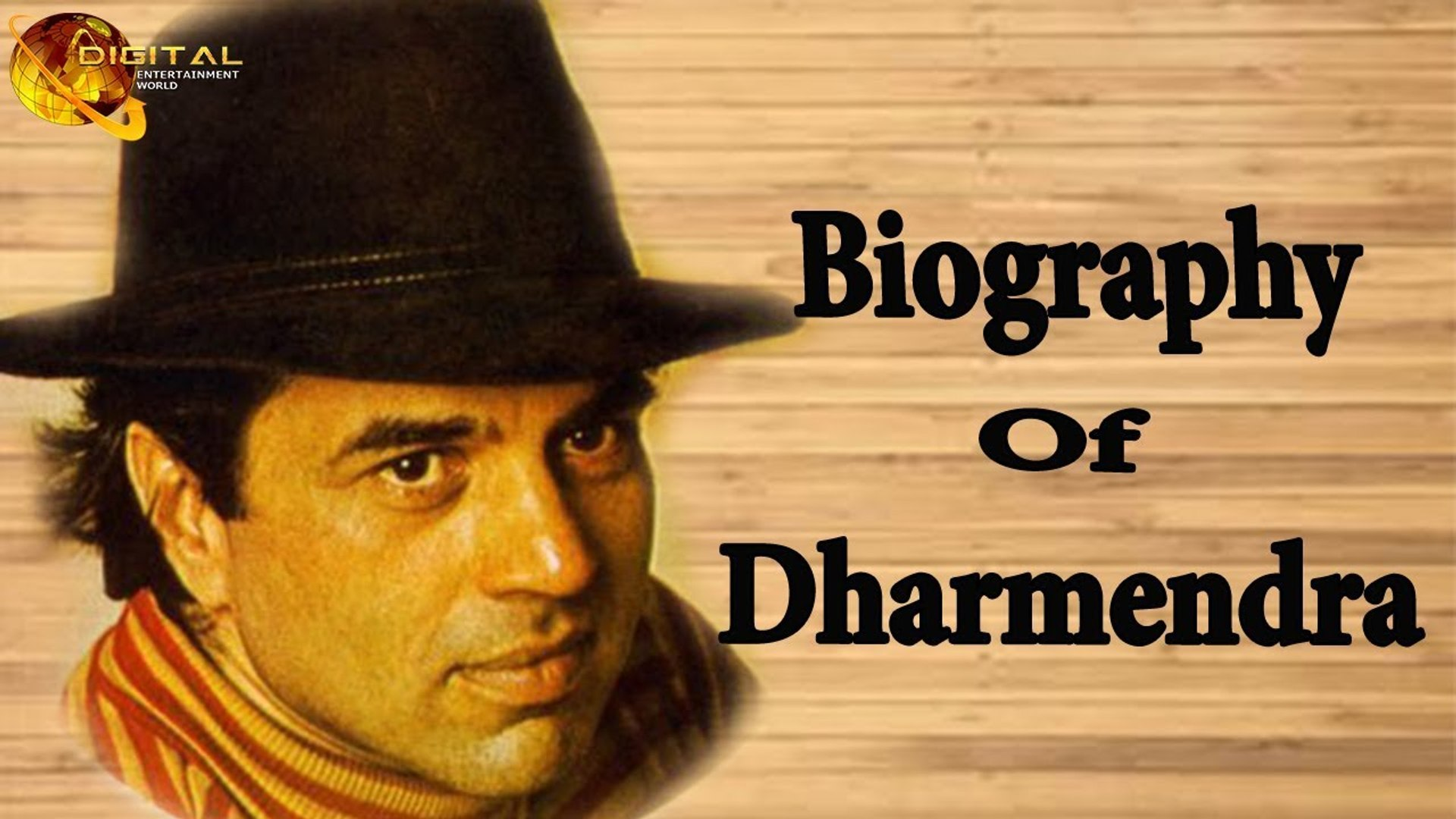

Dharmendra, born Dharam Singh Deol, was one of the most enduring stars in the history of Indian cinema. Known affectionately as the “He-Man of Bollywood,” he built a remarkable career that lasted more than six decades. His natural charm, powerful screen presence and ability to move comfortably between romance, comedy, drama and action made him a favourite among generations of Hindi-film audiences.
From his debut in Dil Bhi Tera Hum Bhi Tere in 1960 to his later appearances in character roles, Dharmendra remained an important figure in the Hindi film industry. His career included more than 300 films and several iconic performances that continue to be remembered today.
Early Life and Background
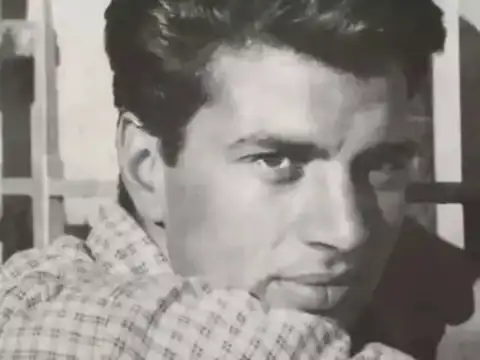
Dharmendra was born on 8 December 1935 in Nasrali village in Punjab’s Ludhiana district, then part of British India. He grew up in a Punjabi family and was the son of Kewal Krishan Singh Deol, a school headmaster, and Satwant Kaur.
He completed his schooling in the Ludhiana region and later studied at Ramgarhia College in Phagwara. Even though he did not come from a film background, he was always fascinated by films from an early age. With a dream of becoming an actor, he was someday motivated by the actors he saw on the screen and finally went to Mumbai in his quest to become an actor.
The Beginning of a Memorable Film Journey
Dharmendra entered the industry after winning a Filmfare talent contest; this was when he officially began his acting career with the movie Dil Bhi Tera Hum Bhi Tere in 1960. Although not all his early films were commercially successful, his name began to gain recognition through his movies such as Shola Aur Shabnam, Anpadh, and Bandini.
It was during the 1960s when his career took off when movies like Ayee Milan Ki Bela, Haqeeqat, Phool Aur Patthar established him as an actor to build upon. His portrayal in Phool Aur Patthar created an image of him as an action hero.
The Emergence of a Celebrity
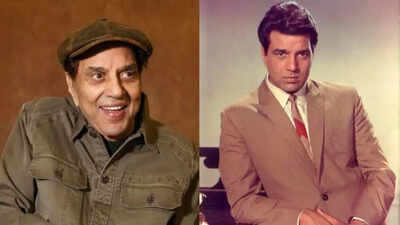
The 1970s was one of the golden decades in Dharmendra’s career when he made several hit movies like Mera Gaon Mera Desh, Seeta Aur Geeta, Raja Jani, Jugnu, and Yaadon Ki Baaraat.
His performance as Veeru in Sholay (1975) was marked by unforgettable performances in his career. With chemistry with Amitabh Bachchan and his ability in comedy, the film became a milestone in the history of Indian cinema. Around that time, Dharmendra had demonstrated his talents in sophisticated comedy in Chupke Chupke.
Versatility in the Use of Other Genres
Even though he was still recognized as an action star, Dharmendra showcased his great versatility in films such as Satyakam, Anupama, and Chupke Chupke, which show how capable he was in playing sensitive and complicated characters.
In the 1980s, the actor continued his path through successful films while making a shift from love stories to adult characters in films such as Pyaar Kiya To Darna Kya, Life in a… Metro and Apne.
Producers and Politicians
Dharmendra also turned into a producer through his company called Vijayta Films. He produced Betaab, which introduced his son Sunny Deol, and later backed Ghayal, another major success.
His public career extended beyond cinema. In 2004, he entered politics as a Bharatiya Janata Party candidate and represented Bikaner, Rajasthan, in the Lok Sabha until 2009.
Awards and Lasting Legacy
Dharmendra received numerous honours during his career, including the Filmfare Lifetime Achievement Award in 1997 and the Padma Bhushan in 2012. As a producer, Ghayal also earned a National Film Award.
Dharmendra passed away on 24 November 2025 at the age of 89, bringing an end to the life of one of Hindi cinema’s most recognisable personalities. His legacy survives through his memorable characters, celebrated films and the influence he had on subsequent generations of performers. More than his star status, however, Dharmendra is remembered for the warmth, humility and enduring connection he maintained with his audience.
About the Author