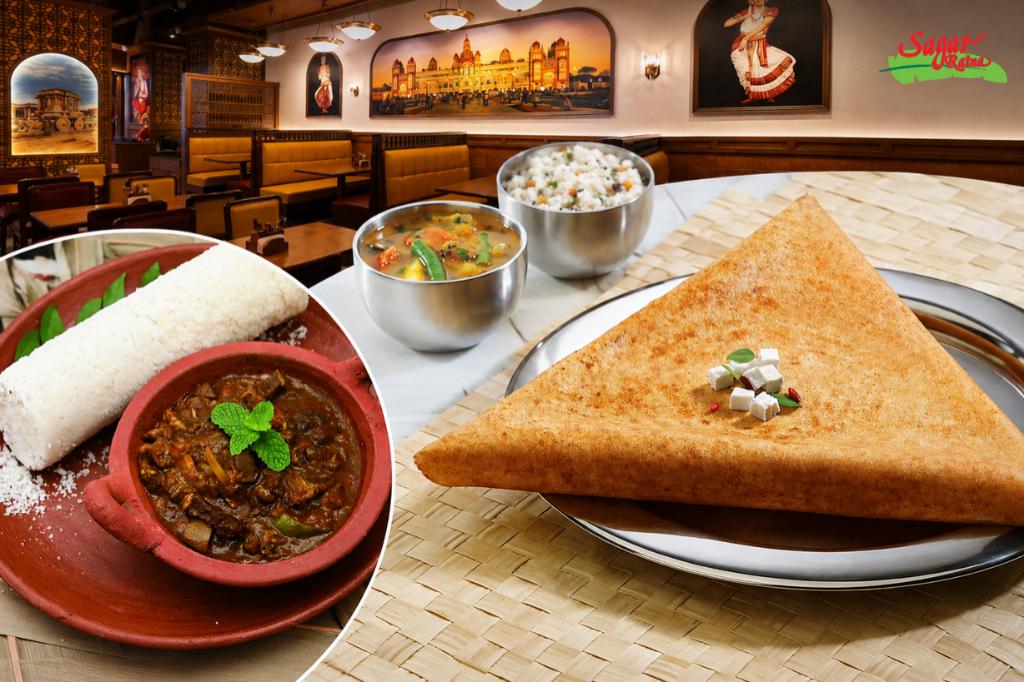

In India, breakfast is never just breakfast. It changes with the state, the season, the crops grown in the area and even the pace of daily life.
That is why one part of the country begins the day with parathas, another with poha, while in the south one might have idli, dosa, pongal or puttu. This rich breakfast tradition also explains the success of Sagar Ratna, a popular South Indian restaurant in Delhi, which has introduced regional morning favourites to diners far beyond their home states.
Local Ingredients Shape What People Eat in the Morning
Most regional breakfasts started from a simple idea: use what’s grown nearby. Before supermarkets made ingredients available everywhere, families relied much more on local grains, pulses, vegetables and dairy.
There were clear regional patterns:
- Wheat was a staple in Punjab and northern India, and this led to the origin of parathas, kulchas and other flatbreads.
- Maharashtra and Madhya Pradesh made good use of the flattened rice, giving poha a place of importance for breakfast.
- Gujarat prepared different food items from gram flour, like dhokla and fafda.
- Many meals in the South were based on rice, lentils, coconut and fermented batters.
- Assam and other eastern regions used rice in several forms, including flattened rice, steamed preparations and pitha.
So, every breakfast tradition began with the ingredients people of India could access easily in their respective regions.
Climate Also Influenced the Breakfast Plate
It’s hard to imagine food customs being shaped independently of climatic conditions.
The steaming and fermentation of foods occurred in warm and humid places in India, mainly on the coast, where rice, coconut and lentils could make foods tasty without being overly filling.
That’s why dishes such as idli, appam and puttu found popularity in southern parts of India.
A healthy South Indian breakfast may include:
- steamed idli with sambar
- dosa served with chutney
- pongal made with rice and lentils
- Puttu with kadala curry
- pesarattu made from green gram
These dishes might appear together on a modern menu, but they come from different regional habits.
In the colder northern areas, breakfast became heavier. Wheat breads, dairy, potatoes and pulses provided warmth and helped people feel fuller for longer.
Daily Work Patterns Played a Big Role
The traditional breakfast was practical. People needed food to match the work ahead. Someone who worked in a field, a market or a workshop needed a meal that would see them through a couple of hours.
That helps explain the filling, substantial nature of some breakfast dishes.
Here are some familiar examples:
- Aloo paratha is a hearty meal of wheat and potato rolled into one.
- Poha cooks quickly and is good for busy mornings.
- Pesarattu is a tasty savoury pancake made from green gram.
- Pongal is a soft, comforting rice and lentil dish.
- Dahi-chura is a simple dish of flattened rice and curd.
Usually the best regional foods survived because they were more than delicious. They were practical, too.
Culture Turned Everyday Food into Tradition
A dish becomes part of a breakfast tradition when people keep making it for years, and often for generations.
That is where festivals, family habits and community customs come in.
- In Assam, rice-based foods such as jolpan and pitha have strong cultural importance, especially around Bihu.
- In Bihar, dahi-chura is closely linked with Makar Sankranti.
- In Gujarat, fafda and jalebi have become a well-known morning pairing, particularly on festive or relaxed mornings.
These foods are remembered because they are more than about hunger. They remind us of home, of celebrations, of family gatherings, of childhood routines.
That emotional connection is one of the reasons regional breakfasts still have a following as eating habits change.
Same Ingredient, Different Taste Across States
India’s breakfast diversity becomes even more interesting as the same ingredient makes its journey from one state to another. Rice is a good example here.
- In Tamil Nadu, rice and lentils are fermented to make idli and dosa.
- In Kerala, it can be puttu or idiyappam with rice flour.
- In Karnataka, rice is used in different forms to make dosas and idlis.
- In Andhra Pradesh and Telangana, green gram is the star of pesarattu, a completely different kind of breakfast pancake.
This is why you cannot treat South Indian food as one cuisine.
An authentic South Indian restaurant in Delhi could serve dishes that came from several different states in the South. Idli, dosa, pongal and upma might be on the same menu, but they don’t have the same regional story.
Popularity of South Indian Breakfast Tradition
A few of the regional breakfasts travelled further than others. Now, especially, idli and dosa are eaten all across India. Their simple flavours, vegetarian appeal and easy pairing with sambar and chutney took them far beyond the south.
If you’re looking for a filling but not too heavy meal to kick off your day, a healthy South Indian breakfast is also a good option.
This broader popularity has also prompted diners to step out of the idli-dosa combination.
A good South Indian restaurant can give people an introduction to dishes like pongal, pesarattu, appam, upma, different varieties of idli, and regional chutneys.
Similarly, a South Indian restaurant in Delhi can give diners a small introduction to food traditions that developed hundreds of kilometres away.
Regional Breakfasts Are Still Changing
Traditional food is not stuck in time. People today often mix regional and modern habits. On Monday someone may eat cereals, on Tuesday poha, and on Sunday dosa.
Thanks to restaurants, migration, and city life, regional dishes are easier to find outside their home states. But the roots are still there.
A paratha still stands for the wheat culture of the north. Puttu still symbolises the strong relationship that Kerala has with rice and coconut. Poha is a traditional breakfast dish in western and central India. Idli and dosa still demonstrate the importance of fermentation in southern cooking. That is what keeps each breakfast tradition distinct, even when the dishes travel.
Breakfast as a Reflection of Regional India
The diversity of breakfast tradition in India evolved naturally from local crops, climate, work habits and family customs. Such meals over the years became part of the regional identity.
That’s why breakfast changes so noticeably from one state to another. And exploring those differences, whether it’s through home cooking or heading to a South Indian restaurant, is also a simple way to appreciate how deeply food is tied to the people and places it comes from.
About the Author