Know About the Health Benefits of Sweet Corn in 2026
I’ll be honest — for years I thought of corn as just a side dish you slather in butter and forget about. Turns out I was underselling it. Once I actually looked into what’s packed inside those little yellow kernels, I stopped seeing corn as filler and started seeing it as one of those foods that quietly does a lot of good without asking for credit.
Why It’s Sweeter Than Regular Corn
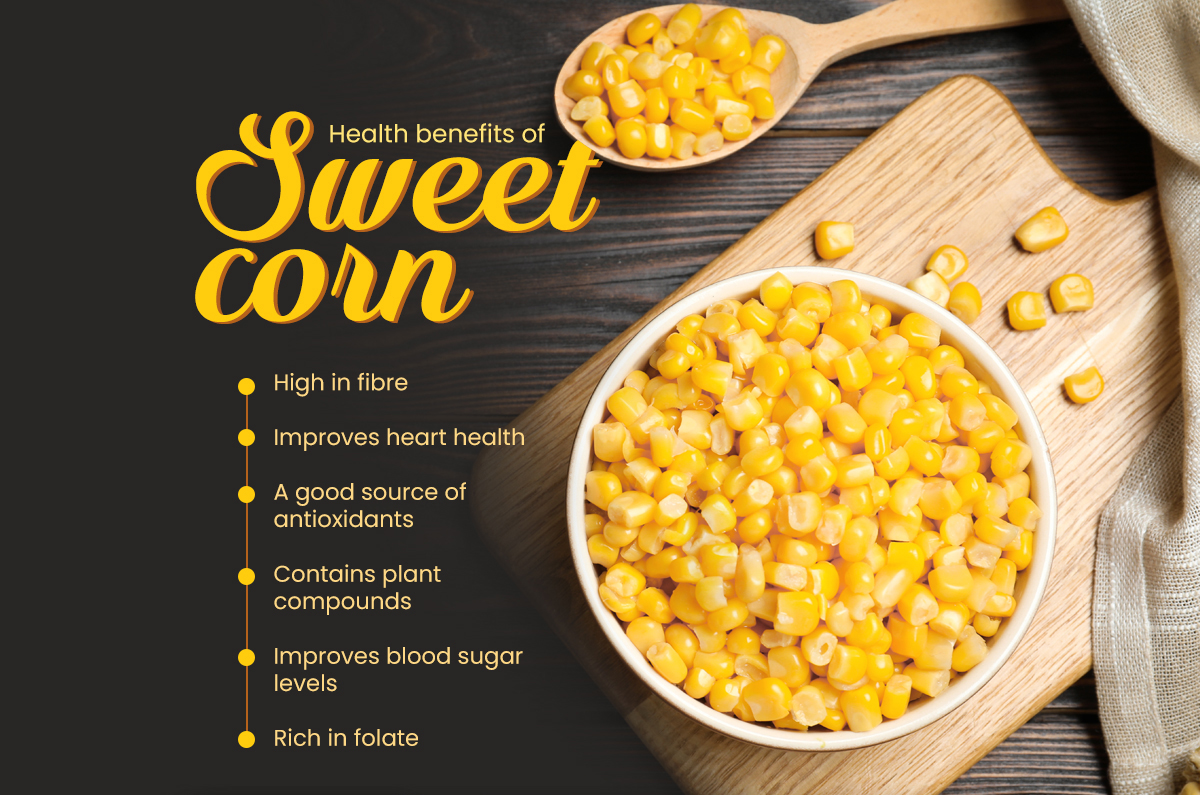
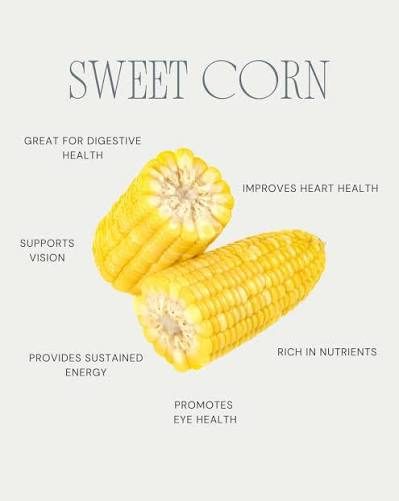
Here’s the thing most people don’t realize: sweet corn isn’t a separate crop grown for flavor gimmicks. It’s simply harvested earlier, while the kernels are still young and full of natural sugar, instead of being left to mature and dry out like field corn used to for cattle feed or cornmeal. That early pick is the whole reason it tastes so good straight off the cob. And because of that timing, it also holds onto a decent nutritional punch — fiber, vitamin C, a handful of B vitamins, magnesium, potassium, and a couple of antioxidants called lutein and zeaxanthin that you’ve probably heard mentioned alongside spinach and kale.
What It Actually Does for Your Body
Digestion is probably the most obvious one. The fiber content helps keep your gut moving and can even take some of the edge off blood sugar spikes, since it slows down how quickly sugar gets absorbed. If you’ve ever felt sluggish after a carb-heavy meal, corn’s fiber is doing you a favor most people never think about.
Then there’s the eye health angle, which honestly surprised me. Lutein and zeaxanthin aren’t just buzzwords — they act almost like internal sunglasses, filtering out some of the damage UV light does over the years and lowering the odds of things like cataracts down the line.
Your immune system gets something out of it too. Between the vitamin C and vitamin A, corn helps your body produce the white blood cells that fight off whatever you’re exposed to, while also keeping skin and mucous membranes — your first physical barrier against germs — in decent shape.
It’s not a heart-health superfood by any stretch, but the potassium helps balance out sodium and ease pressure on your blood vessels, and the fiber can nudge cholesterol numbers in the right direction over time. Small contributions, but they add up.
There’s also a skin and energy side to this. Vitamin C plays a role in collagen production, so skin stays firmer for longer, and the complex carbs give you a steadier form of energy instead of the crash-and-burn you get from refined sugar. And for bones and nerves, magnesium, phosphorus, and a trio of B vitamins (thiamine, niacin, folate) quietly support everything from bone density to memory and focus.
But Don’t Overdo It
Corn isn’t perfect, and it’s worth being realistic about that. Eat too much and the fiber can leave you bloated or gassy. Some people are genuinely allergic and should avoid it altogether. It also has phytic acid, which can get in the way of your body absorbing iron and zinc properly, and if you’re watching your blood sugar, portion size matters since corn does raise it more than, say, broccoli would. None of this makes corn a bad choice — it just means treating it like any other food: enjoy it, don’t overdo it.
Bottom Line
Sweet corn isn’t going to replace your multivitamin, but it earns its spot on the plate. It helps digestion, protects your eyes, supports your immune system, and gives your heart and bones a bit of quiet backup — all while being cheap, easy to cook, and genuinely enjoyable to eat. Heading into 2026, with so many people chasing complicated diets and expensive supplements, it’s kind of refreshing that something this simple still holds up.
About the Author