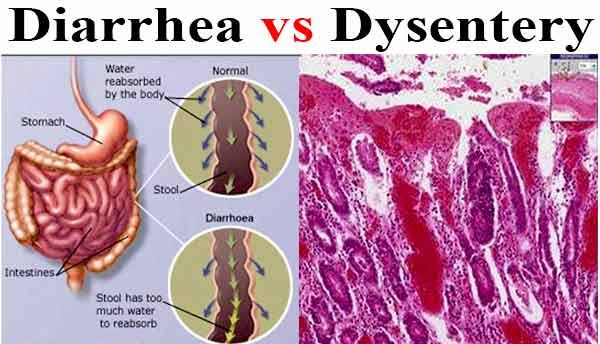

Diarrhoea and dysentery are digestive conditions that can cause frequent and abnormal bowel movements. Because their symptoms can overlap, it is sometimes difficult to tell them apart. However, an important difference is that dysentery typically involves blood and sometimes mucus in the stool, whereas ordinary diarrhoea generally involves loose or watery stools without visible blood.
Also Read:Praful Hinge Bio Age, Height, Career, Family, In 2026
Understanding the difference can help people recognise when medical evaluation may be necessary.
What Is Diarrhoea?
Diarrhoea refers to passing loose or watery stools three or more times a day or more frequently than is normal for an individual. It can be caused by viral or bacterial infections, contaminated food or water, certain medications, food intolerances and other digestive conditions.
Common symptoms may include:
- Loose or watery stools
- Abdominal cramps
- Bloating
- Nausea
- An increased urge to use the toilet
- Dehydration
Most short-term cases improve within a few days, particularly when the person maintains adequate fluid intake.
What Is Dysentery?
Dysentery is a form of intestinal inflammation associated with frequent diarrhoea containing blood, and sometimes mucus. It can result from infections caused by certain bacteria or parasites.
People with dysentery may experience:
- Bloody or mucus-containing stools
- Abdominal cramps and pain
- Frequent urges to pass stool
- Fever
- Weakness
- Nausea or vomiting
- Painful bowel movements
Because dysentery can sometimes lead to significant fluid loss or other complications, medical assessment may be important.
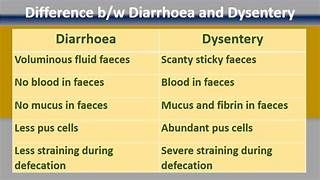
Key Differences Between Diarrhoea and Dysentery
| Feature | Diarrhoea | Dysentery |
|---|---|---|
| Stool | Usually loose or watery | Often contains blood and/or mucus |
| Intestinal inflammation | May or may not be present | Typically involves inflammation |
| Abdominal cramps | Common | Often more pronounced |
| Fever | May occur | Can occur, particularly with infection |
| Urge to pass stool | Increased | Can be frequent and urgent |
| Common causes | Infections, food intolerance, medicines and other conditions | Certain bacterial or parasitic infections |
| Medical attention | Depends on severity and duration | More likely to require medical evaluation |
Why Dehydration Is a Concern
Both diarrhoea and dysentery can cause the body to lose water and electrolytes. Young children, older adults and people with other health conditions can become dehydrated more quickly.
Signs of dehydration can include excessive thirst, dry mouth, reduced urination, dizziness, unusual tiredness and weakness. Oral rehydration solutions can help replace lost fluids and electrolytes in many cases.
When to Seek Medical Help
Medical advice should be sought if diarrhoea is severe, persistent or accompanied by blood in the stool, high fever, severe abdominal pain, repeated vomiting or signs of dehydration.
Blood in the stool should not simply be assumed to be ordinary diarrhoea. A healthcare professional can determine the likely cause and decide whether testing or specific treatment is necessary.
Antibiotics should not be taken without medical advice because treatment depends on the underlying cause, and some cases of diarrhoea do not require antibiotics.
Prevention
Many infectious causes of diarrhoea and dysentery can be reduced through good hygiene. Washing hands thoroughly with soap, drinking safe water, eating properly cooked food and maintaining clean food-preparation surfaces can help lower the risk of intestinal infections.
Also Read: Faiz Baloch Bio Age, Height, Career, Family, In 2026
Conclusion
The main distinction between diarrhoea and dysentery is the nature of the stool and the degree of intestinal inflammation. Diarrhoea usually produces loose or watery stools, while dysentery is characterised by diarrhoea with blood and/or mucus.
Because bloody stools, severe pain, fever or dehydration can indicate a more serious infection, people experiencing these symptoms should seek appropriate medical advice rather than attempting to diagnose or treat the condition themselves.
About the Author