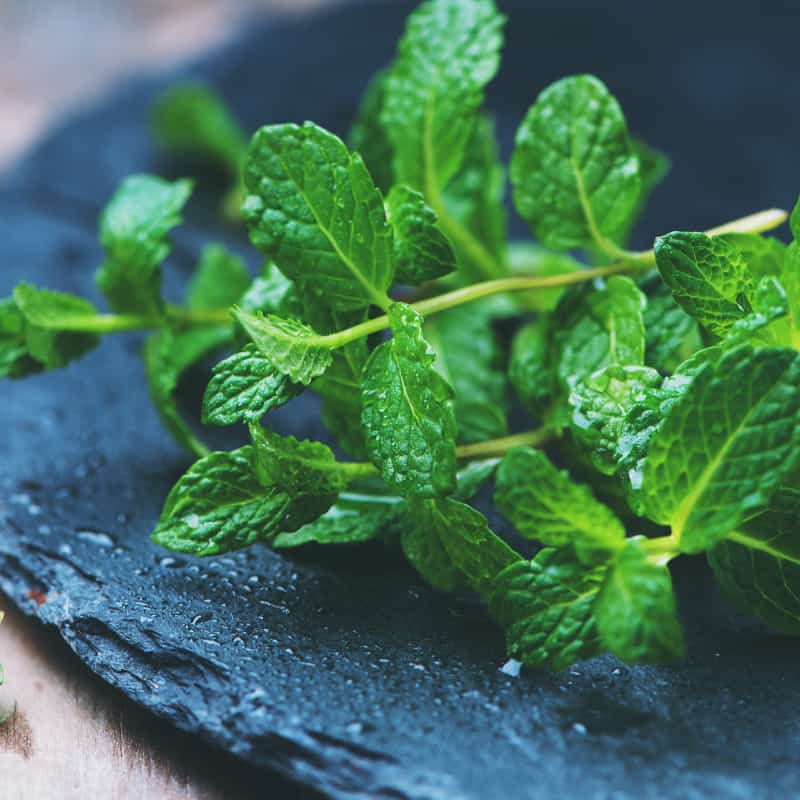

Mint leaves, which are very popular for their aroma and have a refreshingly cool taste and versatility, are used in chutneys, salads, beverages, curries and herbal preparations. They improve the flavour of the dishes to which they are added. Also, mint contains elements of plant compounds and some vitamins and minerals, which in turn add to a well-rounded diet. Also, different types of mint like peppermint and spearmint may have varying nutritional and chemical makeups.
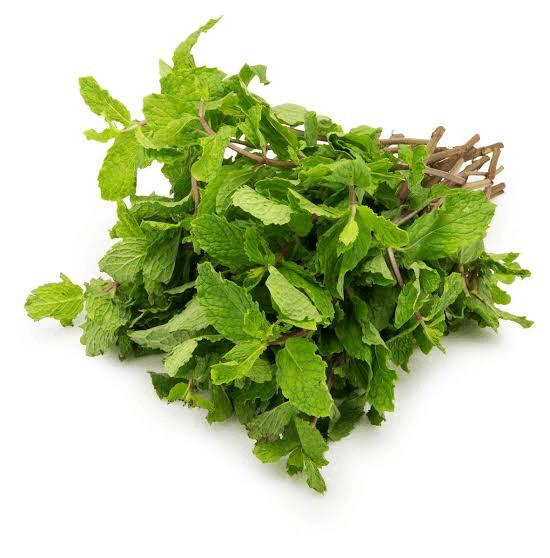
Overview of Mint Leaves
Mint is a member of the Mentha genus, which is a part of the Lamiaceae family. For years, it has played an important role in many cultures for culinary and health uses. You will find mint leaves in dishes, in drinks which have had the leaves infused in them, or as a flavouring agent.
Mint has natural chemicals in it like menthol and various polyphenols. That said, we should also distinguish between the use of green mint leaves and concentrated peppermint oil. While research has been done on the oil’s effects on certain digestive issues, for health condition treatment which includes the use of mint leaves, we have little specific evidence.
Top 10 Health Benefits of Mint Leaf
Support your digestive health.
Mint has been used to treat digestive issues for years. It’s a refreshing option which may make mint tea or fresh leaves a good addition to your meal. That said, we have stronger evidence for the relief of digestive symptoms in relation to certain peppermint oil preparations as opposed to regular mint leaves.
Provides Antioxidant Elements.
Mint is a source of many plant compounds which are antioxidant in nature. These antioxidants play a role in protecting cells from oxidative stress and also improve the quality of diet.
Adds flavour without many calories.
Fresh mint adds a great flavour and aroma to food with very few calories. Also, by using herbs like mint, we may enjoy our meals more, which in turn may reduce the use of too much salt or sugar.
May improve breath freshness.
The scent of mint, which is very much present in mint, does cool down the senses, and we see it in a lot of oral care products like toothpaste and mouthwash. Also, fresh mint that is right out puts out a very temporary feeling of freshness.
Can water up.
Mint leaves go into water, lemon water or unsweetened drinks to improve taste. This may make plain water more of a pleasure to drink and in turn promote regular fluid intake.
Provides traces of micronutrients.
Although in small doses, fresh mint leaves contain some vitamins, minerals and plant compounds. The nutrient value varies according to the amount consumed.
May relieve nausea.
Peppermint is a studied remedy for nausea in some settings, including medical treatment. Also, we see that the greater part of the research is on peppermint oil or aromatherapy, which in turn does not include the use of fresh mint leaves.
Supports a wide range of foods.
Adding new herbs like mint to your daily menu can change up your diet. Mint does well in salads, chutneys, soups, rice dishes, beverages and other dishes.
Improves Digestive Health.
Mint has a history of being used for digestive issues. Although research into peppermint oil reports some short-term benefits for certain IBS symptoms, that does not mean to say this research applies to all forms of mint.
Brings a New Dimension to Meals.
Mint’s fragrant flavour and refreshingly cool taste are what make it pair so well with both sweet and savoury dishes. It is also an easy herb to include in a healthy diet.
Importance of Mint Leaves
Mint is a staple in terms of culinary and health uses. It goes in chutneys, salads, beverages, sauces and cooked dishes, fresh or dried. Also, it’s in toothpaste, chewing gum and other health care products which we use for oral care due to its essential oils.
Key Facts About Mint Leaves
Plant genus: Mentha
Plant family: Lamiaceae
Common varieties: Peppermint and spearmint
Main characteristic: Refreshing aroma and flavour
Common uses: food, beverages, chutneys and herbal preparations.
In many species of mint, menthol is also present.
Possible Side Effects of Mint Leaves
Mint at usual food levels is okay for most people. But concentrated mint products may bring out side effects like heartburn, nausea, stomach pain or dry mouth in some. Also, mint may aggravate reflux in some individuals.
People who are taking herbs or medications should see a health care professional because we see some interactions between them. Also, we don’t have as much research on large doses of mint as we do for regular food use.
Conclusion
Mint is a simple yet very versatile herb which brings flavour, aroma and health components to your everyday food. You can put it in many dishes and beverages, which in turn contributes to a diverse and balanced diet. While mint has a long history in traditional use, what we have in terms of scientific proof for its specific medical benefits is limited. We do see some research that reports short-term relief with the use of peppermint oil for certain digestive issues, but it is fair to say that this research does not extend to all mint products.
FAQ’s on Health Benefits of Mint Leaves.
Are mint leaves good for digestion?
Mint has been used for digestive issues in the past. While that is true, we have more clinical proof for certain peppermint oil products as opposed to fresh mint leaves.
Can you consume mint leaves daily?
Fresh mint in normal doses is for the most part considered safe for most people.
Can mint help with nausea?
Some studies report that peppermint helps with nausea in some cases, but what we see is that many of those studies use peppermint oil as the active ingredient instead of fresh mint leaves.
Do mint leaves help with weight loss?
Mint is not a weight loss solution. At the same time, fresh mint is low in calories, and it also enhances the taste of healthy meals and drinks.
Who should be cautious with peppermint?
People who have acid reflux or heartburn may find that peppermint makes symptoms worse. Also, if you are using concentrated peppermint products, we recommend that you seek professional advice.
Disclaimer: This article is for general use as an educational tool only and does not substitute professional medical advice, diagnosis or treatment. Also, if you have an existing medical condition, allergy or specific dietary needs, you should speak to a qualified health care provider before using herbs for therapeutic purposes.
About the Author