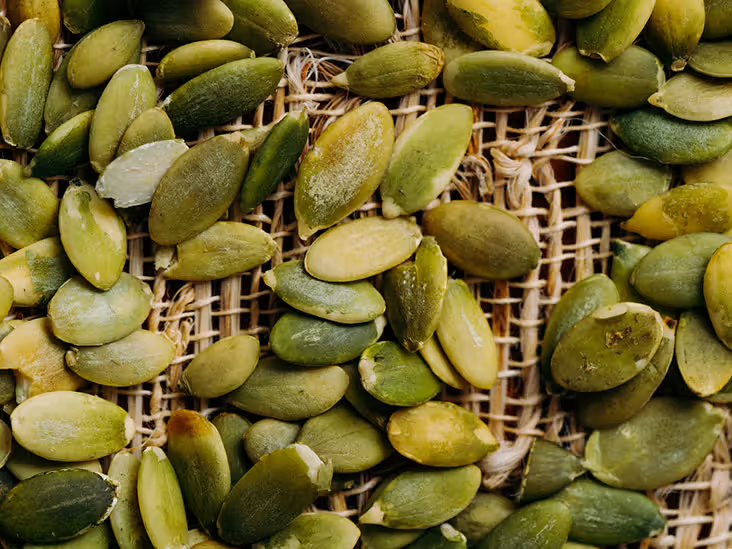

Pumpkin seeds are nutritious and provide protein, healthy fats, magnesium, zinc and fiber. However, eating large amounts or consuming them in certain forms may cause some unwanted effects.
1. Digestive Discomfort
Eating too many pumpkin seeds can cause bloating, gas, abdominal discomfort or loose stools because they contain a significant amount of fiber and fat.
2. May Cause Constipation in Some People
Although pumpkin seeds contain fiber, eating them without drinking enough water may contribute to digestive discomfort or constipation, particularly when fiber intake is suddenly increased.
3. High in Calories
Pumpkin seeds are nutrient-dense but also calorie-dense. Regularly eating large portions can contribute significant calories to the diet.
4. Excessive Sodium From Salted Seeds
Salted or flavored pumpkin seeds can contain considerable amounts of sodium. Frequent consumption of highly salted varieties may increase overall sodium intake.
5. Allergic Reactions
Some people can be allergic to pumpkin seeds. Symptoms may include itching, rash, swelling, stomach problems or, rarely, difficulty breathing. Anyone experiencing severe symptoms should seek emergency medical attention.
6. Possible Risk From Contamination
Raw or improperly stored seeds can become contaminated with microorganisms or develop rancidity. Store pumpkin seeds in a cool, dry place and discard them if they develop an unusual smell, taste or appearance.
7. May Interact With Certain Dietary Restrictions
Pumpkin seeds contain minerals such as potassium and phosphorus. People who have been medically advised to restrict these minerals may need to control their intake.
8. Too Many Can Cause Weight Gain
Because pumpkin seeds are rich in fats and calories, eating large quantities every day can make it easier to exceed your calorie needs.
How Much Pumpkin Seed Is Appropriate?
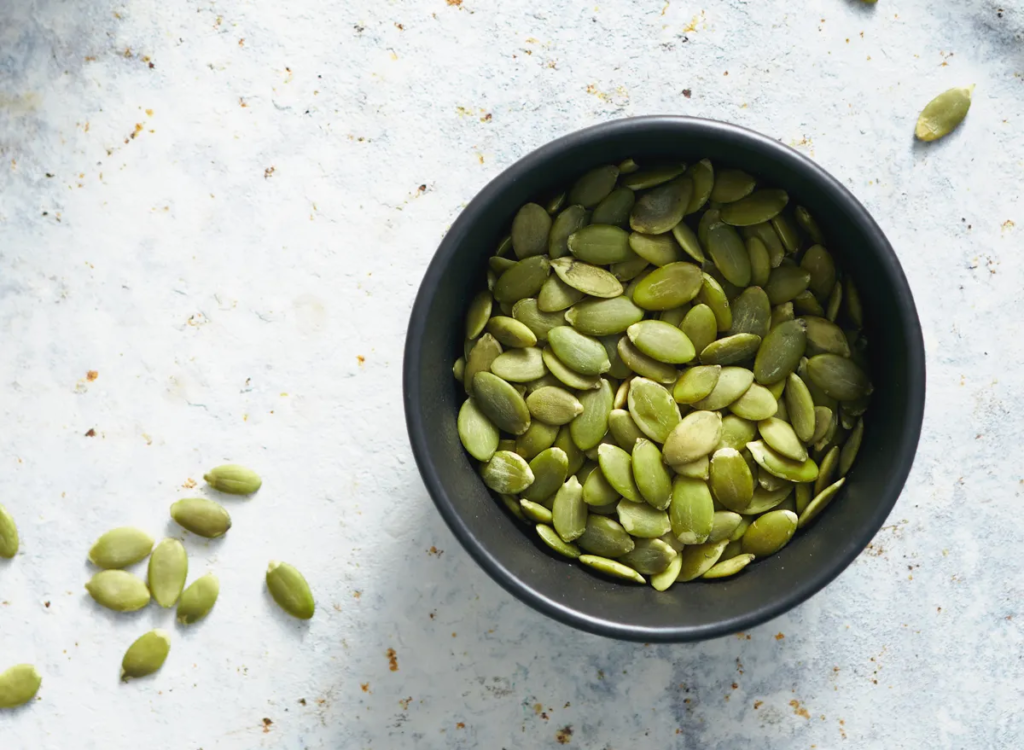
For most healthy adults, around 20–30 grams (roughly 2–3 tablespoons) per day is a reasonable serving. Individual needs can vary depending on the overall diet.
Choose unsalted, minimally processed pumpkin seeds and include them as part of a balanced diet.
Bottom Line
Pumpkin seeds can be a healthy addition to the diet when eaten in moderation. The most common problems come from eating excessive amounts, choosing heavily salted varieties, or consuming poorly stored seeds. Portion control is particularly important because pumpkin seeds are high in calories and fat.
Also read: https://amzn.to/4wpxv1h
About the Author