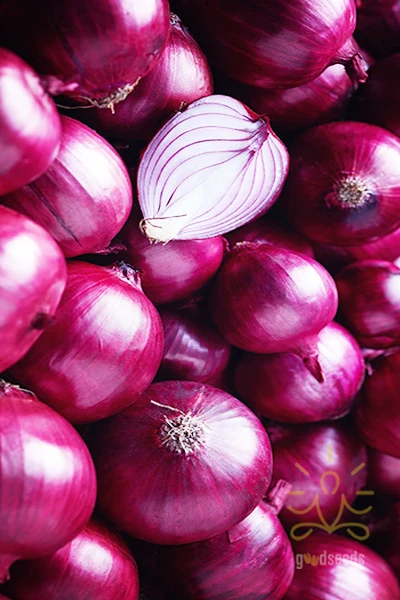

Onion is a very common vegetable in homes all over the world. It goes into curries, salads, soups, sandwiches, sauces, and many traditional dishes. While we mostly use onions for the flavor and smell they add to food, they also contain several nutrients and plant compounds that, in turn, support health. In 2026 as more people are turning to easy and natural methods to improve what they put in their body, onions are a health topic of discussion.
Rich Source of Antioxidants
In the case of onions, one of their key features is their antioxidant content. Antioxidants protect the cells of the body from oxidative stress that is brought about by free radicals. Onions have plant compounds like quercetin and sulfur-containing compounds. Also under study is the role these substances play in protecting cells and supporting normal body functions.
Red and in some cases purple onions may have varying levels of these compounds which may also differ by variety. In the case of red and purple onions we see anthocyanins which are natural pigments also known for their high antioxidant value.
May Support Heart Health
Including in your balanced diet some onions may also do great for your heart health. We see that certain compounds in onions may maintain healthy blood vessels and support normal blood pressure. Also, their antioxidant properties may put out free radical damage.
However, by itself, eating onions does not prevent heart disease. Also important for a healthy heart is regular exercise, getting enough sleep, staying away from tobacco, and eating a balanced diet.
Supports Healthy Digestion
Onions have dietary fiber and prebiotic compounds in them that support the digestive system. Prebiotics act as food for the good bacteria in the gut. A healthy gut microflora is key to good digestion and also may play a role in normal immune function.
People who react to certain fermentable carbs may have bloating and gas after eating onions. Also the amount that goes well for each person may vary.
May improve blood sugar levels.
Onions have few calories and also contain useful plant compounds, which in turn makes them a good addition to a balanced diet. Also, research has looked at what these onion compounds do in relation to glucose metabolism and insulin function.
Still, don’t consider onions a cure for diabetes. People with diabetes should follow what is put forward by your health care team including diet advice which may include the use of vegetables like onions as part of a healthy eating plan.
Provides Important Nutrients
Although not large sources of protein or calories, onions do supply a range of important nutrients. They are a good source of vitamin C, vitamin B6, folate, and potassium and also supply other trace minerals. Also, they contain water and a little fiber.
Adding in onions to your meals is a simple way to increase the variety of plant based foods you eat without at the same time increasing your calorie intake.
May Support Immunity
Vitamin C is a component of healthy immune system function which we also see in onions which have some of this vitamin. Also, the many phytonutrients in these plants play a role in the health benefits that are reported with a diet of lots of fruits and veggies.
A healthy immune system is a result of many things, which in turn include proper nutrition, regular exercise, adequate sleep, and good hygiene. We do not have any food which provides full protection against infections.
May Support Bone Health
Some studies have looked at the issue of what eating onions does for bone health. We see that certain compounds in onions may play a role in bone related processes. But we still need more research before we can put forth definitive statements on what impact, if any, the compounds found in large amounts in onions have on human bone strength.
For healthful bones, which is also true of calcium and vitamin D, as well as weight-bearing exercise, are also important.
Raw or Cooked Onion: What’s Best?
Onions’ nutritional value may change according to how they are prepared. Raw onions preserve many heat-sensitive elements, but cooking may in some cases improve onions’ digestibility and also make certain plant compounds available.
There isn’t a single best way to eat onions. You can add them raw to salads and sandwiches and also cook them in soups, veggies, curries and other dishes. What is most important is that you include them in your diet in a variety of ways.
Final Thoughts
Onions are a health-conscious person’s go-to ingredient. They pack in antioxidants, fiber, vitamins, minerals and also other health promoting plant compounds which in turn support heart health, digestion, immunity and in large part general well being. Also, because of their low price and what they do in the kitchen, they are a very easy food to work into your daily meals.
At that time, we should also think of onions as a component of a healthy lifestyle, which in no way is a cure-all. A varied diet which includes vegetables, fruits, whole grains, legumes, nuts and other healthful foods puts forth greater results. In 2026 the lowly onion still is a basic, practical, and healthful element in a balanced diet.
About the Author