

Ajinomoto is just another word for monosodium glutamate, or MSG—the stuff that gives food that deep, savory pop known as umami. You’ll spot it in loads of Asian dishes, instant noodles, soups, sauces, snacks, and pretty much anything processed. For almost everyone, MSG is totally fine in normal amounts. But a handful of people do say they feel off if they go overboard.
Headaches, or a weird pressure in the head, come up a lot when people talk about MSG. Some swear they notice this after eating a bunch of MSG-heavy foods. But honestly, it’s all over the map—what bothers one person might do nothing to someone else, and it’s almost always after eating a lot.
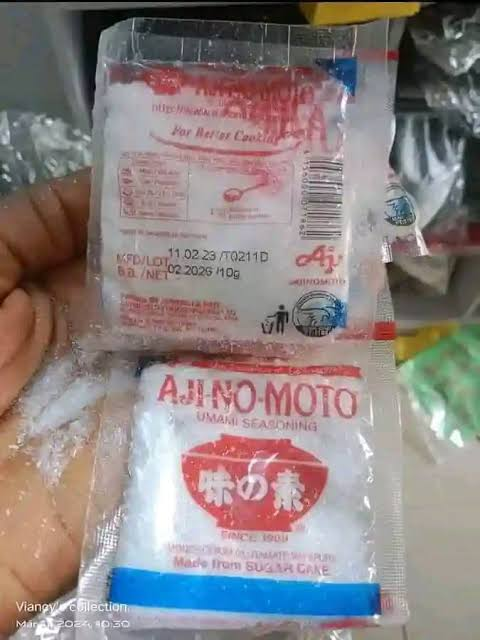
Another thing people notice: thirst. That’s because MSG contains sodium, and too much sodium makes you crave water. If you eat a lot of salty or processed stuff, pay attention not just to MSG, but to how much sodium you’re actually getting overall.
Sometimes, folks get flushed, feel warm, start sweating, or their heart races—especially if they eat a big dose of MSG on an empty stomach. People call this the “MSG symptom complex,” but not everyone is affected, and again, it’s usually linked to eating large amounts.
Some people also get a bit of digestive trouble—feeling nauseated, bloated, or just uncomfortable. This can happen, especially if you’re eating MSG along with all the other additives in processed foods. Sometimes it’s hard to tell if it’s the MSG or just everything else in the mix.
The main thing to remember: MSG isn’t some villain ingredient. The FDA calls it “generally recognized as safe.” Really, the bigger concern is the kind of foods MSG shows up in—they’re often high in sodium, calories, or unhealthy fats. Eating a ton of those isn’t doing anyone any favors.
If you think you react to MSG, try tracking how you feel after eating foods with it, and check labels for monosodium glutamate if you want to steer clear. Choosing fresher, less processed foods makes it easier to find a healthy balance.
In the end, most people can eat MSG without any issues as long as they don’t go overboard. A few might get headaches, feel thirsty, flush, or deal with mild stomach trouble—but that’s usually after a big dose. The best move is to eat a balanced diet and cut back on super-processed stuff. And if certain foods always give you symptoms, talk to your doctor to make sure there’s nothing else going on.
About the Author