
The West Bengal Health Scheme, or WBHS, is the state’s way of looking out for its employees, pensioners, family pensioners, and All India Services officers—plus their families. The Medical Cell in the Finance Department handles everything.
Launched in 2008, the scheme pays for medical treatments and lets you claim money back for your medical expenses. Over the years, the government’s made plenty of changes: who can join, how you get reimbursements, what counts as cashless care, and which hospitals you can use. In 2014, they bundled the WBHS and the separate Cashless Medical Treatment Scheme into a single package, so you get standard benefits along with cashless hospital services.
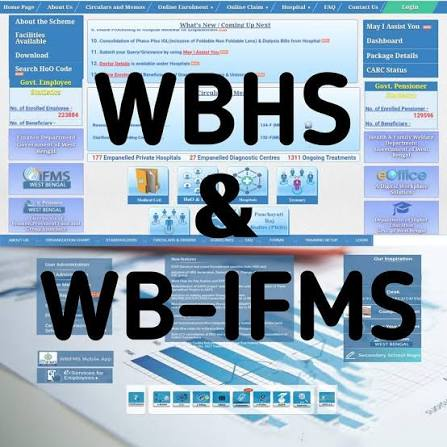
One of the best things? You’re not stuck just using government hospitals. You can pick from private hospitals, nursing homes, clinics, labs, or diagnostic centers—as long as they’re approved under the scheme. The Medical Cell updates the list of eligible places and sets the rates you’ll pay for each treatment.
Signing up isn’t hard. If you’re eligible, just use the WBHS online portal—upload your and your family’s details, photos, signatures, and blood groups, then send it in. After that, the right office reviews your application.
The scheme’s set to run through 2026, and the Finance Department put out a notice in January 2026 looking for a Medical Officer. Clearly, the scheme isn’t slowing down anytime soon.
They keep tweaking the details, too—like raising the cashless treatment cap for private hospitals in 2023 and adjusting reimbursement rules. So, it pays to check the latest government updates. Relying on old info can easily cause headaches.
All in all, the WBHS is still going strong in 2026. If you’re covered, you get help with medical bills, claims, cashless care, and an easy online signup. Rules, hospital lists, and benefit limits do change, so always check the WBHS portal or Finance Department site for the latest news before heading in for treatment.
About the Author