
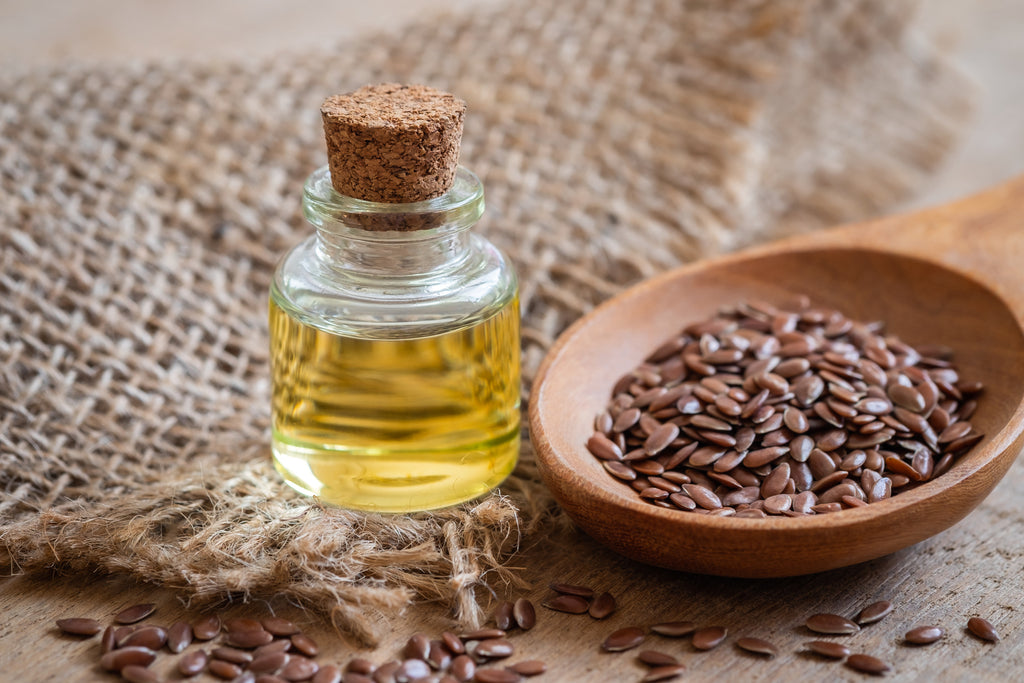
Over the last few years, consumers have become more interested in simple foods that fit a healthy lifestyle. One plant oil that has come under the spotlight is flaxseed oil, which contains alpha-linolenic acid (ALA), an essential omega-3 fatty acid. Flaxseed oil is plant-based, which is beneficial for those on a vegetarian or vegan diet, unlike fish oil.
However, is flaxseed oil a health promoter or a health trend? The answer is more complicated. There are a few important roles that ALA may play in the body, but don’t overestimate flaxseed oil’s benefits.
What Makes Flaxseed Oil Different?
Flaxseed oil is extracted from the seeds of Linum usitatissimum. It has ALA (alpha-linolenic acid) as its primary nutritional characteristic, which is an omega-3 fatty acid found in plants. Important: flaxseed oil contains no EPA or DHA omega-3 fatty acids, which are omega-3s found in fatty fish. ALA can be converted to EPA and DHA within the body, but only to a limited extent.
That’s a fascinating idea, but a certain caution must be taken here; flaxseed oil could be an addition to, not a substitute for, a healthy eating pattern.
1. May Support Heart Health
Cardiovascular health is one of the most talked-about benefits for adding flaxseed products to the diet. ALA is a necessary fatty acid, and a diet rich in healthy unsaturated fats can help maintain healthy hearts.
Some blood lipid measures have also reported improvement when consuming flaxseed. The evidence is different, though, with whole flaxseed, ground flaxseed, the lignans or flaxseed oil. However, the results of the studies directly investigating flaxseed oil have been variable, and it would be unwise to say that flaxseed oil is a sure remedy for lowering cholesterol.
2. Provides Plant-Based Omega-3
Flaxseed oil may be a convenient source of ALA omega-3 for those who don’t eat fish. This is especially important for people who are vegetarian or vegan.
A few drops of this oil in a smoothie, salad or other appropriate cold food are a good way to get a variety of fat into the diet.
3. May Help Maintain a Healthy Inflammatory Balance
Omega-3 fatty acids play multiple roles in inflammatory processes. ALA thus plays a role in normal physiological functions, and as such should be a subject for study by ALA.
While the use of flaxseed oil as an arthritis or chronic inflammatory disease remedy is not substantiated by the existing evidence, this term is acceptable. Individuals with inflammatory diseases should not stop taking their medical treatment to use supplements.
4. Can Complement a Heart-Friendly Diet
Flaxseed oil is mainly composed of unsaturated fats. Switching foods that contain high saturated fat to foods that contain unsaturated fat may be a heart-healthy choice.
The important thing is what the oil substitutes for. Increased amounts of oil in a high-fat diet aren’t the same as replacing less desirable fats.
5. May Be Useful for Skin-Focused Nutrition
Flaxseed oil is often mentioned when talking about skin nutrition since healthy fats are essential for maintaining the skin’s structure and function.
However, it is not well established that drinking flaxseed oil is a sufficient treatment for wrinkles, eczema or any other dramatic change in the skin. Rather than a beauty “cure”, think of it as a food “ingredient!
6. A Convenient Option for Plant-Based Diets
Some individuals may prefer flaxseed oil as a source of essential fats, such as a plant-based option. The mild flavour is okay for use in salad dressings and/or in some foods that don’t need high cooking temperatures.
A practical issue is here: flaxseed oil isn’t a fibre source. Flaxseed oil is high in fat, and whole or ground flaxseed is high in fibre.
7. May Complement Overall Metabolic Health
Research into flaxseed and metabolic markers like blood lipids, glucose related markers. In 2025, a systematic review was conducted in individuals with type 2 diabetes, which revealed a favourable effect of flaxseed supplementation on triglyceride levels and several anthropometric parameters, but no significant effect on other metabolic parameters. Significantly, these results relate to flaxseed supplementation in general and should not be exclusively linked to flaxseed oil.
8. Can be a part of a balanced everyday diet
The most realistic benefit of flaxseed oil is that it may help to diversify the diet more easily. For the Indian household, where oils are being used as a day-to-day cooking staple, the more relevant question would be, “Am I using fat sensibly and incorporating variety in my cooking?”
It’s a more sustainable way of thinking than expecting one ingredient to be the answer to multiple health concerns.
How to Use Flaxseed Oil
Generally, flaxseed oil is not recommended for cooking at high temperatures. Can be added to salad dressings, smoothies or foods after cooking.
Avoid storing it, as the oil can oxidise. Store away from excessive heat and light, and follow the storage guidelines given by the product to help maintain the quality of the product.
Are There Any Side Effects?
High doses can produce digestive effects like bloating, a feeling of fullness or diarrhoea. It’s also possible that there could be concerns about interactions with anticoagulant or antiplatelet medications. However, individuals on a regular medication regimen should consult their health care provider before taking flaxseed oil. Lack of adequate information is also available on its safety for pregnant and lactating women.
The Takeaway
While flaxseed oil isn’t a miracle cure, it’s a valuable plant-based source of ALA omega-3 fatty acids. It could be a good addition to a well-balanced diet due to its potential health benefits for cardiovascular and overall nutrition.
In 2026, the best way to think about flaxseed oil is as a small but important piece of a larger puzzle – “the food pyramid” doesn’t matter, as long as it is used in combination with vegetables, fruits, whole grains, enough protein, proper medical treatment, and exercise. It’s usually consistency, rather than a single “superfood,” that makes a difference in nutrition.
About the Author