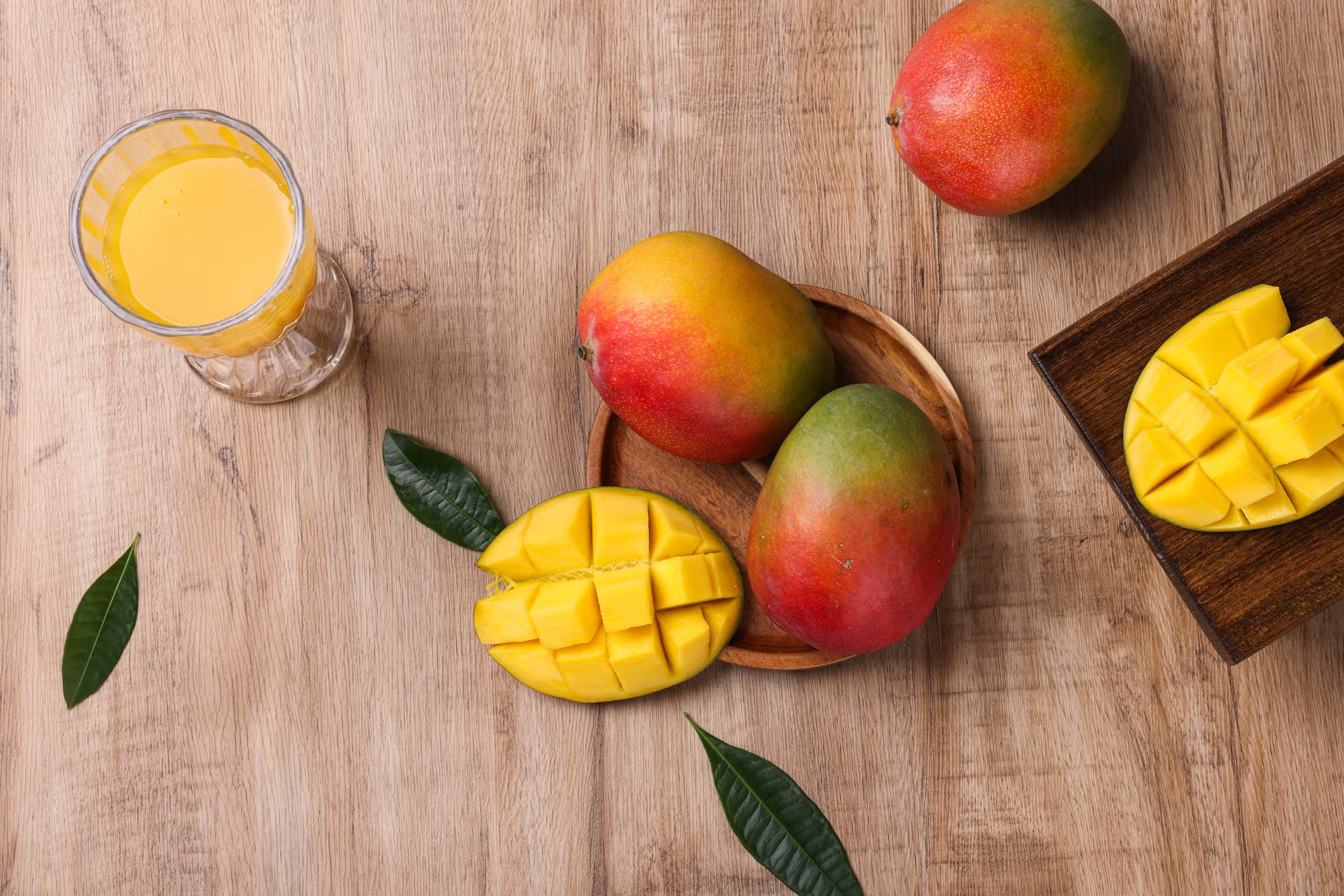

Ripe mango is one of the most popular tropical fruits, known for its sweet taste, juicy texture and vibrant yellow-orange flesh. Often called the “king of fruits,” mango is not only delicious but also provides several important vitamins, minerals, fiber and plant compounds.
Ripe mango can be included as part of a balanced diet and may support digestion, immunity, eye health, skin health and overall nutrition. However, because mango is naturally sweet and contains carbohydrates, portion size can be important for people who need to monitor their blood sugar or calorie intake.
What Is Ripe Mango?
Mango is the fruit of the mango tree, scientifically known as Mangifera indica. As the fruit ripens, its flesh generally becomes softer, juicier and sweeter.
Ripe mango contains natural sugars along with dietary fiber, vitamin C, vitamin A, vitamin E, vitamin K, vitamin B6, folate, potassium, magnesium and other nutrients. It also contains plant compounds such as carotenoids and polyphenols.
The exact nutritional composition can vary depending on the mango variety and stage of ripeness.
Nutritional Value of Ripe Mango

Approximately one cup of chopped mango provides around:
| Nutrient | Approximate Amount |
|---|---|
| Calories | 99 kcal |
| Carbohydrates | 25 g |
| Dietary Fiber | 2.6 g |
| Protein | 1.35 g |
| Fat | 0.6 g |
| Natural Sugars | 22.6 g |
| Vitamin C | Significant amount |
| Vitamin A | Significant amount |
| Vitamin B6 | Present |
| Vitamin E | Present |
| Vitamin K | Present |
| Potassium | Present |
| Folate | Present |
| Magnesium | Present |
Mango also contains antioxidant compounds, including beta-carotene and other polyphenols. Nutrient levels can differ considerably between cultivars.
Health Benefits of Ripe Mango
1. Supports Digestive Health
Ripe mango contains dietary fiber, which plays an important role in normal digestion and bowel function.
Fiber can help add bulk to stool and support regular bowel movements. It also contributes to the growth and activity of beneficial gut bacteria.
Including mango as part of a fiber-rich diet may therefore contribute to better digestive health.
2. Helps Support the Immune System
Mango is a good source of vitamin C, an essential nutrient involved in normal immune function.
Vitamin C also contributes to collagen production and wound healing and acts as an antioxidant that helps protect cells from oxidative damage.
Eating mango alongside other fruits and vegetables can help increase overall vitamin and antioxidant intake.
3. May Support Eye Health
Ripe mango contains carotenoids, including beta-carotene, which the body can convert into vitamin A.
Vitamin A is important for normal vision. Mango also contains smaller amounts of lutein and zeaxanthin, plant compounds associated with eye health.
Regularly consuming a variety of colorful fruits and vegetables can provide a broad range of carotenoids and other protective nutrients.
4. Promotes Healthy Skin
Mango provides vitamin C, vitamin A-related carotenoids and vitamin E.
Vitamin C is required for collagen formation, while vitamin A plays a role in normal skin maintenance. Antioxidant compounds in fruits can also help protect cells from oxidative stress.
However, eating mango does not directly eliminate wrinkles or cure skin conditions. Skin health depends on overall nutrition, sun protection, hydration and other lifestyle factors.
5. Provides Antioxidants
Mango contains several antioxidant compounds, including vitamin C, carotenoids and polyphenols.
Antioxidants help protect cells from oxidative stress caused by reactive molecules. Mango research has identified compounds such as mangiferin and other phenolic compounds in the fruit.
The amount of these compounds varies according to mango variety, growing conditions and ripeness.
6. May Support Heart Health
Mango contributes potassium and dietary fiber to the diet.
Potassium is an important mineral involved in maintaining normal blood pressure, while dietary fiber is associated with cardiovascular health when consumed as part of an overall healthy eating pattern.
Mango should therefore be viewed as one component of a heart-friendly diet rather than as a treatment for high blood pressure or heart disease.
7. Can Help With Satiety
Although mango tastes sweet, it also provides fiber and water.
Fiber can contribute to feelings of fullness, which may make fruit a more satisfying snack than many highly processed, low-fiber foods.
For people trying to maintain a healthy weight, mango can fit into a balanced eating pattern when consumed in appropriate portions.
8. Supports Healthy Nutrient Intake
Mango provides several micronutrients in addition to its natural carbohydrates.
These include vitamin C, vitamin A, vitamin B6, vitamin E, vitamin K, folate, potassium and magnesium.
Adding different fruits to the diet is useful because each fruit provides a different combination of vitamins, minerals and plant compounds.
9. Provides Natural Energy
Ripe mango contains naturally occurring carbohydrates and sugars, making it a convenient source of energy.
It can be particularly useful as part of breakfast, a snack or a meal when combined with foods containing protein and healthy fats.
For example, mango can be paired with plain yogurt, nuts or seeds for a more balanced snack.
10. May Contribute to a Healthier Overall Diet
Research examining mango consumption has found associations between mango intake and higher fruit intake and certain nutrient intakes. However, these observational findings do not prove that mango itself caused the differences.
The broader message is that replacing some highly processed snacks with whole fruits can help improve the nutritional quality of the diet.
Is Ripe Mango Good for Weight Loss?
Ripe mango can be included in a weight-management diet, but it is not a weight-loss food by itself.
Mango provides fiber and relatively few calories per cup compared with many calorie-dense desserts and processed snacks. However, it also contains a substantial amount of natural sugar and carbohydrates.
If you are trying to manage your weight:
- Choose whole mango rather than mango desserts.
- Keep portions reasonable.
- Pair mango with protein-rich foods such as unsweetened yogurt.
- Avoid adding large amounts of sugar, cream or sweetened condensed milk.
- Maintain an overall calorie-balanced diet.
Is Ripe Mango Good for Diabetes?
People with diabetes do not necessarily need to completely avoid mango. However, portion size and the overall carbohydrate content of a meal are important.
Whole mango contains fiber, vitamins and minerals, but it still contributes natural sugars and carbohydrates. Eating a moderate portion alongside protein, healthy fats or other high-fiber foods may be more appropriate than consuming a very large quantity at once.
People with diabetes should follow their individualized dietary plan and monitor how specific foods affect their blood glucose.
Best Ways to Eat Ripe Mango
Ripe mango can be enjoyed in many ways:
- Eat it fresh and sliced.
- Add it to fruit salads.
- Mix it with plain yogurt.
- Add it to oatmeal.
- Blend it into a smoothie without added sugar.
- Add mango pieces to a breakfast bowl.
- Use it in homemade salsa.
- Add it to salads.
- Freeze pieces for a refreshing snack.
- Use it in homemade desserts with minimal added sugar.
Whole mango is generally preferable to heavily sweetened mango beverages or desserts because the whole fruit provides fiber and other nutrients.
How Much Ripe Mango Should You Eat?
There is no single amount of mango that is ideal for everyone.
A serving of around one cup of chopped mango can fit comfortably into many balanced diets. People who need to control carbohydrate intake may prefer a smaller portion.
Rather than focusing on mango alone, consider your overall daily intake of fruits, vegetables, whole grains, protein and healthy fats.
Possible Side Effects and Precautions
Mango is generally safe for most people when consumed as part of a balanced diet, but some people may experience problems.
1. Digestive Discomfort
Eating a large quantity of mango at once may cause bloating, gas or digestive discomfort in some individuals.
People with certain digestive disorders, including IBS, may be particularly sensitive to mango because of its fructose content.
2. Allergic Reactions
Some people can develop an allergic reaction to mango. Reactions may include itching, skin irritation, swelling or other allergy symptoms.
Mango peel can also cause reactions in susceptible individuals because it contains compounds related to those found in poison ivy and poison oak.
3. Natural Sugar Content
Ripe mango contains considerable natural sugar. Eating very large quantities may significantly increase carbohydrate intake.
People with diabetes or those following a carbohydrate-controlled diet should consider mango as part of their total carbohydrate intake.
4. Potassium Considerations
Mango contains potassium. For most healthy people, this is beneficial as part of a balanced diet. However, people with certain kidney conditions or those taking medications that affect potassium levels may need individualized dietary advice.
Ripe Mango vs Mango Juice

Whole ripe mango is generally a better everyday choice than mango juice.
Whole fruit provides fiber, while juice usually contains considerably less fiber. Drinking juice can also make it easier to consume a large amount of fruit sugar quickly.
Whenever possible, choose fresh whole mango over heavily sweetened mango drinks.
Frequently Asked Questions
Is ripe mango healthy?
Yes. Ripe mango provides fiber, vitamin C, vitamin A-related carotenoids, vitamin E, potassium, folate and other nutrients. It can be part of a healthy, balanced diet.
Can we eat mango every day?
For most healthy people, mango can be eaten regularly as part of a varied diet. The appropriate amount depends on individual calorie and carbohydrate needs.
Is mango good for skin?
Mango provides vitamin C, vitamin A-related compounds and vitamin E, all of which contribute to normal skin health. However, mango should not be considered a treatment for skin problems.
Does mango improve digestion?
Its dietary fiber can support normal bowel function and contribute to digestive health.
Is mango good for the eyes?
Mango contains beta-carotene and other carotenoids, while vitamin A is essential for normal vision. Eating a variety of colorful fruits and vegetables is the best way to obtain a broad range of eye-supporting nutrients.
Can mango help with constipation?
The fiber in mango can contribute to regular bowel movements and may be helpful as part of an overall high-fiber diet.
Is mango high in sugar?
Mango contains naturally occurring sugar. One cup of chopped mango contains roughly 22.6 grams of natural sugar, although it also provides fiber and several micronutrients.
Is mango good for immunity?
Mango provides vitamin C and other antioxidant compounds that support normal immune function. It should be considered part of an overall nutritious diet rather than an immunity-boosting cure.
Final Thoughts
Ripe mango is a nutritious and flavorful fruit that can add important vitamins, minerals, fiber and plant compounds to the diet. Its vitamin C, carotenoids, fiber, potassium and antioxidant compounds make it a useful addition to a varied eating pattern.
From supporting normal digestion and immune function to contributing to eye, skin and cardiovascular health, mango offers several nutritional advantages. At the same time, it is naturally sweet, so moderation is particularly important for people managing blood sugar or calorie intake.
The healthiest approach is to enjoy ripe mango as whole fruit, combine it with a variety of other fruits and vegetables, and maintain an overall balanced diet.
Also check: https://link.amazon/B03Gga9uw
About the Author