

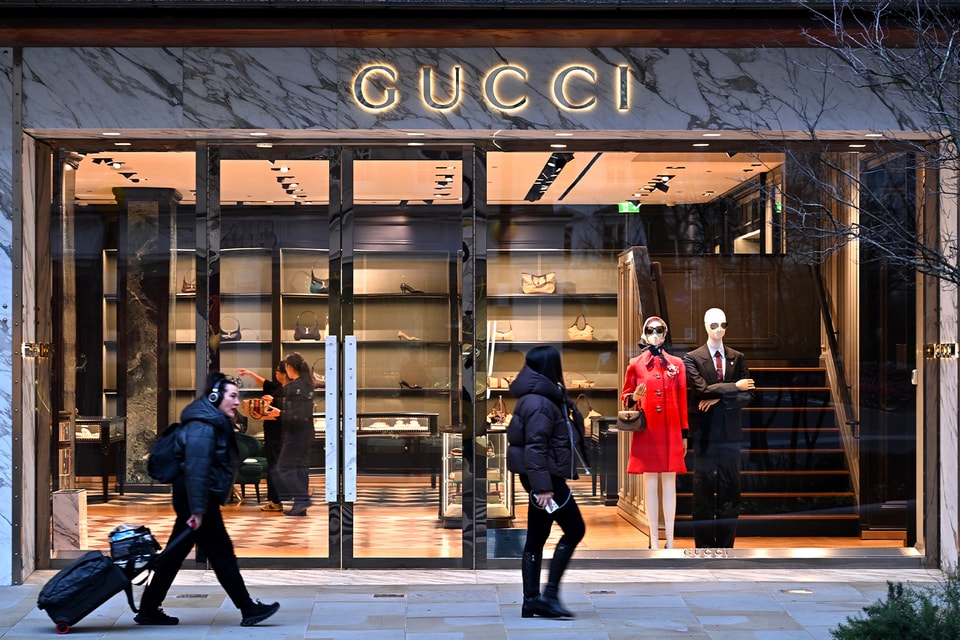
Gucci is one of the most well-known luxury fashion brands in the world. It was created in Florence in 1921 and has gone from a modest luggage store to a worldwide brand synonymous with Italian craftsmanship, unique design, and luxury fashion. In this article, we’re going to explore 20 interesting facts about Gucci in 2026.
1. Gucci was established in 1921
Gucci was established in Florence, Italy, in 1921 by Guccio Gucci. The first Gucci shop was opened in Via della Vigna Nuova and was initially dedicated to luggage and travel goods.
2. It is a Founder Worked at The Savoy
Guccio Gucci was once a porter at the Savoy Hotel in London before he started his business, Gucci. His keen observation of the affluent travellers shaped his notion of producing elegant luggage and leather products.
3. Gucci has been around for over a hundred years!
The company’s Gucci brand will be over 100 years old by 2026. Adapting to the ever-changing brand landscape, the company has always remained true to its Florentine artisanal roots and Italian luxury.
4. Gucci Started With Travel Products
Travel and Gucci go hand in hand for the first few years. It was an original brand that made luggage and other quality products for the sophisticated traveler, a tradition to this day with the brand.
5. The GG Monogram has Historic Roots
One of Gucci’s most iconic visual codes is the famous GG. It was created from the House’s initial Diamante pattern and is a key element in Gucci’s canvas designs.
6. The Bamboo Bag has been in use since 1947
One of the House’s most iconic designs, the Gucci Bamboo 1947. Its unique bamboo feature became a signature, and the handle is traditionally handmade by heating the bamboo to form it.
7. The Horsebit Loafer Is a Gucci Classic
The Horsebit loafer is a product introduced in 1953 and one of Gucci’s most lasting. It is the unique metal horsebit detail, which continues to be strongly associated with the House.
8. Gucci Expanded to the United States in 1953
In 1953, Gucci opened for the first time in its international expansion in New York. The same year, the Horsebit loafer was introduced.
9. Jackie is #1 among the iconic bags of Gucci
Another iconic Gucci piece made in 1961 is the Jackie. The bag goes back many decades and has been reimagined over the years, but has always been tied to the House’s history.
10. Gucci Flora was Made for Princess Grace
In 1966, the famous Gucci print named Gucci Flora was designed when Princess Grace of Monaco walked into the Gucci store in Milan. The design was broken down into some 27 flowers in 34 colours and was one of the brand’s enduring motifs.
11. Gucci Entered Ready-to-Wear Fashion
In the mid 1960s, Gucci started to make ready-to-wear clothes. This allowed the company to grow from its leather-goods origins into a more general fashion company.
12. Gucci was led by Tom Ford in the 1990s
In 1994, Tom Ford joined Gucci as the Creative Director, where he launched an influential era in the brand’s modern fashion history. His designs contributed to creating a unique contemporary look in the Gucci brand.
13. The company Gucci joined Kering in 2013
In 1999, Gucci became a part of Kering, as it was then called. Today, Kering’s holdings consist of a variety of big luxury and fashion labels, including Gucci.
14. The brand Gucci was transformed by Alessandro Michele
In 2015, Alessandro Michele was appointed the Creative Director of Gucci. During his time, he was able to redefine Gucci’s visual identity through his highly individualistic approach.
15. Demna became Artistic Director
The big twist was in 2025, when Demna ascended to the position of Artistic Director at Gucci. The appointment was a new chapter in his creative journey, where he merged Gucci’s legacy with a modern fashion lens.
16. The Collection Cruise 2026 “Celebrating Heritage” highlighted Gucci’s heritage
The Gucci Cruise 2026 collection was shown at the Gucci Archive in Florence. The assembly featured a strong focus on craftsmanship, archival references, the GG monogram, the Horsebit, and various other House codes.
17. Below is the conversation between Gucci and Florence.
Flowers always play a key role in Gucci’s design. The city is the birthplace of the House, and today Gucci pays tribute to the Florentine craftsmanship and the historical relationships to the city.
19. Gucci Has a Dedicated Archive
Another important archive of Gucci is located in Palazzo Settimanni, Florence. The archive holds designs, clothing, and textiles that reflect the story of the House over the generations and tell the story of the past.
20. Gucci takes an old-school touch with a new-school look
Gucci’s influence is partly due to its reinterpretation of the traditional elements of style for modern consumption. The Bamboo icon, Jackie, and Horsebit are still inspiring new collections and designs.
Luxury symbol in 2026
Today, Gucci is still the symbol of Italian luxury, craftsmanship, and creative experimentation, more than a century since its inception. With its current creative direction, the House is continuing to examine its historic codes and is working to create a new identity for the House.
Conclusion
It’s incredible how Gucci has grown from a small Florentine luggage store in 1921 to a worldwide luxury fashion house. It has been incredibly relevant for over 100 years thanks to its iconic products, historic motifs, influential designers, and link to Italian craftsmanship. Gucci’s journey into 2026 is one of navigating the balance between tradition and innovation, highlighting its ongoing commitment to a heritage of luxury and style.
About the Author