
The Shvetashvatara Upanishad isn’t just another old Indian text—it really manages to grab hold of you. Part of the Krishna Yajurveda, people keep turning to it for a reason: it jumps straight into the big stuff. Who’s in charge of everything? Who are we, underneath all the noise? How do we fit into this world? And what’s the point of meditating, anyway?
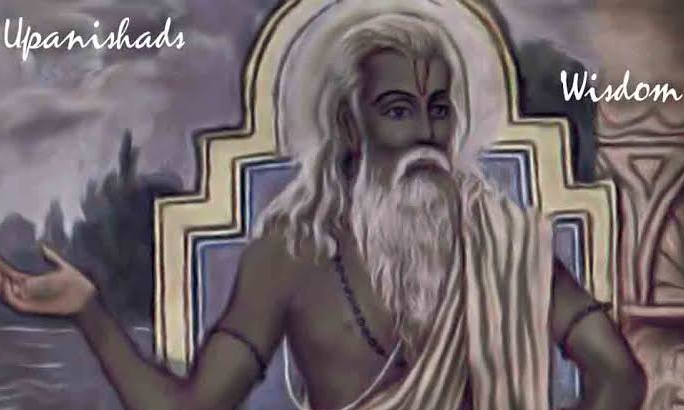
The Upanishad takes its name from the sage Shvetashvatara, the guy behind these teachings. Even in 2026, its ideas still get under your skin. If you care about Indian philosophy, or even if you’re just poking around looking for some meaning, this book has a way of pulling you in.
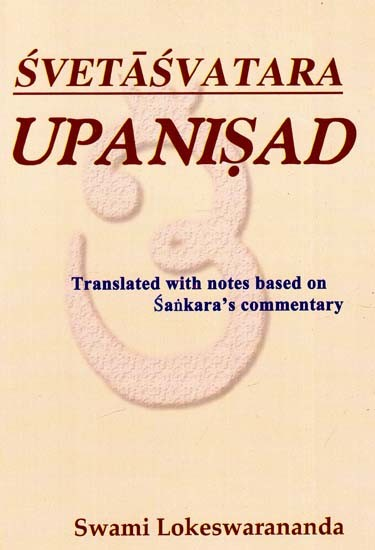
What’s different here is that the Upanishad doesn’t waste time. It opens with questions—real ones. Did time create the world? Was it just nature doing its thing? Pure chance? Fate? Or is there something deeper running the show? It doesn’t settle for shallow answers. In the end, the text leans hard into the idea that there’s a Supreme Reality at the heart of it all—the one steady thing beneath all the chaos.
One idea that keeps echoing is how the self, the universe, and the Supreme Being are wrapped together. The Upanishad isn’t happy just scratching the surface. It pushes you to see that beneath all the changing details, there’s something solid and eternal. God isn’t some distant thing out there—the divine lives right here, in everyone. It almost shakes you, saying: forget about all the surface differences; try to spot the unity underneath.
But it’s not just dreamy philosophy. The Upanishad gets down to business with practical stuff too. Meditation and discipline? It puts them front and center. These aren’t just tools to relax after a long day—they’re ways to find out who you are, deep down. You learn to guide your senses, focus your mind, and wake up to another level of awareness.
You’ll notice two huge themes running through: knowledge and liberation. The Upanishad doesn’t say freedom comes from collecting facts or chasing after more things. It cares about real understanding—seeing what’s actually true. When you look past appearances and recognize what’s underneath, fears and hang-ups start to fall away. Liberation shows up when you wake up to that deeper truth, not from stockpiling stuff or information.
And there’s something else—the way this Upanishad talks about Rudra, who later becomes known as Shiva, the Supreme Lord. This focus really helped shape later Shaiva philosophy and practice. Still, it keeps room for the classic Upanishad themes: Brahman, the self, spiritual discovery.
What’s nice these days is you don’t need to know Sanskrit to dive in. There’s a ton of fresh translations. Sure, some Sanskrit words carry huge amounts of meaning, and no translation gets it all. But it opens a door for more people.
At the end of the day, reading the Shvetashvatara Upanishad feels like cracking open a window to ancient India—you get to hear those old, burning questions. Why are we here? What is consciousness, really? Does any of this mean something? And honestly, after all this time, those questions haven’t gotten any less sharp.
About the Author