
Cricket is more than just about scoring runs; we also see it in the feel of a perfect connection between ball and bat. In a local tournament, during a weekend friendly, or while you are into the 1st night of IPL, there are certain shots that still stand out. In 2026, T20 cricket will be a stage for power and innovation, but traditional plays that do best for those who appreciate the art of timing and technique will still be performed.
For me, what I live for in batting is that a perfectly timed shot doesn’t always have to be hit with great power. Sometimes a gentle wrist movement or a smooth swing will produce a great boundary.
Top five cricket shots that really are the best.
- The Cover Drive: A perfect blend of timing and elegance.
In some regards, the cover drive is the most appealing shot in cricket. Out against a full ball that is pitched outside off stump, it includes a step forward and driving the ball into the gap between cover and mid-off.
Watching the likes of Virat Kohli perform a cover drive is a cricket lover’s delight. He has great balance, a high through-the-air follow-through, and a talent for finding gaps, which makes the shot appear so easy.
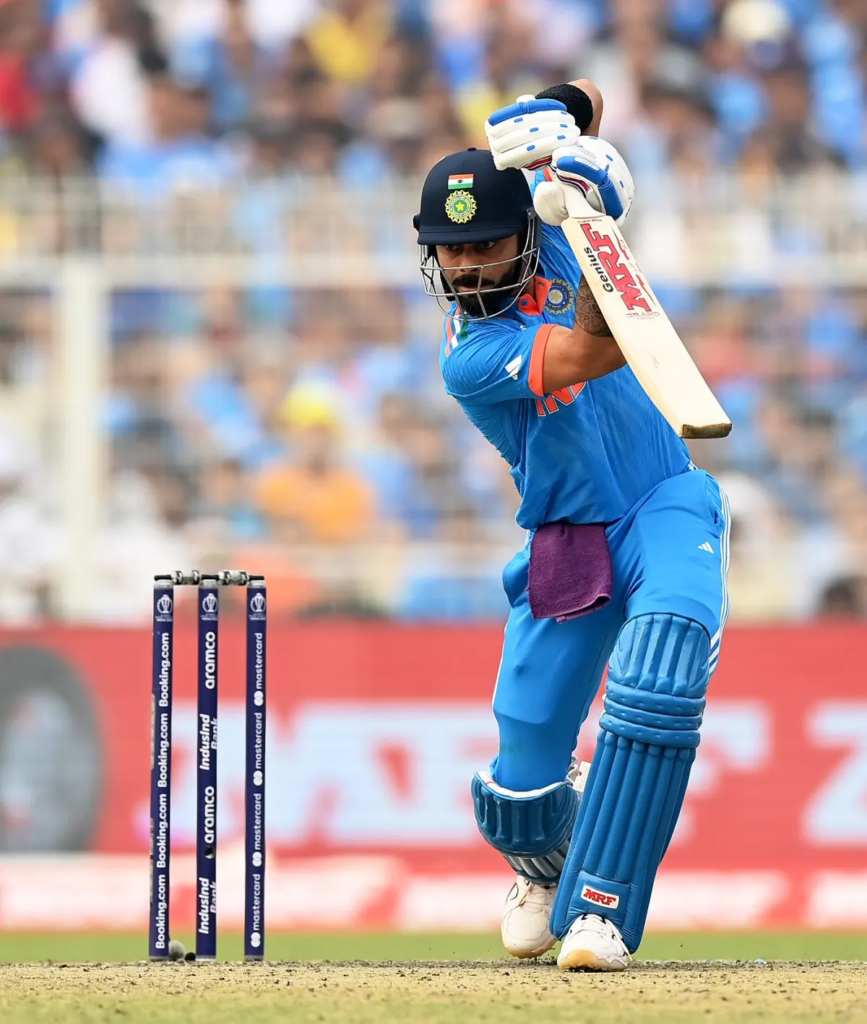
What makes it satisfying?
The ball’s perfect connection with the bat, then out it goes to the boundary; that’s a hard one to match. Also, it is the timing that is key instead of raw power. For the most part, what you do with your head over the ball and that front foot movement toward the pitch makes all the difference.
2. The Straight Line: Basic yet Brilliant.
In a few cases, the perfect shot is the straight drive. The player hits the ball straight at the bowler, which usually heads for the boundary and doesn’t give the fielders enough time to react.
Sachin Tendulkar’s performance is still talked about by fans of the game for many a generation. He hit straight drives which proved that with balance and a straight bat you could achieve the impossible.
A useful batting tip: Keep your front foot at the point where the ball is and don’t swing at it too much. A composed shot will outperform one that is forced with too much power.
For starters, it’s an out-and-out great opportunity to work on your game with a coach or at the nets.
3. The Pull Shot: Power and Sureness.
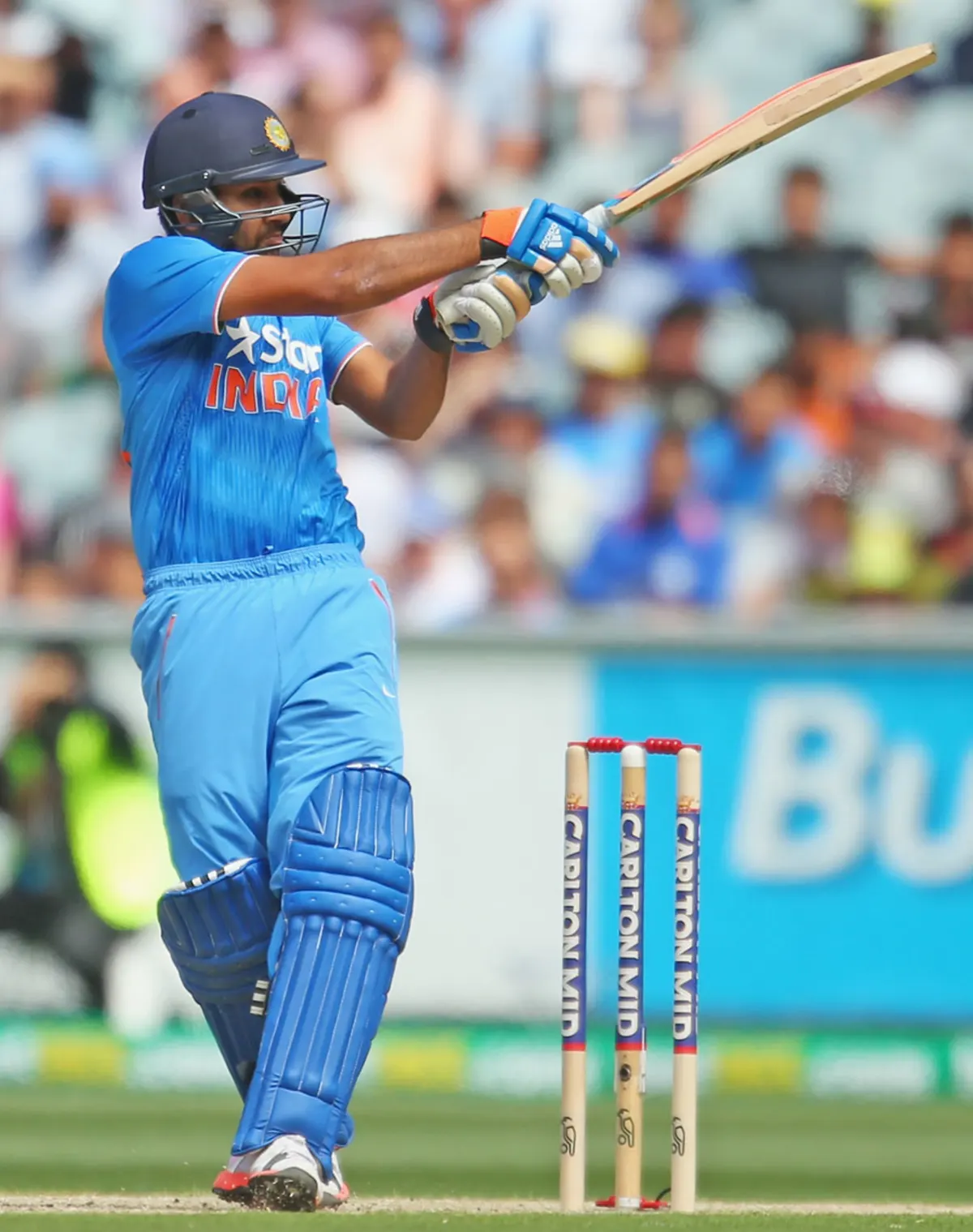
When a spinner puts one in that is a length of a meter or so, the pull shot presents the batsman with an attacking option. The batsman turns the body and directs the ball to the leg side, usually to square leg or midwicket.
Rohit Sharma is known for his skill in playing short balls with great timing and control.
The fulfillment is in taking control of a challenge that was doled out to you. Also, in this is the element of good judgment. Too soon is too soon for a perfect play, and also poor balance will see the ball into the fielder’s hands.
In practice, what you do is watch the ball very carefully, rotate your body smoothly, and maintain your balance.
4. The Flick Technique: Little Action, Great Result.
The game of this flick is that it presents what skill with the wrists can do. When the bowler goes at the pads, the batter uses the wrist action to get it to midwicket, square leg, or fine leg.
Virat Kohli and many other technically talented batters have made it look very natural.
One also notes that a big backlift is not a requirement for the flick to work. The angle at which the bat approaches, the timing of impact, and the rotation of the wrists all play into where the ball goes.
For club-level players, we see that practicing gentle flicks with underarm deliveries is a good way to develop better control, which in turn will improve performance against faster bowlers.
5. The Ramp Play: Modern Cricket at Its Best.
The ramp play is a creative element of present-day cricket. Instead of hitting the ball into the traditional gaps, the batter uses the pace of the delivery to spin it into the wicketkeeper’s space, which generally results in the ball going to fine leg or third man.
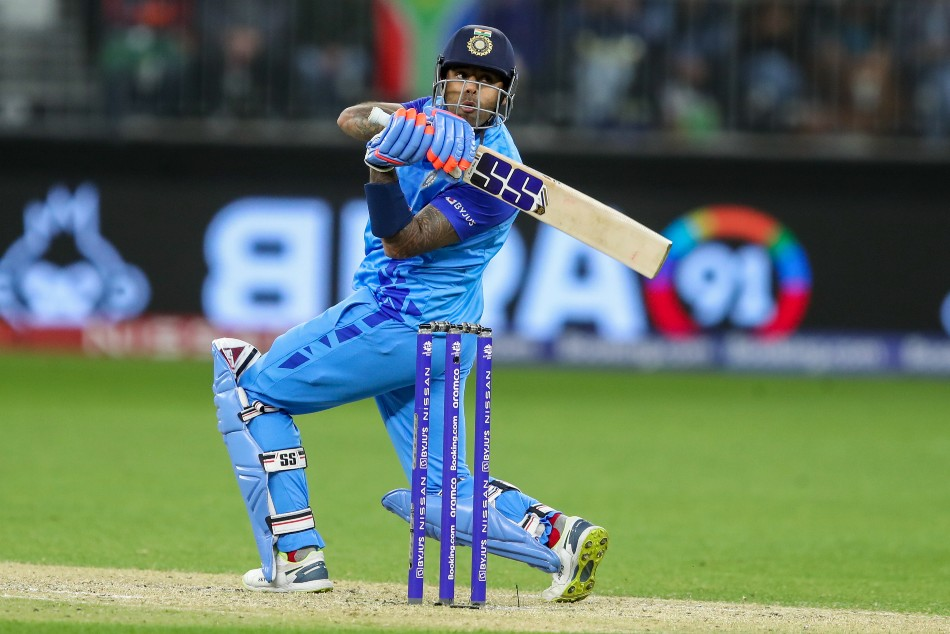
Players like Suryakumar Yadav have played a key role in popularizing innovative stroke play in the T20 era.
What makes this shot exciting is that it comes out of nowhere. A bowler who has thrown a perfect ball may see the batter turn it into a score out of nowhere.
Also, the ramp shot requires a great deal of pace and spin judgment as well as proper field placement. It is best to practice this under supervision and to attempt in matches which present a suitable risk.
Final Thoughts
Each cricketer has a favorite shot; in the game of cricket, what we see is that it is the plays which come from a place of confidence, balance and perfect timing which leave us the most satisfied. The cover drive is a work of art, the straight drive a result of great technique, the pull shot is all about aggression, the flick a display of wrist skills, and the ramp shot a statement of creativity.
The perfect shot is not always the difficult one, but the one you time out.
About the Author