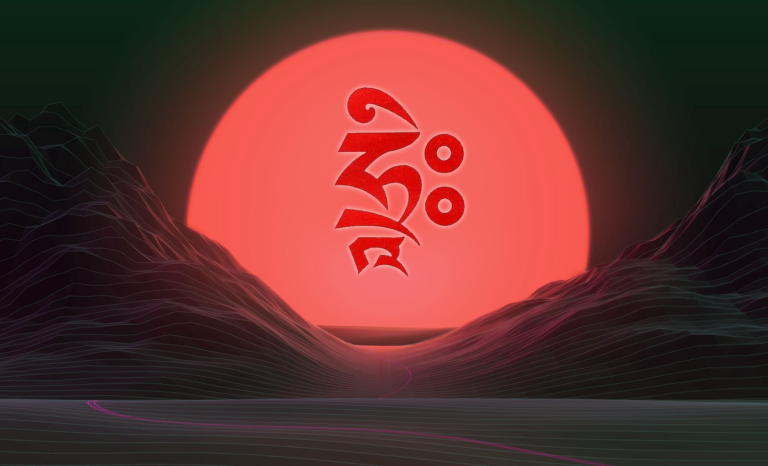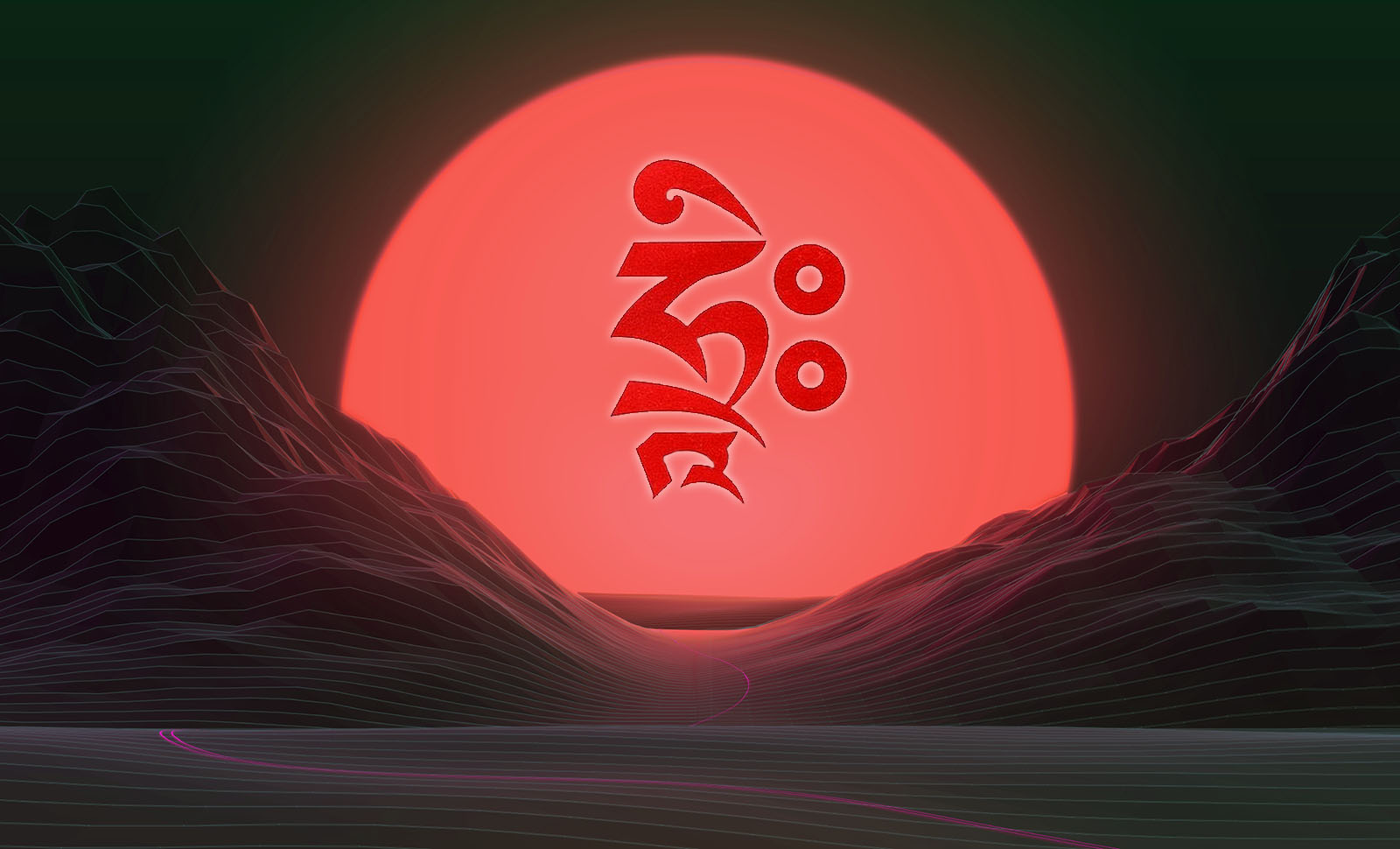

Red Tara’s a big deal in Vajrayana Buddhism. She’s all about compassion, protection, and helping clear obstacles out of your way. People see her as a force—pretty much Tara’s energy on the move. Loads of Buddhists include her mantra in their daily routine, and, honestly, quite a few wonder if it really does anything or if there’s something risky about it.
So what’s up with the Red Tara mantra? It’s tied to bringing about enlightened action, giving your confidence a boost, and helping you get through tough patches. The actual mantra words can shift depending on which tradition or teacher you follow. Sometimes the practice gets complicated—think detailed visualizations or special commitments. That’s when having a seasoned Buddhist teacher isn’t just helpful; it’s essential.

Why bother chanting? For people who actually know a bit about it, repeating a mantra can calm you down, help you focus, and give you some spiritual footing. If you stick with it, it will quiet your mind and keeps your day steady and peaceful.
Red Tara practice aims to build up courage, compassion, and confidence. For believers, it’s almost like a reminder to face challenges with calm instead of getting scared or angry. But you shouldn’t expect miracles. The mantra works differently for everyone, and it’s not going to magically fix everything.
Is there any downside? There’s no evidence saying chanting Red Tara’s mantra is dangerous. Most problems pop up when people jump into tantric practices without really understanding them, feel pushed into routines they don’t like, or get spooked by rumors about saying the mantra incorrectly.
In Vajrayana, some Red Tara practices do need initiation or proper teaching. Finding a trustworthy teacher matters—they’ll help clear up any confusion and get you started on something that feels right. If you’re new, ask questions and figure out what suits you.
One thing to keep in mind: don’t expect the mantra to solve your problems overnight, and don’t swap it in for medical care or good decisions. If it ever makes you feel uneasy or stressed, it’s fine to pause and chat with someone you trust.
At the heart of it, Red Tara’s mantra is about compassion, protection, and staying mindful. It’s a chant with deep roots—and nothing about it is inherently dangerous. Like any spiritual practice, respecting where it comes from and learning from those who know their stuff is key. If you’re thinking about diving in after 2026, the smartest move is to really get to know the Buddhist tradition behind it.
About the Author