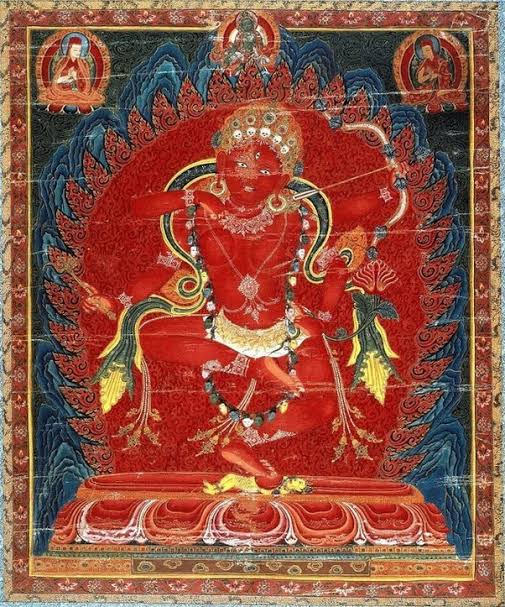

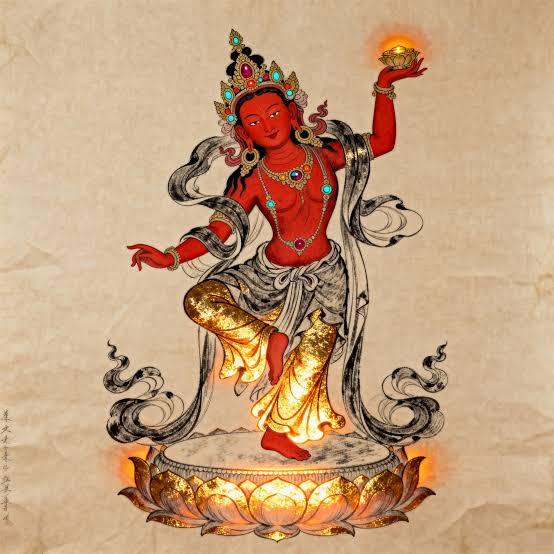
Red Tara mantra chanting is a spiritual practice associated with Red Tara, a manifestation of Tara revered in Tibetan Buddhism. Tara is widely regarded as a figure of compassion, protection, and enlightened activity. Red Tara is particularly associated in some Buddhist traditions with magnetizing activity, the cultivation of positive qualities, and the transformation of desire into wisdom.
Also read: Top 10 Women Billionaires in India 2026
People interested in Red Tara chanting often wonder whether the practice is beneficial, whether it can have negative effects, and whether special precautions are necessary.
For most people, approaching a mantra as a devotional or meditative practice can be a meaningful way to focus attention and cultivate calm. However, Red Tara practices vary across Buddhist lineages, and certain forms are traditionally taught only with guidance from a qualified teacher.
Who Is Red Tara?

Red Tara is one of the forms of Tara in Tibetan Buddhist traditions. Tara is associated with compassion, wisdom, and the aspiration to help beings overcome suffering.
While Green Tara is commonly associated with swift compassionate activity and protection from obstacles, Red Tara is often connected with magnetizing activity, vitality, attraction, and the transformation of desire into an enlightened expression of compassion.
These descriptions belong to Buddhist religious traditions and should not be understood as scientifically established supernatural effects.
What Is the Red Tara Mantra?
Red Tara has different mantras and ritual practices across Tibetan Buddhist traditions. One mantra associated with Red Tara is commonly transliterated as:
Om Tare Tam Soha
However, mantra forms and pronunciations can vary according to the specific practice and lineage. This short form should not be assumed to be the correct or complete mantra for every Red Tara practice.
Some advanced Red Tara sadhanas involve additional mantras, visualizations, ritual instructions, or empowerment requirements. If you wish to practise a specific traditional sadhana, it is best to learn the appropriate form from a qualified teacher in that lineage.
Is Red Tara Mantra Chanting Beneficial?
Many practitioners find mantra chanting beneficial as a form of prayer, meditation, or spiritual reflection. Potential benefits may include the following.
1. Greater Focus and Mindfulness
Repeating a mantra can give the mind a consistent point of attention. This may help some people settle distracting thoughts and develop a regular meditation habit.
The experience varies from person to person, and mantra chanting is not a guaranteed treatment for anxiety or other health conditions.
2. Emotional Calm and Reassurance
A familiar devotional practice may provide comfort during periods of uncertainty or stress. Repeating a mantra with a calm, unhurried rhythm can also create a structured pause in a busy day.
If chanting increases distress or makes you feel frightened, it is reasonable to stop and discuss your experience with a trusted spiritual teacher or healthcare professional, as appropriate.
3. Cultivating Compassion and Positive Intentions
Tara practice is rooted in Buddhist teachings on compassion and wisdom. Approaching the practice with an intention to reduce suffering, act ethically, and treat others kindly can make it meaningful beyond the act of chanting itself.
4. Building a Consistent Spiritual Routine
A short period of daily prayer or meditation may help establish a routine for reflection. Some people prefer chanting in the morning, while others practise in the evening or during a quiet moment.
There is no universal requirement to chant at a particular time unless a specific traditional practice provides such instructions.
Can Red Tara Mantra Chanting Be Harmful?
There is no good scientific evidence that respectfully repeating a mantra, by itself, causes supernatural harm, bad luck, or punishment.
Nevertheless, there are a few considerations worth understanding.
1. Different Practices Have Different Requirements
In Tibetan Buddhism, some deity practices are intended for general devotional engagement, while specific tantric sadhanas may require empowerment, oral transmission, or detailed instruction from a qualified teacher.
If a teacher or text identifies a particular practice as requiring empowerment, follow the guidance of the relevant lineage rather than assuming every form is interchangeable.
2. Avoid Fear-Based Interpretations
You may encounter claims that chanting incorrectly will bring bad karma, attract negative energies, or cause misfortune. Such claims should not automatically be accepted as fact.
If you make a pronunciation mistake, forget a repetition, or feel distracted while chanting, there is no scientific basis for concluding that you have caused supernatural harm.
3. Do Not Let Chanting Replace Necessary Care
Mantra chanting can be part of a personal spiritual routine, but it should not replace medical care, psychological support, or practical steps to address a problem.
Spiritual practices and professional support can coexist.
4. Pay Attention to Your Emotional Experience
If a practice leaves you persistently frightened, unable to sleep, or preoccupied with the possibility of punishment, take a break and seek balanced guidance. A spiritual practice should not become a source of overwhelming fear.
How to Approach Red Tara Chanting Respectfully
If you are interested in Red Tara, consider these general steps:
- Learn the context: Find out which Red Tara practice you are interested in and which Buddhist tradition it comes from.
- Seek reliable guidance: Consult a qualified teacher or a reputable Tibetan Buddhist centre for instructions specific to that practice.
- Begin gently: If you are engaging in a form open to general devotional practice, start with a short, manageable period of quiet reflection.
- Focus on intention: Approach the practice with respect, compassion, and a wish to cultivate positive qualities.
- Avoid compulsive repetition: You do not need to repeat a mantra out of fear that something bad will happen if you stop.
- Remain grounded: Continue attending to your everyday responsibilities, relationships, and health.
These are general suggestions, not a substitute for the instructions of a teacher for a specific tantric practice.
Is Red Tara Chanting Suitable for Beginners?
Beginners can learn about Tara through Buddhist teachings, devotional materials, and guidance from reputable teachers. Whether a particular Red Tara mantra or sadhana is appropriate for independent practice depends on the specific form being taught.
If you are new to Tibetan Buddhism, a qualified teacher can help distinguish introductory devotional practices from practices requiring formal empowerment or transmission.
There is no need to rush into advanced rituals or purchase expensive spiritual objects.
Red Tara Mantra Chanting: Myths and Facts
Myth: Chanting Red Tara’s mantra automatically attracts negative energy.
There is no reliable scientific evidence supporting this claim.
Myth: Making a mistake in pronunciation inevitably causes harm.
A pronunciation mistake is not evidence that you have caused supernatural harm. For formal practice, learning the correct pronunciation from a knowledgeable teacher is appropriate.
Myth: Everyone must chant a fixed number of repetitions.
Repetition counts depend on the particular practice and its instructions. There is no single universal count for every Red Tara practice.
Myth: Chanting guarantees wealth, romantic success, or control over another person.
Such outcomes cannot be guaranteed. Buddhist practice is traditionally grounded in ethical conduct, wisdom, and compassion rather than a promise of control over other people or events.
Conclusion
Red Tara mantra chanting can be a meaningful spiritual practice for people who approach it with respect, understanding, and a balanced mindset. Its traditional associations include compassion, wisdom, magnetizing activity, and the transformation of desire into a more beneficial expression.
There is no good scientific evidence that ordinary, respectful mantra repetition causes supernatural harm. At the same time, particular Tibetan Buddhist tantric practices may have specific requirements that should be learned from a qualified teacher.
The most sensible approach is to understand the tradition, follow appropriate guidance, and avoid letting fear-based claims dictate your spiritual life. A devotional practice is best approached with sincerity, discernment, and a commitment to compassionate action.
Also check: https://link.amazon/B03Gga9uw
About the Author