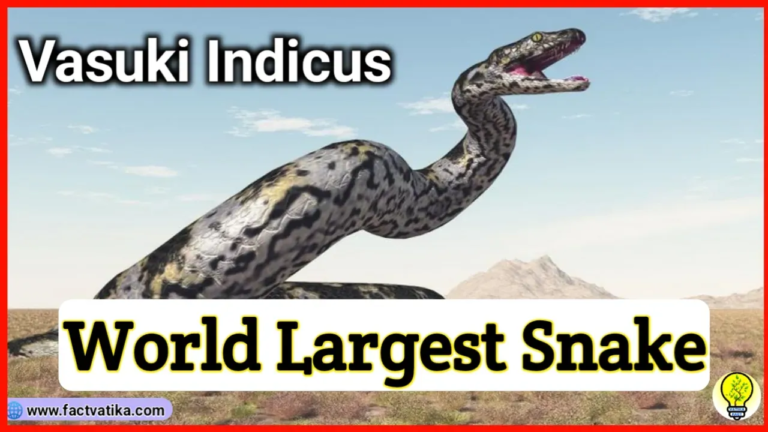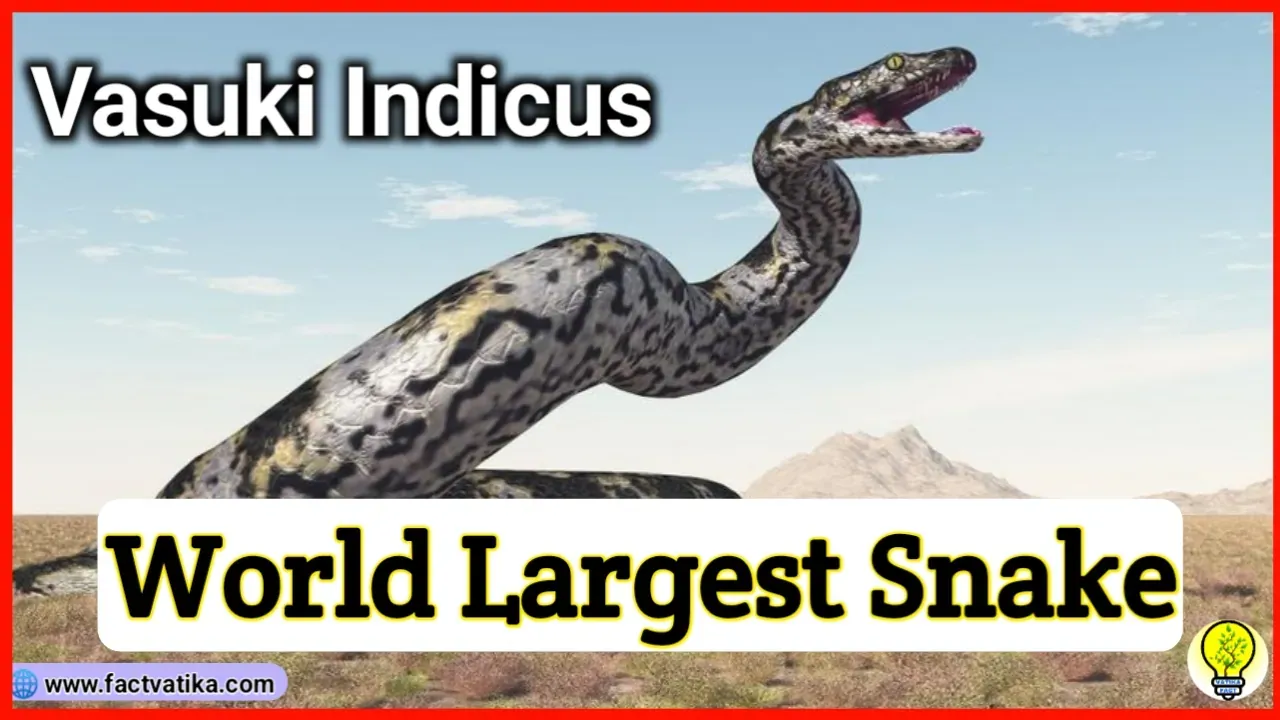

India’s geological timeline is full of mysteries, and the uncovering of Vasuki indicus grants researchers thrilling insight into the nation’s ancient wildlife. This gigantic snake walked the Earth eons ago and might have been comparable to or even greater than the largest type of snake known to science. The fossils of this creature enable scientists to understand how extinct reptile animals evolved and adapted to the environment over the years.
A Snake of Unmatched Size
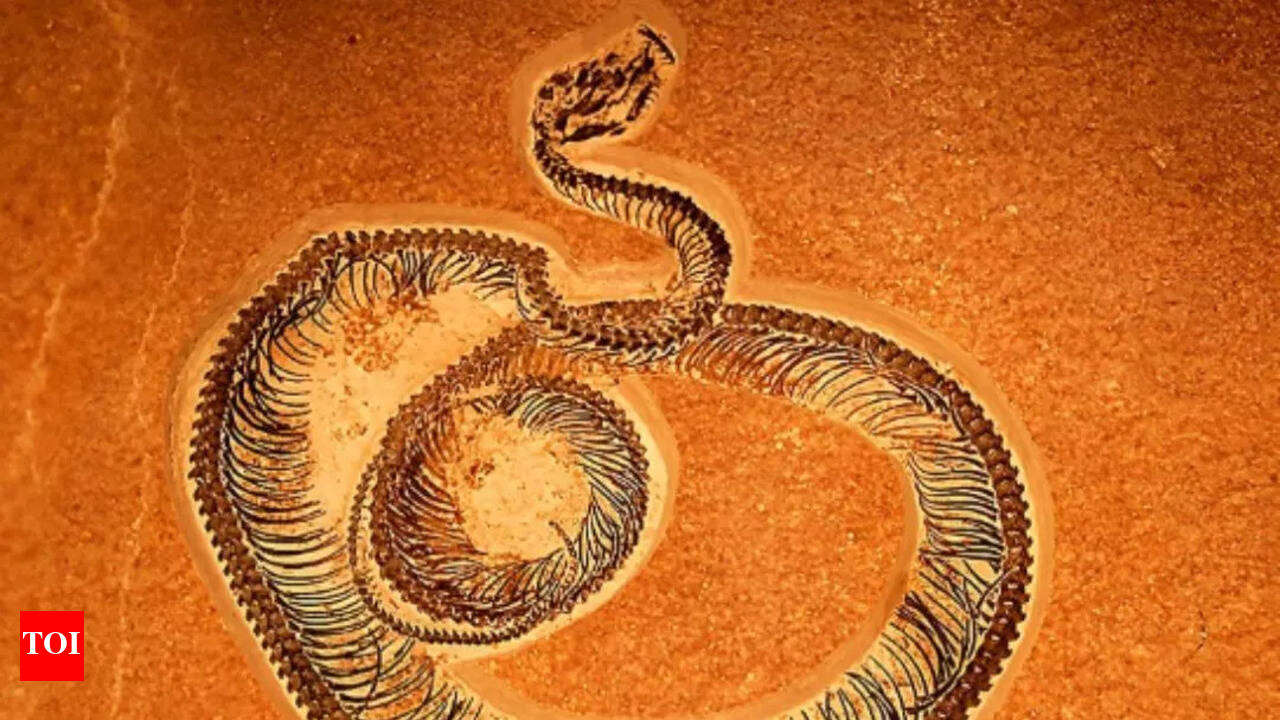
It is believed that Vasuki indicus was up to 10.9 to 15.2 meters (36 – 50 ft) long. The latter figure might be larger than Titanoboa, the well-known prehistoric snake found in Colombia, but scientists still do not know its exact size since they base their calculations on finding the partial skeleton of the species.
The discovery was made by paleontologists Debajit Dutta and Sunil Bajpai from the Indian Institute of Technology Roorkee, who studied the 27 vertebra fossils of the snake.
Fossils Unearthed in Gujarat
The fossils were discovered in 2004 at the Panandhro Lignite Mine in Gujarat’s Kutch region. Initially, the vertebrae were mistaken for the remains of a crocodile. Further examination eventually revealed that they belonged to a giant snake.
Snake fossils are relatively uncommon because their skeletons are delicate and do not always survive the fossilisation process. As a result, the fossil vertebra is a commonly used means for the reconstruction of the appearance and size of extinct animals. The preserved vertebra of Vasuki indicus can be considered an important discovery in paleontology.
Life During the Eocene Epoch

Vasuki indicus lived approximately 47 million years ago, during the Eocene Epoch. This period followed the extinction of the non-avian dinosaurs by millions of years and was characterised by a generally warmer global climate than today.
The warm weather gave rise to varied ecosystems in many places, allowing different reptiles and other living beings to inhabit them. Since snakes cannot regulate their temperatures, meaning their body temperature is reliant on their environment, the temperatures in the ecosystem may affect their activity, metabolism and development. Some scientists argue that the hot climate aided the ability of Vasuki to develop into an exceptionally large creature. Still, temperature is not the only factor that contributed to its development.
An Ancient Ascent to Gondwana
Vasuki comes from the recently extinct family Madtsoiidae. This family is an ancient group of snakes known to have belonged to Gondwana, the supercontinent that included what are now India, Africa, South America, Antarctica and Australia.
Therefore, the discovery of the giant snake in India is important for understanding the evolution of ancient animals in terms of their movement across the continents. According to its name, Vasuki was named after the snake that was known in Indian mythology, namely the king of serpents, which is associated with Lord Shiva, whereas the second part of the name indicates that the species comes from India.
How Did This Giant Snake Hunt?
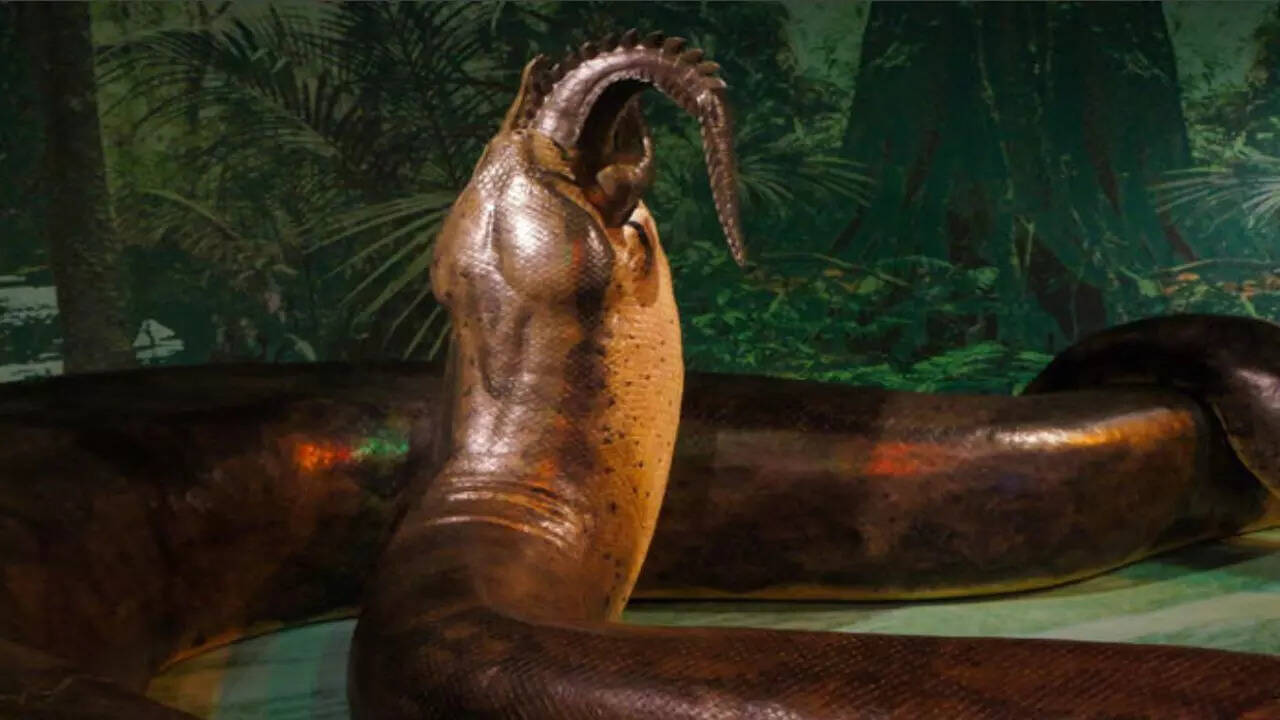
It is assumed that Vasuki indicus could have caught and killed its prey by the constriction technique, which is now practiced by living pythons and boas. But the exact prey choice and its hunting behavior cannot be said due to lack of evidence.
The gigantic body size of Vasuki indicus has raised many questions about the prey of this giant snake. Did it feed on mammals, reptiles, or any other available prey? Did it occupy a position near the top of its food chain? Researchers require more fossils and examples of similar species in order to examine these scenarios.
Importance of the Discovery
The identification of Vasuki Indic occurs like a breakthrough in recognizing India’s ancient biodiversity and highlights the importance of paleontological sites across the subcontinent. Future studies could unveil additional data regarding its anatomy, place in the ecosystem, and evolutionary development.
Despite the fact that many questions remain unanswered, this old snake proves that fossils can shift the perspective on living organisms on the planet. Each recent finding pushes researchers in their attempt to recreate unique ecosystems that were popular even before the appearance of humans.
About the Author