
Ivy gourd, commonly called tindora or kundru, is a small green vegetable widely used in Indian and other Asian cuisines. Scientifically known as Coccinia grandis, it grows as a climbing vine and produces elongated, cucumber-like fruits. Its mild flavour makes it suitable for curries, stir-fries, sabzis and other everyday dishes.
Beyond its culinary uses, ivy gourd contains fibre, vitamins, minerals and plant compounds that can contribute to a balanced diet. However, some of its traditional medicinal uses require more human research before strong health claims can be made.
Nutritional Value of Ivy Gourd

Ivy gourd is relatively low in calories while providing dietary fibre and several micronutrients. You may get vitamin C, vitamin A-like compounds, and minerals like potassium and iron from it. Fiber is beneficial to normal digestion and satiety.
The vegetable is seen more as part of a healthy diet rather than as a medication for an illness.
Possible Health Benefits of Ivy Gourd
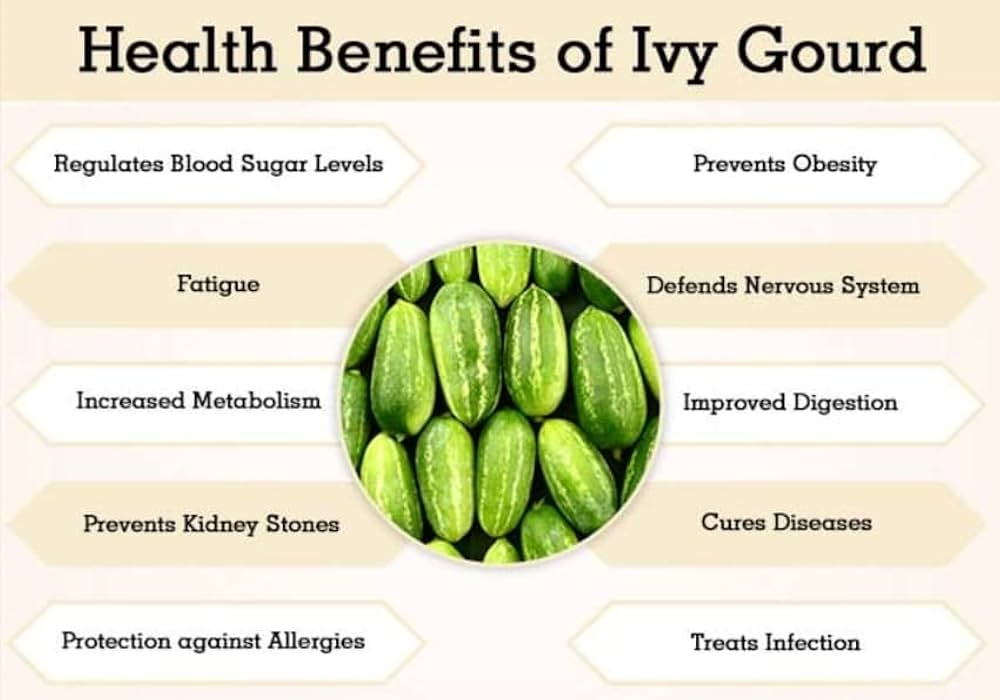
1. Aids Healthy Digestion
Ivy gourd may assist in staying regular as well as properly functioning. The fiber content of the vegetable is beneficial.
2. May Aid in Blood Sugar Control
The plant has been tested for its action on blood sugar management in the past. The ivy gourd is believed to contain elements that might affect glucose metabolism.
However, it should not be considered instead of developing treatment plans for diabetes.
People on diabetes medication should be very careful about avoiding concentrated ivy gourd.
3. Provides Antioxidants

Plant compounds and vitamins found in ivy gourd can provide antioxidant activity. Antioxidants protect the body against oxidative damage resulting from normal body processes and environmental exposure.
4. Supports Immune System Function
Vitamin C and other nutrients help keep the immune system functioning properly. Therefore, consuming ivy gourd in combination with other foods can lead to sufficient nutrition, although no one food can perform this function alone.
5. Does Not Harm Heart Health
Ivy gourd can be included in a heart-healthy diet since it is low in calories with a fibre and mineral content. Replacing processed foods containing high amounts of sodium with ivy gourd can promote cardiovascular health.
6. Aids in Weight Management
Ivy gourd can be used in the process of weight management due to its low-calorie and fibre properties. It is not special due to its fat-burning effectiveness in the weight loss process.
7. Promotes Eye and Skin Health
Vitamin A-containing nutrients are essential for vision and skin. Vitamin C helps with collagen production. Eating ivy gourd, of course, provides certain Vitamins.
8. Traditional Anti-Inflammatory Uses
Various parts of the ivy gourd plant have been used traditionally for inflammatory complaints. Laboratory research has identified potentially useful plant compounds, but more clinical research is needed to determine their effects in humans.
Possible Side Effects and Precautions
Ivy gourd is generally consumed as a vegetable, but some people may experience stomach discomfort, nausea, or loose stools. Allergic reactions are possible, although uncommon.
Diabetes patients should monitor their blood glucose levels if ivy gourd is consumed frequently, especially in conjunction with medication. The risks of hypoglycemia may be increased by mixing foods or supplements that are used to decrease blood glucose.
Those who take regular medicines and have underlying medical conditions should consult their doctor or medical professional before consuming concentrated ivy gourd extracts or supplements.
How to Consume Ivy Gourd in the Diet
The fresh young fruits can be cleaned well and cooked with spices, lentils, and other vegetables. Light sautéing of tindora can serve as an easy side dish, while its addition to a mixture of vegetables can add variety to the diet.
For everyday consumption, freshly prepared ivy gourd is a much healthier option than unregulated herbal supplements.
About the Author