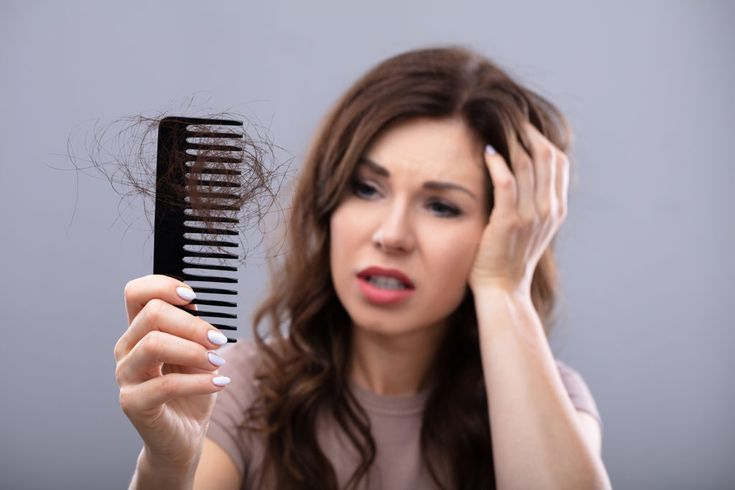
Does your hair feel rough, look dull or become difficult to manage even after you’ve washed it? Hard water could be to blame. Water with higher levels of dissolved minerals (calcium and magnesium being the main ones) will leave deposits on your hair and can affect the performance of your cleansing products. Dryness, frizz and breakage can also be the result of heat styling, chemical treatments or the wrong haircare products.
Choosing the right shampoo involves understanding your hair type, scalp condition and washing habits. A suitable shampoo can remove everyday dirt and excess oil while helping your hair remain manageable. If you regularly wash with hard water, you may also benefit from a product designed to address mineral buildup.
1. Understand How Hard Water Affects Your Hair
Hard water contains dissolved minerals that can interact with cleansing products and accumulate on hair over time. Depending on your hair type and washing routine, this may contribute to a rough texture, reduced shine or hair that feels coated after washing.
Mineral deposits can also make some people feel that their shampoo is not lathering or rinsing as expected. Those with coloured, curly or chemically treated hair may be particularly concerned about dryness and manageability, although the effects vary from person to person.
It is important to distinguish mineral buildup from other hair concerns. A dry scalp, product residue, frequent heat styling and harsh cleansing formulas can cause similar symptoms. If your hair consistently feels coated despite rinsing thoroughly, consider whether your water quality or styling products could be contributing to the problem.
2. Choose a Shampoo That Matches Your Hair and Scalp
The best shampoo for everyday use depends on what your scalp needs and how your hair behaves after washing. A product that works well for oily roots may leave dry lengths feeling uncomfortable.
- Oily scalp: Look for a shampoo that cleanses excess sebum effectively without leaving your scalp feeling irritated. If you wash frequently, choose a formula that suits regular use.
- Dry or frizzy hair: A gentler shampoo may help reduce the feeling of dryness. Pair it with a suitable conditioner, particularly on the mid-lengths and ends.
- Curly or textured hair: Consider a cleanser that removes buildup without leaving your curls feeling excessively stripped. Follow with conditioner to support softness and manageability.
- Coloured or chemically treated hair: Look for a shampoo formulated for treated hair and follow any care instructions provided by your stylist or product manufacturer.
Your scalp and hair lengths may have different needs. For example, oily roots can coexist with dry ends. Focus shampoo on the scalp, where oil and residue accumulate, and allow the lather to pass through the lengths as you rinse.
3. Consider a Clarifying or Chelating Shampoo
If hard water is a regular concern, a chelating shampoo may be worth considering. Chelating ingredients are designed to bind certain metal ions, helping remove mineral deposits from hair. Clarifying shampoos, meanwhile, are generally intended to remove product residue and excess buildup. Some products perform both functions, but the terms are not interchangeable.
Check the product label rather than relying only on claims such as “deep cleansing” or “detox”. Look for clear information about mineral removal and follow the recommended frequency of use.
These shampoos may be more intensive than your regular cleanser, so they are not necessarily the best choice for every wash. Frequent use can leave some hair types feeling dry or rough. If your hair is coloured, bleached, curly or particularly fragile, check whether the product is suitable for your hair and consider asking a haircare professional for advice.
4. Check the Formula Before Buying
A shampoo’s ingredients and intended use can help you decide whether it fits your routine.
- Cleansing agents: These remove oil, sweat and dirt. If your scalp is sensitive or your hair is dry, choose a formula that cleans effectively without causing persistent tightness or irritation.
- Chelating ingredients: Ingredients such as disodium EDTA or tetrasodium EDTA may help bind certain minerals. Their presence alone does not establish how effectively a finished product removes hard-water deposits.
- Conditioning ingredients: Some shampoos contain ingredients that improve slip and reduce the feeling of roughness. However, conditioner after washing may still be needed, particularly for dry lengths.
- Fragrance and potential irritants: If your scalp reacts easily, review the ingredient list and consider a fragrance-free option.
Avoid choosing a product based on one ingredient alone. The overall formulation, instructions and compatibility with your hair matter just as much.
5. Build a Practical Everyday Haircare Routine
Using the right shampoo is only part of managing hard-water hair. A consistent routine can help you identify what works without introducing too many products at once.
- Wet your hair thoroughly: Use lukewarm water rather than very hot water, which can make dryness feel worse.
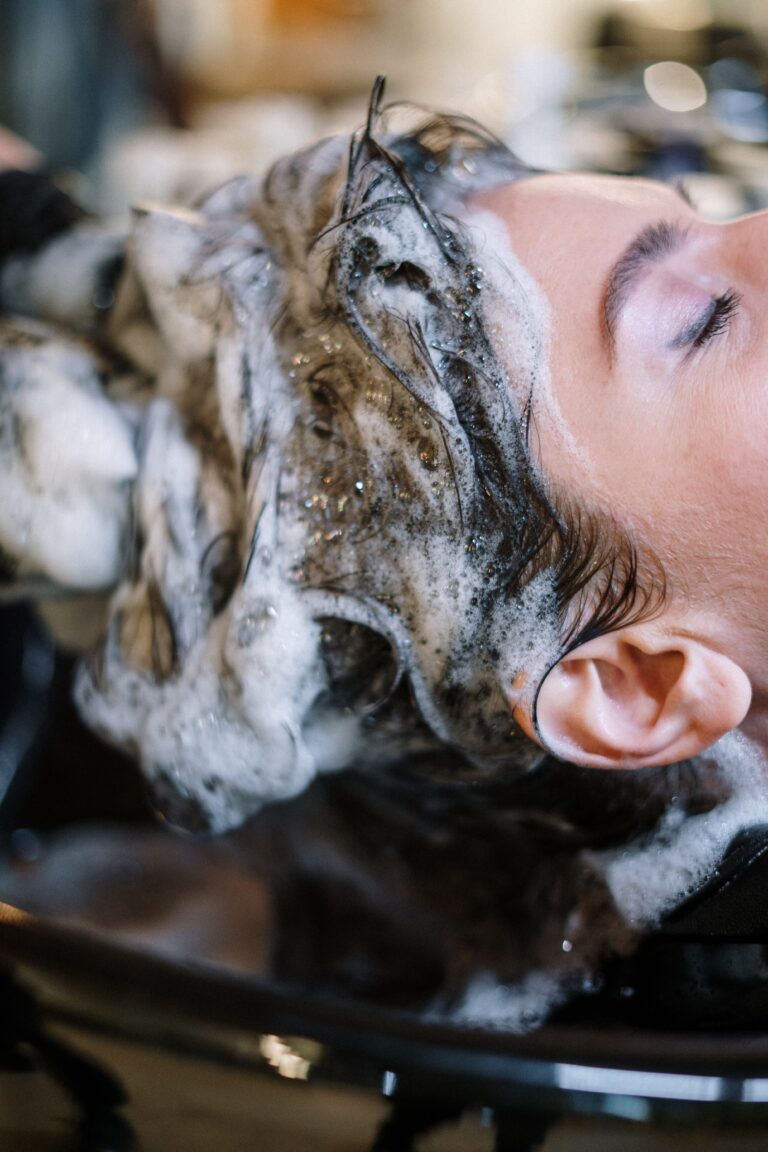
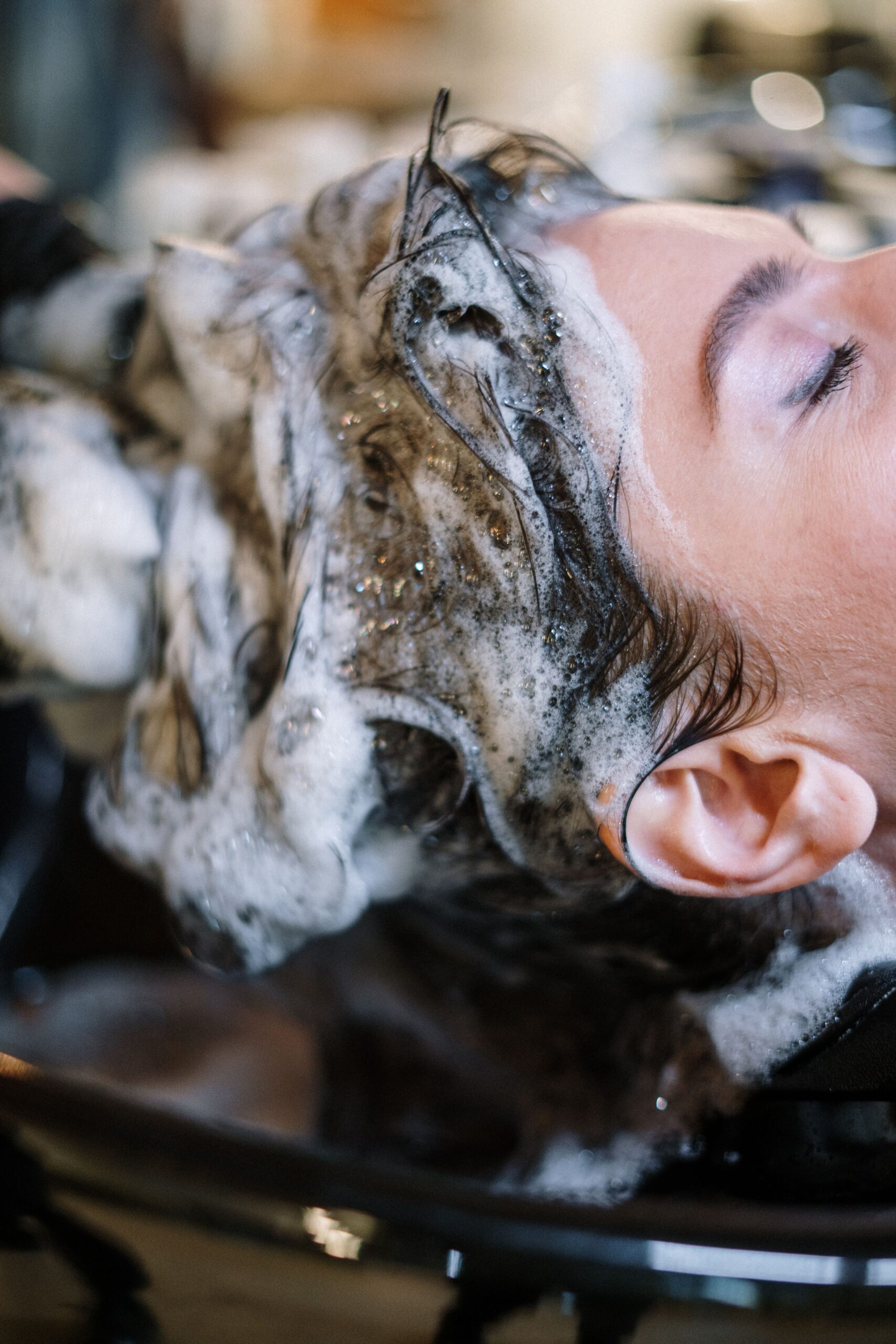
- Cleanse the scalp: Massage shampoo gently with your fingertips. Avoid scratching with your nails or aggressively rubbing the hair lengths.
- Rinse thoroughly: Take enough time to remove shampoo residue, especially around the nape of the neck and behind the ears.
- Condition the lengths: Apply conditioner mainly to the mid-lengths and ends, following the product instructions.
- Use targeted cleansing when needed: If mineral or styling-product buildup remains a concern, consider a suitable clarifying or chelating shampoo at the recommended intervals rather than using a stronger cleanser at every wash.
If you suspect hard water is affecting your hair, you can also check local water-quality information or use a suitable water-hardness test. This may help you decide whether a mineral-removal product is relevant to your situation.
Conclusion
Choosing the best shampoo for hard water starts with understanding your scalp, hair texture and washing routine. Use a regular shampoo that cleans effectively without causing discomfort, and consider a chelating formula if mineral buildup is a genuine concern. Pair cleansing with conditioner, rinse thoroughly and follow product instructions. A balanced routine is more useful than relying on a single shampoo to solve every hair problem.
Frequently Asked Questions
- Can hard water cause hair fall?
Hard water may contribute to roughness, tangling and breakage for some people, but it should not automatically be considered the cause of hair loss from the roots. Persistent or sudden hair shedding warrants advice from a healthcare professional.
- Can I use a chelating shampoo every day?
Not necessarily. Chelating shampoos can be more intensive than everyday cleansers. Follow the label and adjust frequency according to your hair’s response.
- Is a clarifying shampoo the same as a hard-water shampoo?
Not always. Clarifying shampoos generally target product residue and excess buildup, while chelating formulas are designed to bind certain minerals. Check the product’s stated purpose and ingredients.
- How can I tell whether my hair is affected by hard water?
Hair that feels coated, rough or difficult to manage may indicate buildup, but these signs have other possible causes. Checking your water hardness and reviewing your product routine can help narrow down the cause.
- Should I use a conditioner after shampooing?
For most people with dry, frizzy, curly or treated hair, conditioner helps improve softness and manageability. Choose a formula suited to your hair and apply it mainly to the lengths and ends.
About the Author