
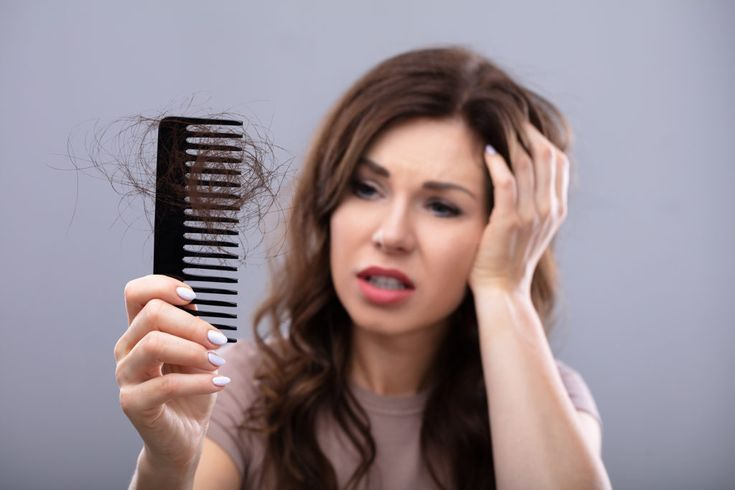
Why do some people feel encouraged after a few sessions, while others keep waiting for visible change? Hair regrowth is rarely a straight-line process. It depends on follicle activity, scalp condition, suitability, aftercare, and how early thinning is addressed.
An effective hair fall treatment should be measured by its timeline, not by immediate visible results. Platelet-rich Plasma (PRP) based care usually follows a staged process where blood-derived plasma is prepared, applied to targeted scalp areas, and supported with aftercare discipline.
Let’s understand how the timeline usually unfolds and what should be evaluated before expecting visible results.
Understanding the Month-by-month Hair Fall Treatment Timeline
Every stage of a hair fall treatment journey can feel different, which makes timing an important part of the decision. Below is a month-wise breakdown to help you track progress with realistic expectations.
Month 1: Diagnosis and Early Adjustment
The first month is mostly about building the right foundation. A proper plan begins by identifying the cause of hair fall, such as hormonal changes, nutritional deficiencies, stress, scalp inflammation, or genetic thinning. Scalp condition, hair density, and medical history are usually reviewed before any procedure or topical regimen begins.
Visible change is uncommon at this stage. In some cases, shedding may continue briefly as follicles adjust to new stimulation. This does not always mean the treatment is failing. The focus in month one is to get the diagnosis right. It also includes choosing the right treatment area and building a plan that fits the person’s scalp and hair loss pattern.
Month 2: Follicle Stimulation Begins
By the second month, the biological process starts becoming more active. In PRP-based care, the required plasma is prepared using a small blood sample. The sample is processed through centrifugation to separate and concentrate platelets, which contain growth factors that support follicle activity.
Before application, a topical numbing cream may be used to make the session more comfortable. The concentrated plasma is then applied or injected into targeted scalp areas where thinning is visible. At this stage, growth factors begin signaling inactive or weakened follicles to move toward a more active growth phase.
Most changes are still happening beneath the scalp, so visible improvement may not appear yet. This is where a structured hair fall treatment plan requires patience, because the quiet stimulation phase often determines how well the coming months progress.
Month 3: Reduced Shedding Becomes Noticeable
Around the third month, many people begin noticing less hair fall during washing, brushing, or styling. This is often the first practical sign that the treatment is beginning to work, even if new growth is not clearly visible yet.
Scalp texture may also feel calmer if irritation, dryness, or inflammation contributed to the problem. This is a good time to take comparison photos under similar lighting. Day-to-day change can feel slow, but monthly images often show early improvement more clearly.
Month 4: Early Signs of New Growth
By month four, fine and short strands may start appearing around the hairline, crown, or thinning patches. These early hairs are usually delicate and may not immediately add visible density, but they suggest that follicles are responding.
Growth at this stage can be easy to miss under normal lighting. A close scalp check or clinical review may show progress before it becomes obvious in the mirror. The goal is not a dramatic transformation yet, but a steady follicle response.
Month 5: Density and Thickness Improve
The fifth month usually brings more noticeable improvement. Hair fall may reduce further, and newer strands may begin gaining strength and thickness. Areas that looked sparse earlier can start appearing fuller, especially when sessions and after-care instructions have been followed consistently.
At this stage, the success of a hair fall treatment plan also depends on how well post-session care is followed. Since PRP falls under the non-surgical category and usually involves no downtime, most people can return to routine activities soon after the session.
However, patients are often advised not to wash their hair for 3-4 days after treatment. Vigorous exercise, swimming, alcohol intake, and direct sun or heat exposure may also be avoided for a short period, based on clinical advice.
Month 6: Consolidated, Visible Results
By six months, many well-managed hair fall treatment plans show visible results without close inspection. Reduced shedding, improved scalp coverage, and better strand thickness may become easier to notice.
However, results vary from person to person. The severity of hair loss, follicle health, medical suitability, treatment accuracy, and consistency all influence the outcome. Some people may notice a visible improvement around six months. For others, this stage may help decide the next maintenance plan.
Factors That Influence Hair Fall Treatment Results
Timelines are a helpful guide, but several variables determine whether someone lands on the faster or slower end of the range. A few factors consistently make the biggest difference.
- Severity and stage of hair loss at the start, since early intervention generally responds faster than advanced thinning.
- Consistency with the recommended session schedule or product routine, since skipped sessions slow the growth cycle.
- Underlying health factors, such as hormonal imbalance, thyroid function, or nutritional deficiencies, need separate management.
- Quality of technique and equipment used during any in-clinic hair fall treatment, since this affects how well the biological signal reaches the follicle.
- Aftercare compliance is important after each session. Avoid washing your hair for three to four days. Skip vigorous exercise for at least one day. Also, avoid swimming, alcohol, and excessive sun or heat exposure for about a week.
- Realistic goal setting, since expecting dramatic change within weeks often leads to premature discontinuation of an otherwise effective plan.
Setting Realistic Expectations Going Forward
Hair fall treatment works best when expectations are practical from the start. It is rarely a quick fix, and the strongest outcomes usually depend on accurate diagnosis, consistent technique, and clear after-care guidance. Instead of focusing only on fast results, people should understand what progress may look like across six months.
For someone comparing treatment options, clinic-led wellness providers such as VLCC can bring more structure to the decision-making process. With 33+ years of legacy and 150+ centers, this consultation-led approach helps people understand their scalp condition before choosing a plan. Before starting, ask about session frequency, expected milestones, suitability, and after-care. This clarity can make the hair fall treatment journey more informed, realistic, and easier to follow.
About the Author