Checking the pH of homemade soap is a subject that often confuses both newcomers and experienced soapmakers. Some approaches recommend using simple pH strips, while others recommend indicator solutions or even the old tongue test. Because of all the conflicting opinions that exist on the process, it is hard to do.
Knowing what pH means, why soap has alkaline properties, and how to test the pH the right way allows soap makers to make better choices when creating soap.
Meaning of pH for Soapmaking
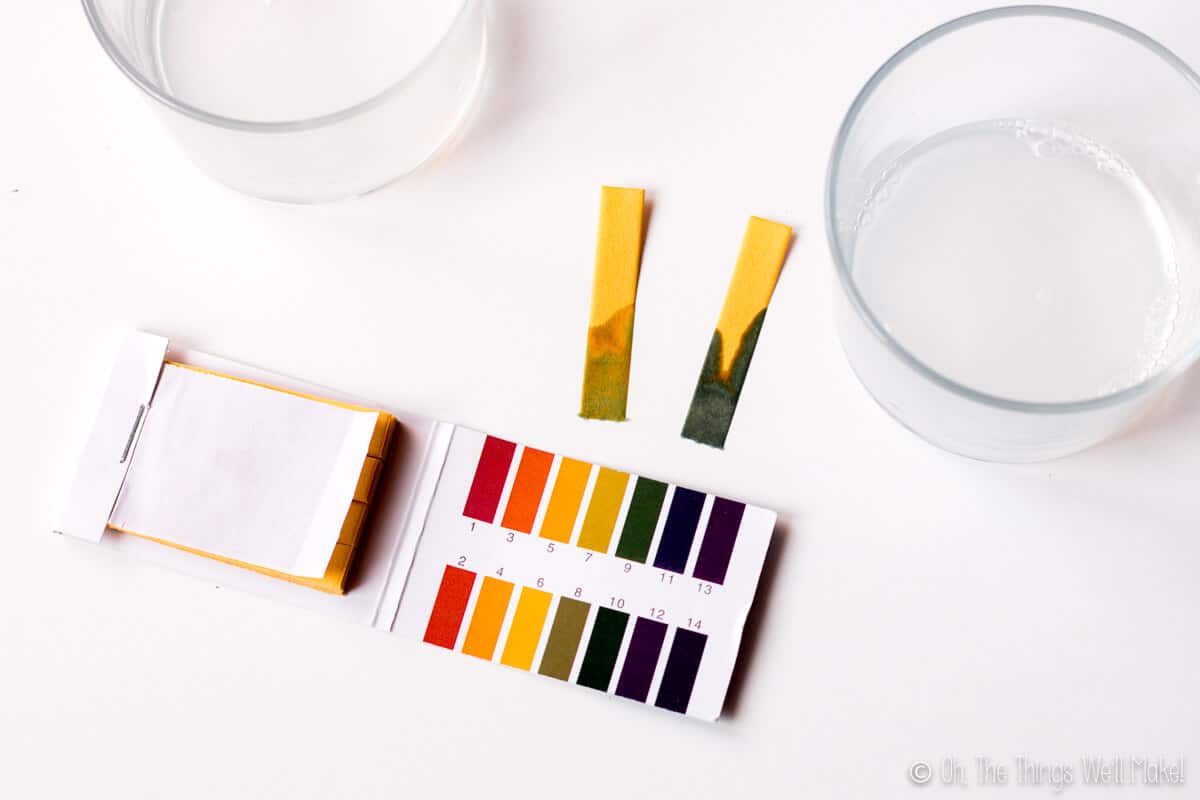
The pH measures the amount of hydrogen ions present in the water-based solution. In general, it is a scale that ranges from 0 to 14, which means that pH values below 7 signify acidic conditions, 7 signifies neutral, and values higher than 7 signify alkaline conditions.
Traditional handmade soap is alkaline by nature because it is obtained through the saponification process (the interaction of fat/oil with alkali). The pH of typical soap may vary from approximately 8-10, but the actual pH value depends on the formula used and testing conditions.
One important point is that pH alone does not determine whether a soap is gentle or irritating. Skin has a naturally acidic surface environment, but the effect of a cleanser also depends on its ingredients, contact time, and how it is used. A pH reading should therefore never be treated as a complete measure of product quality or skin compatibility.
Why Should You Test Handmade Soap?

Many soapmakers use pH testing to check whether a batch contains excess lye. However, this method has limitations. A soap can show a seemingly normal pH even when small amounts of unreacted alkali are present. Uneven mixing, incomplete saponification, or separation within the batch can also produce inconsistent results.
Testing can still be useful when investigating unusual liquid pockets, crystals or other unexpected changes in a batch. It can also form part of a broader quality-control routine for soap businesses. However, pH testing cannot independently confirm that a soap is free from excess alkali. A properly calculated formula, accurate weighing, careful manufacturing records and suitable chemical testing are more dependable safeguards.
Common Soap pH Testing Methods
1. Tongue or zap testing
This traditional technique involves touching soap to the tongue to check for an electric-shock-like sensation. It is sometimes used to detect free alkali, but it is unsafe and unhygienic. Never put potentially lye-heavy soap in your mouth. This method should not be part of a professional manufacturing process.
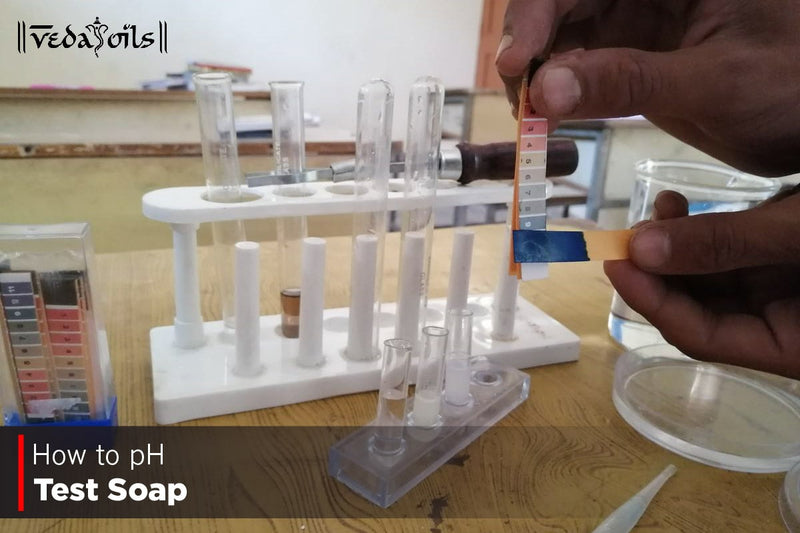
2. pH testing strips
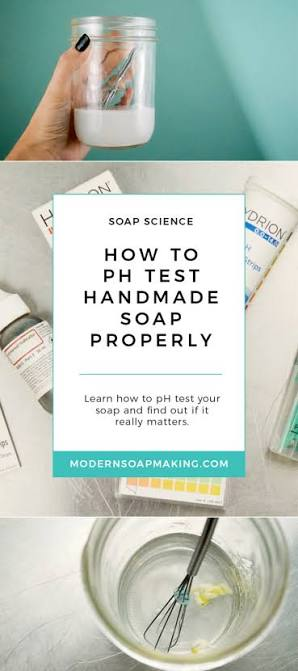
Strips are inexpensive and convenient, but soap can interfere with their indicator dyes. Applying water directly to a bar also creates inconsistent results because the amount of dissolved soap is not controlled. If strips are used, choose suitable laboratory-quality products and test a prepared solution rather than rubbing a strip over a wet bar.
3. Phenolphthalein indicator
This chemical indicator changes from colourless to pink within a particular alkaline pH range, approximately 8.2–10. It can help during certain neutralisation procedures, but it cannot distinguish between every normal and excessively alkaline soap. A pink result does not automatically mean a batch is unsafe.
4. Digital pH meters
A properly calibrated meter can provide more consistent readings than basic strips. However, the sample must be prepared correctly, and the instrument must be suitable for the solution being tested.
A More Consistent Way to Test Soap
For bar soap, prepare a diluted solution instead of testing the solid bar directly. One practical approach is to weigh 1 gram of finely shaved soap and mix it with 99 grams of freshly boiled distilled water. Stir until the soap disperses, then allow the mixture to cool to the temperature specified by your testing method.
Use a calibrated pH meter or suitable indicator according to its manufacturer’s instructions. Record the sample ratio, temperature, and reading so that future batches can be compared under similar conditions.
Final Thoughts
pH testing can teach you a great deal about soap chemistry, but it should not become the only measure of a successful batch. A normal reading does not prove that a soap contains no excess lye, and an unexpected result does not automatically mean the batch must be discarded.
My biggest takeaway is simple: focus on accurate formulation, safe handling, and consistent production practices first. Use pH testing as one supporting tool, investigate unusual results carefully, and seek a proper alkalinity assessment when you suspect a lye imbalance. A little scientific understanding can save both time and perfectly good ingredients.
About the Author