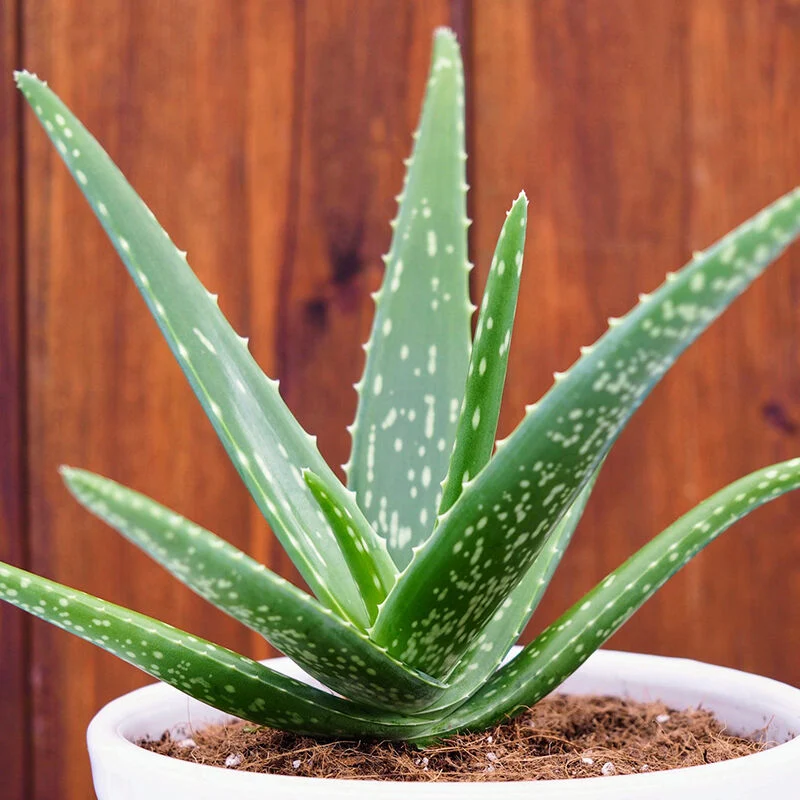
In 2026 at home made skincare which saw great growth that year we saw also a trend of people who prefer to know exactly what is in the products they use which they did so. Aloe vera is an ingredient which has been a favorite for generations. Known for its cooling and moisturizing properties, aloe is a green plant that we see in face packs, hair treatments, and everyday skincare routines.
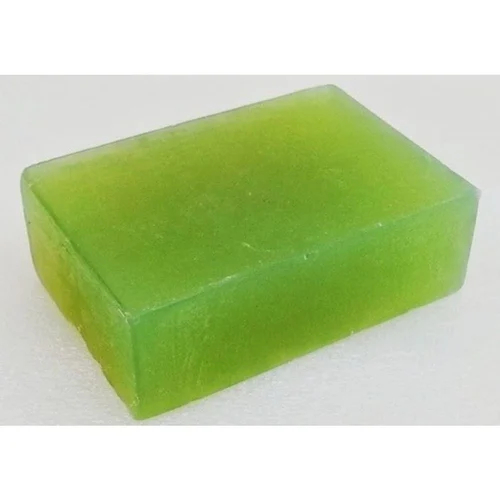
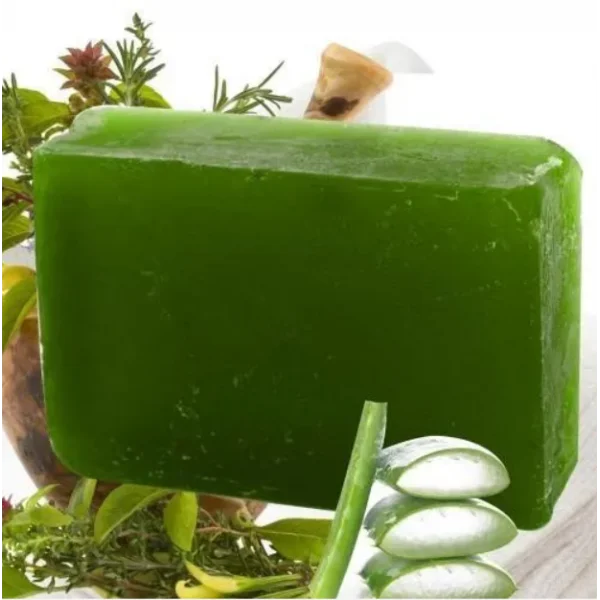
Making your own aloe vera soap at home is a simple way to use this familiar ingredient in your bathing routine. What makes homemade soap interesting is the freedom in choice of ingredients, the ability to play with scents, and to avoid unnecessary additives. Also, I find that simple skin care products are often better because they allow you to pay attention to what your skin really needs instead of jumping on every new beauty trend.
If you have an aloe vera plant at home, you can make this soap with a few easy-to-get ingredients.
Why use Aloe Vera in homemade soap?
Aloe vera is a very popular ingredient for its soothing and hydrating properties. In its natural gel form, which is what we put in products, it contains water, vitamins, and other plant-based compounds.
In soap recipes, aloe vera adds to a very gentle and invigorating bathing experience. Also, it is very much a product of choice in the summertime when people are into skincare that leaves their skin clean and comfortable.
Also, it is a fact that homemade aloe vera soap is not a solution for acne, pigmentation, eczema, or any other skin issue. Also, the results may vary based on the soap’s ingredients and the time it is in contact with the skin.
Ingredients for Fresh Aloe Vera Soap.
You don’t need a large array of ingredients to make this homemade soap. Melt and pour soap bases are what I use, which also, in turn, makes the process very easy for beginners.
Here is what you will need: the list of items you will need.
250 grams of melt and pour soap base.
1-2 tablespoons of fresh aloe vera gel.
1 dash of coconut oil or sweet almond oil.
A few drops of skin-safe fragrance (optional).
A silicone soap mould.
A clean knife and heat-resistant mixing bowl.
Choose out a fragrance which is made for soap making and follow its suggested usage rate. Also avoid the addition of large amounts of fresh aloe vera gel, as excess water will affect the soap’s texture and shelf life.
How to make Aloe Vera soap step by step.
Step 1: Extract Pure Aloe Vera Gel.
Take out a mature aloe leaf and wash it well. Cut off the outer green skin and remove the clear gel from the center. Rinse the gel out which is near the leaf skin that has a yellow latex which can irritate the skin.
Blend the gel till it is smooth. Use only the amount required for the recipe.
Step 2: Prepare the Base for Soap.
Cut up the glycerin soap base into small, equal-sized cubes. Place them in a heat-resistant bowl and melt them in a double boiler or in the microwave in short intervals.
Stir at times, which will help the soap to melt evenly.
Step 3: Add aloe vera gel.
Allow the soap base to cool a bit while it is still liquid. Add in a little aloe vera gel and stir gently.
Next up, add coconut oil or sweet almond oil. Mix all the ingredients until they are well distributed. If you like, add a suitable skin-safe fragrance.
Step 4: Into the Mold.
Carefully pour the mixture into a clean silicone soap mold. Gently tap the mold to release any air bubbles.
Leave the soap undisturbed until it is fully firm. Based on room temperature and mold size, this may take several hours.
Step 5: Remove and put away.
Once soap has set, remove it from the mold. Let it dry on a clean surface before wrapping.
Store the finished soap in a cool, dry place. As fresh aloe vera introduces extra water, which in turn affects preservation, do make small batches, use a proper soap base, and do not assume the product will have a long shelf life.
Important Tips for Better Results
A few simple precautions can make a difference in your homemade soap.
Always use clean equipment and fresh, properly prepared aloe vera gel.
Do not overdo it with aloe vera gel or oil.
Before using the soap regularly. Perform a patch test.
Do not include lemon juice or other acidic ingredients, as they will affect the soap’s formulation.
Discard the soap if you see something out of the ordinary in terms of smell, or if the color has changed or it is contaminated.
One thing to note is that what we find in fresh aloe vera gel is water, which also isn’t a preservative. In the melt-and-pour soap, which is meant to be a simple process in which you don’t have to add fresh plant materials, adding in the fresh gel puts you at risk of stability issues. For a product that will last longer, we recommend going with a professionally formulated aloe vera soap base.
Is it worth trying Homemade Aloe Vera soap in 2026?
For a person who does simple DIY skin care projects, making aloe vera soap is a very satisfying activity. It requires few ingredients, doesn’t need advanced equipment, and also allows for the use of different soap bases and fragrances.
I am a fan of using ingredients that are what you find in your everyday household skincare products. Also, it is a common thought that homemade is at the same time safer and better. What we put in, how we prepare them, and the result’s stability is as important as the recipe itself.
Final Thoughts
Fresh aloe vera soap is a do-it-yourself skincare project for those who are into natural ingredients. With a base soap and a bit of preparation time plus care in hygiene, you may make a bar that is invigorating for everyday use.
In 2026, as skincare options will be endless, the best approach is to go with simple products that are free of extra additives and pay attention to what works for your skin. Also, at that time, it will still be true that less is often more.
About the Author