Tomb Of Bahadur Shah Zafar In Yangon in 2026

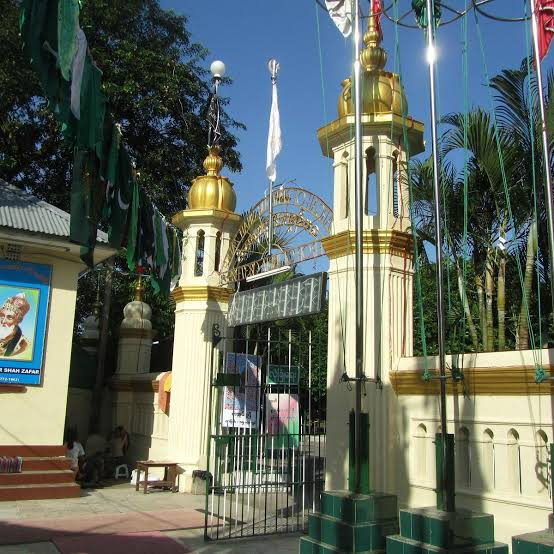
History is full of tales of kings, empires, and forgotten legacies, but in that line of stories, few equal that of Bahadur Shah Zafar, the last Mughal emperor of India. His final resting place is in Yangon, Myanmar, far from the capital that he once ruled. The Tomb of Bahadur Shah Zafar, also known as the Bahadur Shah Zafar Dargah, is a very important historical and religious site that is a draw for visitors interested in India’s colonial past.
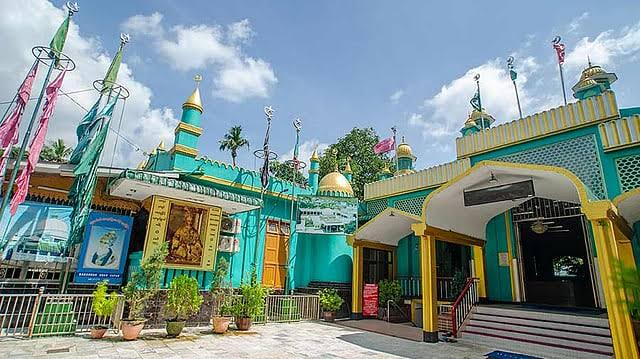
What brings out the emotion is the contrast between the emperor’s past and present. A king who once ruled from the Red Fort spent his final years in exile, far from his home.
History of Bahadur Shah Zafar
Bahadur Shah Zafar was the penultimate Mughal emperor in 1837. By then, Mughal political power had greatly diminished, but he was a figure of respect for his poetry, cultural interests, and association with Urdu literature. In the Indian Rebellion of 1857, he became a symbol of resistance to British rule.
After the revolt was put down, the British captured him and, in 1858, exiled him to Rangoon, present-day Yangon. He spent the rest of his life in prison and died on 7 November 1862. He was interred in an unmarked grave near his home, and the site of his burial was identified at a much later date.
The Tomb and Its Architecture
In Yangon, Myanmar, the tomb is a site that has grown into a memorial complex for the former emperor. It includes a shrine, prayer areas, and a burial chamber. The architecture is relatively simple, which in turn reflects the time of Zafar’s life at large rather than the great grandeur of what is associated with Mughal royal architecture.
The complex also includes the graves of his wife Zeenat Mahal and other family members. Today it is a very important site of remembrance which sees visitors from all over the world.
Religious and Historical Significance
The shrine is a major point of pilgrimage in the Sufi tradition, especially for devotees who go there to pay their respects. Also known as the last Mughal emperor, Bahadur Shah Zafar is also remembered as a poet whose works spoke of themes of yearning, loss, and separation.
His poetry, which is very much that of the exile, is well known. As for me, I am drawn to the end of his life, which I find very poignant, as it puts into perspective that history is not just made up of great victories and empires but also the very human stories of people who lived through great political change.
In 2026, how to visit the tomb
In Yangon, Myanmar, the tomb is at that location and may be accessed by local taxi or other city transport. For international travelers, it is advised that you check current visa requirements, flight availability, and local travel advisories before you set out. Also, out of respect, please be aware of the religious customs of the shrine.
Final Thoughts
The Tomb of Bahadur Shah Zafar is a point of interest beyond what is historical; it is the end of the Mughal Empire’s run and the stage on which plays out the sad story of a ruler who died abroad. In 2026, that which is left of him is still a very relevant site for history lovers, poetry fans, and travelers who also look into India’s connection with Myanmar.
About the Author