
In every way, not all of the historical monuments in Kolkata see large tourist crowds. Some are very much out of the way, surrounded by the city’s hustle and bustle, which is not aware that in their walls are stories from the past that stretch for centuries. Clive House in Dum Dum is a case in point. It stands as a legacy of Bengal’s colonial past, which is also a very interesting look into a time when Kolkata was a growing center of British power.
What is also interesting about Clive House is that its past may go back before Robert Clive’s arrival. For those who are into researching lost heritage sites, this building should be at the top of the list.
The History Behind Clive House
Despite the fact that the name may suggest it, Robert Clive did not in fact build the original structure. What the history books tell us is that a structure was standing on a raised platform which may have been put there at a time when European traders, the Portuguese and the Danes were active in the area.
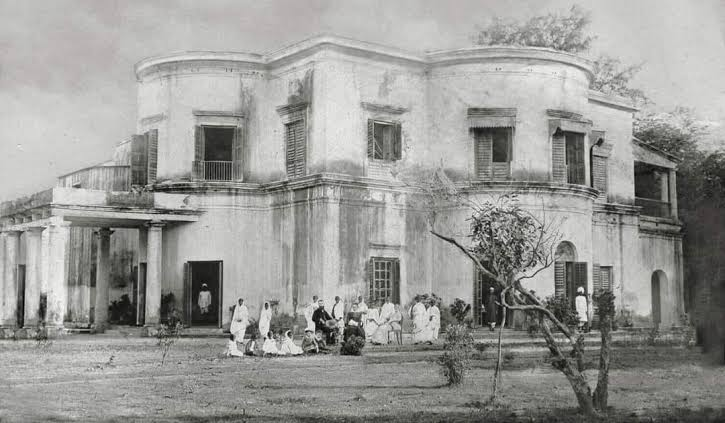
The rise of Robert Clive’s name is tied to the events of the recapture of Calcutta in 1757, which saw the city back in British hands after Siraj-ud-Daulah’s occupation. Clive is reported to have used the site as a home during his two stays in India, which were between 1757 and 1760 and 1765 and 1767.
He is reported to have enlarged the present structure, to have added a floor, to have strengthened its foundation and to have developed gardens around the property. At that time, Dum Dum was a great distance from the busy Calcutta, which made it an ideal residential location.
From the old house in Dum Dum to Clive House
After the death of Clive in India, the East India Company put out the property to auction in 1774. Also at a later date, the house came to be associated with Mutty Lall Seal, a prominent Bengali businessman and philanthropist, although the exact ownership history is unknown.
Interestingly, the building was known as Dum Dum House, which over time gave way to the name Clive House in the early 20th century. A plaque which recognized Clive’s association was reported to have been put in, but it has since disappeared.
Through the years, the property also served a variety of functions which included a ration office and home for refugee families.
Clive House in 2026–27: A Look at the Present State
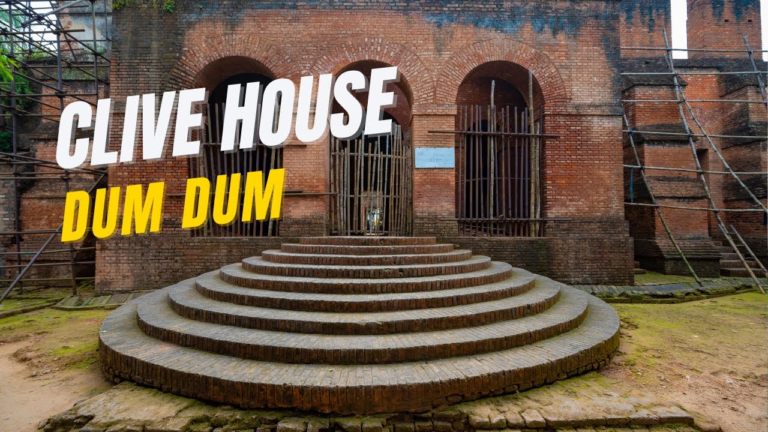
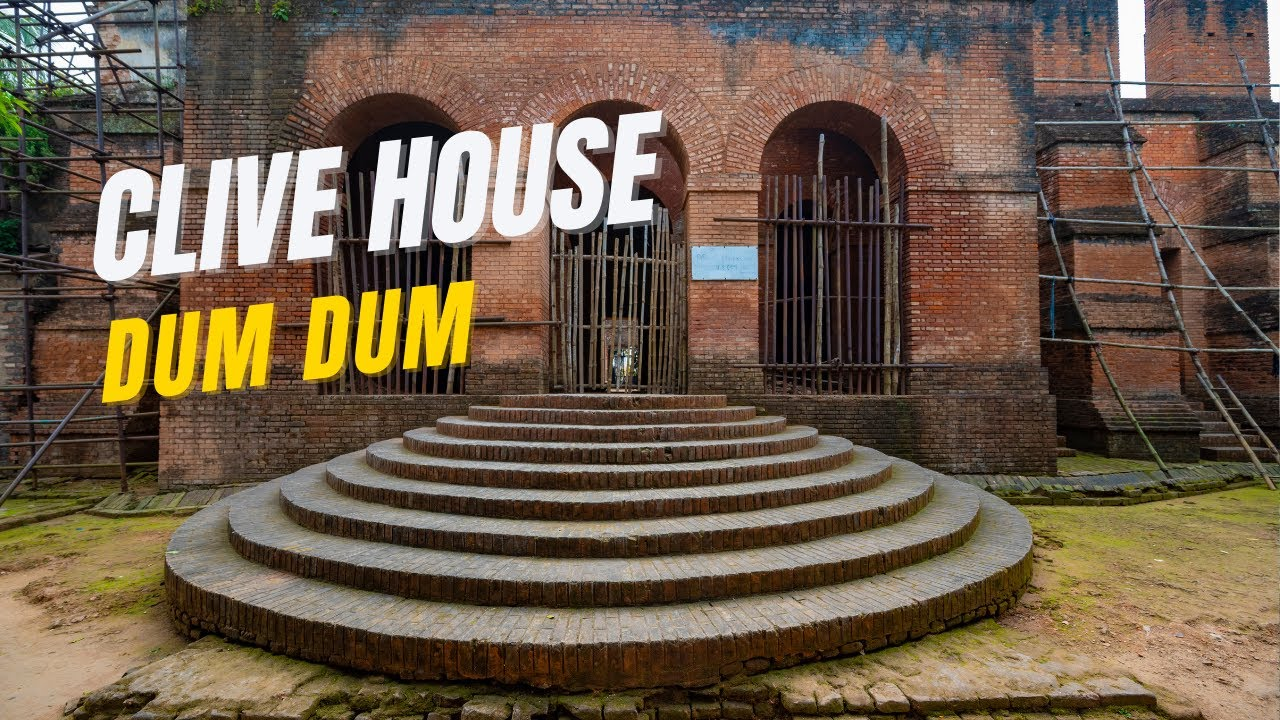
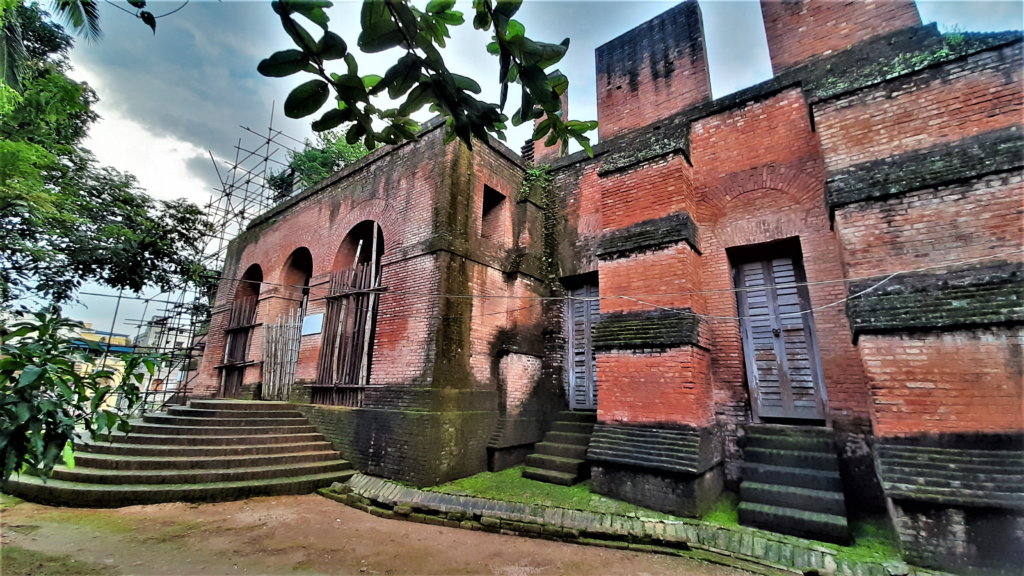
Today Clive House is a shadow of its former self. Many years of neglect, occupation and inadequate care have left it in a state of disrepair. Whole sections of the upper floor have collapsed; also, many ground floor rooms have lost their roofs.
However, what is left of its architectural beauty. In the former ballroom, which still has its pillars, exposed wooden beams, old staircases and parts of the original walls, we get a peek into its grand past.
The Archaeological Survey of India (ASI) in Kolkata Circle has reported having restored some rooms, which, however, still leaves the greater part of the property in need of conservation.
Why Clive House Deserves Attention
For me, what is most fascinating about Clive House is not that it is associated with Robert Clive but that what surrounds its origin is left to speculation. I imagine how this building was a witness to Bengal’s political transformation, which in turn makes the exploration of such sites very meaningful.
Clive House is a complex of past lives. It is a record of history, of different ownerships and the issues we face in trying to preserve our heritage as the city develops at a breakneck speed.
As the years pass and Kolkata grows, places like Clive House stand out, which we should be looking at as we develop – they are a reminder of our past which we must not forget. I hope in the coming years we see meaningful restoration and protection of this great historical site.
About the Author