
Social commerce has become an increasingly popular way to make money online in recent times. One such platform that has started emerging in India is Roposo, enabling creators and sellers to promote and earn commission on products via drop shipping. This trend is driven by many beginners discovering they can start using it without a large upfront investment, as well as focusing primarily on content creation and product promotions.
The purpose of this Roposo dropshipping tutorial is to explain how it works, whether it’s a viable way to make money, and how new business owners can get started using this method.
About Roposo Dropshipping
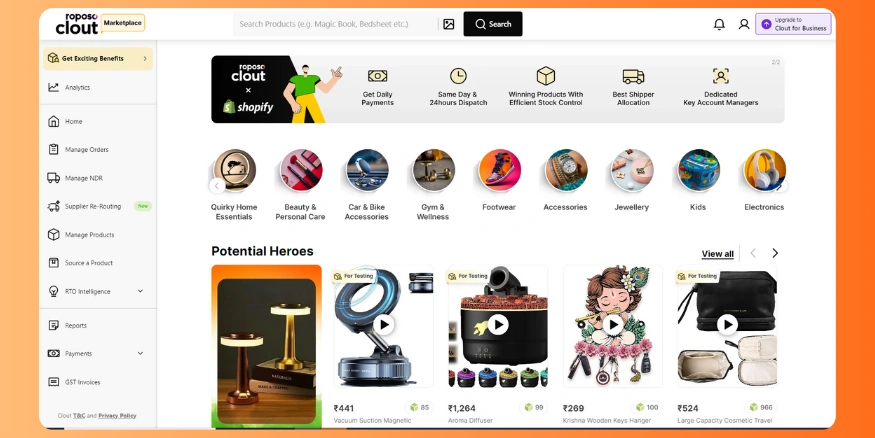
Roposo dropshipping is a business model where people advertise products on the Roposo and Glance marketplace. They earn a commission for each item sold through their content or referral link. A major advantage of this approach is that sellers don’t have to buy inventory or handle shipping logistics.
To explain this further, here is an example:
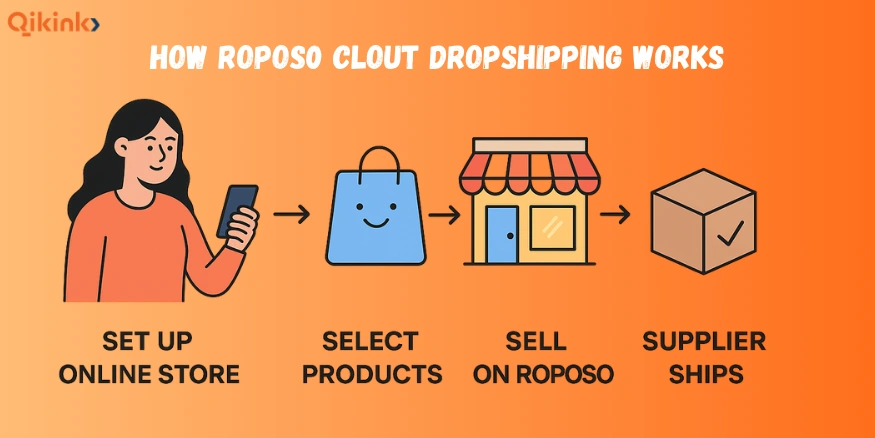
You show someone a product → The buyer purchases that product → The manufacturer ships it directly to the buyer → You earn a commission.
Thanks to the work being done for you by Roposo and its vendors, content creators only have to focus mainly on content and marketing activities.
1. Create an Account
First, you need to sign up on the Roposo or Glance creator platform. You’ll need to enter your name, phone number, email address, and in some cases, your social media accounts to register for the affiliate program.
2. Select Products to Sell
After registering, you’ll find that you have access to countless different products in a wide variety of niches. Each product will give you an indication of what your commission will be for each sale you refer to them.
3. Create and Share Content to Sell Products
Typically, the content created will be in the form of short videos and reviews. The content will then be promoted through social media and other online platforms such as WhatsApp, Instagram, Facebook, and many more.
4. Customer Purchases The Product
When the customer purchases your video and the product link embedded in your video, the supplier will then dispatch the product from their own distribution centers.
5. Receive Commission
Upon the successful delivery of the product, your commission will be credited to your wallet.
Is It Profitable to Dropship with Roposo?
It is profitable if you are consistent in your efforts. The amount depends on the number of videos created, the type of products promoted through the videos, and the response from the audience.
Income Level:
Income level may vary as follows:
Beginners: ₹10,000 to ₹15,000
Regular creators: ₹25,000 to ₹50,000
Experienced sellers or live streamers: ₹1 lakh or more
However, one should put consistent effort into creating creative content while promoting trending products.
Popular Product Categories:
There are certain categories of products that have performed well on Roposo as they can be promoted through video content.
Some popular categories of products on Roposo are:
Fashion products like kurtis, shirts, etc.
Beauty products
Jewelry products like watches and accessories
Home decor products
Kitchen products
Fitness products
Personal care products
These types of products have performed well on Roposo as they have a high demand and low return rates.
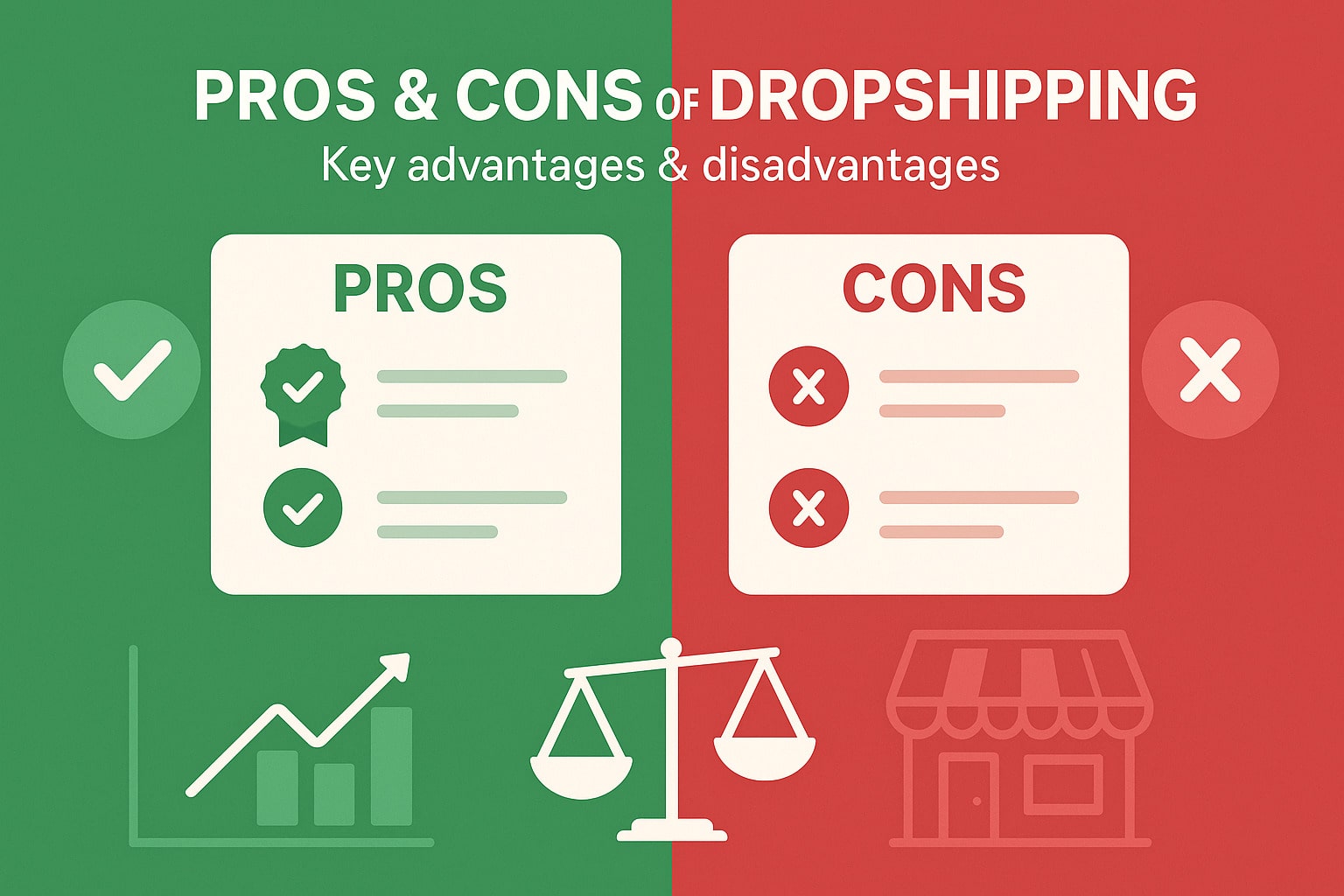
Advantages of Roposo Dropshipping
The advantages offered by Roposo Dropshipping are:
No investment is required to start a business on Roposo.
It is easy to start a business on Roposo for a newcomer.
One gets paid for each sale made through the platform.
There is already a customer base present on the platform.
There is no need to arrange for the delivery of the product.
It is the best platform for students, part-time earners, and content creators.
Challenges to Consider
The platform has a few disadvantages as well.
The competition on Roposo is high because many content creators endorse these products.
The commission received for each sale might be low for certain products.
The quality of products can be a challenge because earnings on Roposo are based on algorithms.
The creators need to establish a relationship with their audience because of these challenges.
About the Author