
The warehousing sector is moving from predominantly manual material movement towards automated systems as e-commerce, organised retail, manufacturing, and third-party logistics increase pressure on warehouse operations. As goods move through receiving, storage, picking, sorting, staging, and dispatch, businesses need movement processes that remain consistent as volumes increase and operational requirements become more complex.
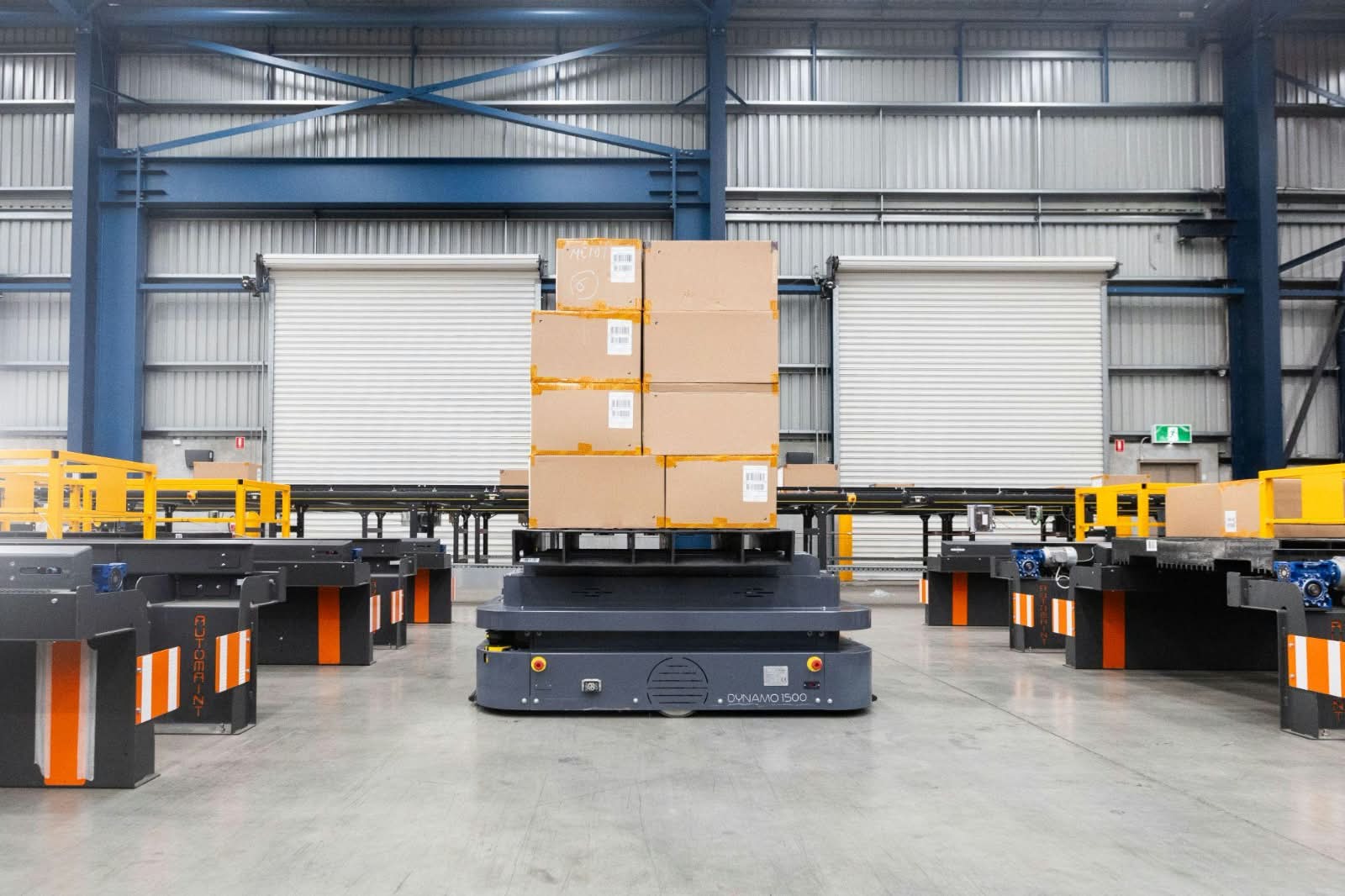
An automated material handling system is becoming an important part of this transition by helping Indian warehouses move goods more consistently across these stages. Autonomous Mobile Robots (AMRs) will constitute 80% of industrial robots by 2027, while their number in factories is expected to reach 15 million by 2030. Expectations around speed, accuracy, space utilisation, and operational visibility are making automation relevant across a wider range of warehouse environments.
India’s Warehousing Expansion Is Creating Greater Demand for Automated Material Movement
Growth across e-commerce, retail, manufacturing, consumer goods, pharmaceuticals, and third-party logistics is increasing warehouse volume and complexity. Higher throughput requirements place greater pressure on manual material movement, particularly where goods travel repeatedly between storage, picking, packing, sorting, and dispatch areas.
An automated material handling system creates consistent movement flows as operations expand. Warehouses can waste up to 30% of operational costs due to inefficiencies, making movement efficiency increasingly relevant as volumes increase.
- Higher throughput: Repeated movement between operational zones places greater pressure on manual handling.
- Increasing complexity: More goods and processes require coordinated movement between different warehouse areas.
- Repeated travel: Frequent movement between storage, picking, packing, sorting, and dispatch can increase operational pressure.
These requirements make material movement increasingly important as Indian warehouses expand. Operators can organise flows around the way goods enter, move through, and leave the facility.
For more details, download Addverb’s Whitepaper – The True Cost of Not Automating Your Warehouse.
Automated Material Handling Is Transforming the Movement of Goods Across the Warehouse
Conveyors, automated storage and retrieval systems, mobile robots, sortation systems, and automated picking technologies can connect different stages of warehouse movement into a more coordinated flow. An automated material handling system can reduce unnecessary manual travel and enable goods to move between operational zones with greater consistency, creating predictable execution across inbound movement, replenishment, picking, sorting, staging, and dispatch.
The practical value of these technologies comes from connecting activities. Inbound goods need to reach storage, inventory needs to move towards picking, completed orders need to pass through sorting and staging, and outbound movement needs to remain coordinated with dispatch requirements. Connecting these stages creates a more continuous flow across the warehouse.
Space Utilisation, Throughput and Accuracy Are Becoming Central to Warehouse Performance
As Indian warehouse operators seek greater productivity from existing facilities, automated material handling can create more structured movement and better use of available warehouse space. Automated movement reduces unnecessary handling and creates more predictable material flows, which can contribute to inventory accuracy and order fulfilment as operational requirements increase.
| Warehouse requirement | Material handling response | Operational relevance |
| Higher throughput | Coordinated movement between zones | Helps manage increasing goods volumes |
| Better space utilisation | Structured movement and storage | Makes existing facilities more productive |
| Inventory accuracy | Controlled material flows | Reduces unnecessary handling |
| Order fulfilment | Predictable movement to work areas | Connects picking, sorting, staging, and dispatch |
The combined effect matters where increasing throughput cannot depend solely on adding floor space or manual labour. Structured movement can help warehouses organise capacity around goods flow, while consistency becomes increasingly important as volumes and fulfilment requirements rise.
The Shift From Manual Handling to Connected Warehouse Automation
With the help of warehouse automation, 70% of businesses achieved higher throughput and met rising demand with fewer errors. Warehouses are increasingly moving towards connected operations in which material handling equipment, storage systems, robotics, and warehouse software work together rather than functioning as isolated technologies.
Software-driven coordination allows warehouse activities to respond more dynamically to changing requirements:
- Inventory requirements: Movement can be aligned with changing stock needs.
- Order priorities: Activities can respond to changing fulfilment requirements.
- Material flows: Equipment and software can coordinate movement across connected processes.
This connected approach creates a foundation for scaling automation as warehouse requirements evolve, without treating every material movement challenge as a separate operational problem.
Addverb’s Role in Advancing Automated Material Handling in Indian Warehouses
Addverb provides automated material handling technologies spanning material movement, storage, picking, sortation, and warehouse software, enabling Indian warehouses to build automation around operational requirements. Its portfolio includes automated storage and retrieval systems, conveyors, sortation systems, and mobile robotics that can address different stages of warehouse material flow.
An automated material handling system from Addverb’s portfolio can form part of coordinated warehouse operations in which movement is connected with storage, picking, sortation, and downstream fulfilment. This approach aligns movement with throughput, space utilisation, inventory flow, and fulfilment performance, allowing technologies to function as connected parts of warehouse operations.
Conclusion
Automated material handling is becoming an important part of warehousing infrastructure as businesses demand faster, more consistent, and scalable movement of goods. The transition extends beyond replacing manual tasks; it is reshaping receiving, storage, picking, sorting, and dispatch as connected processes.
As warehousing continues to evolve, automated material handling systems will remain central to building facilities capable of handling increasingly complex supply chain requirements. Addverb brings together technologies across material movement, storage, picking, sortation, and software, reflecting the broader shift towards connected warehouse operations and helping facilities create more coordinated processes as volumes and fulfilment requirements continue to evolve.
About the Author