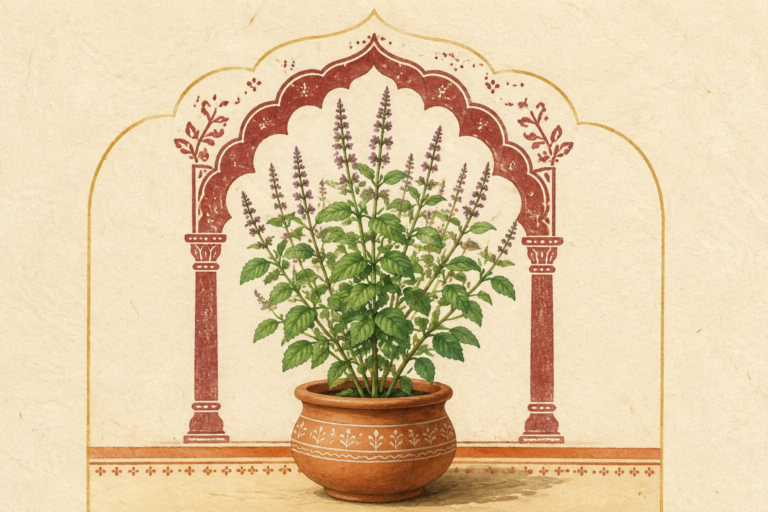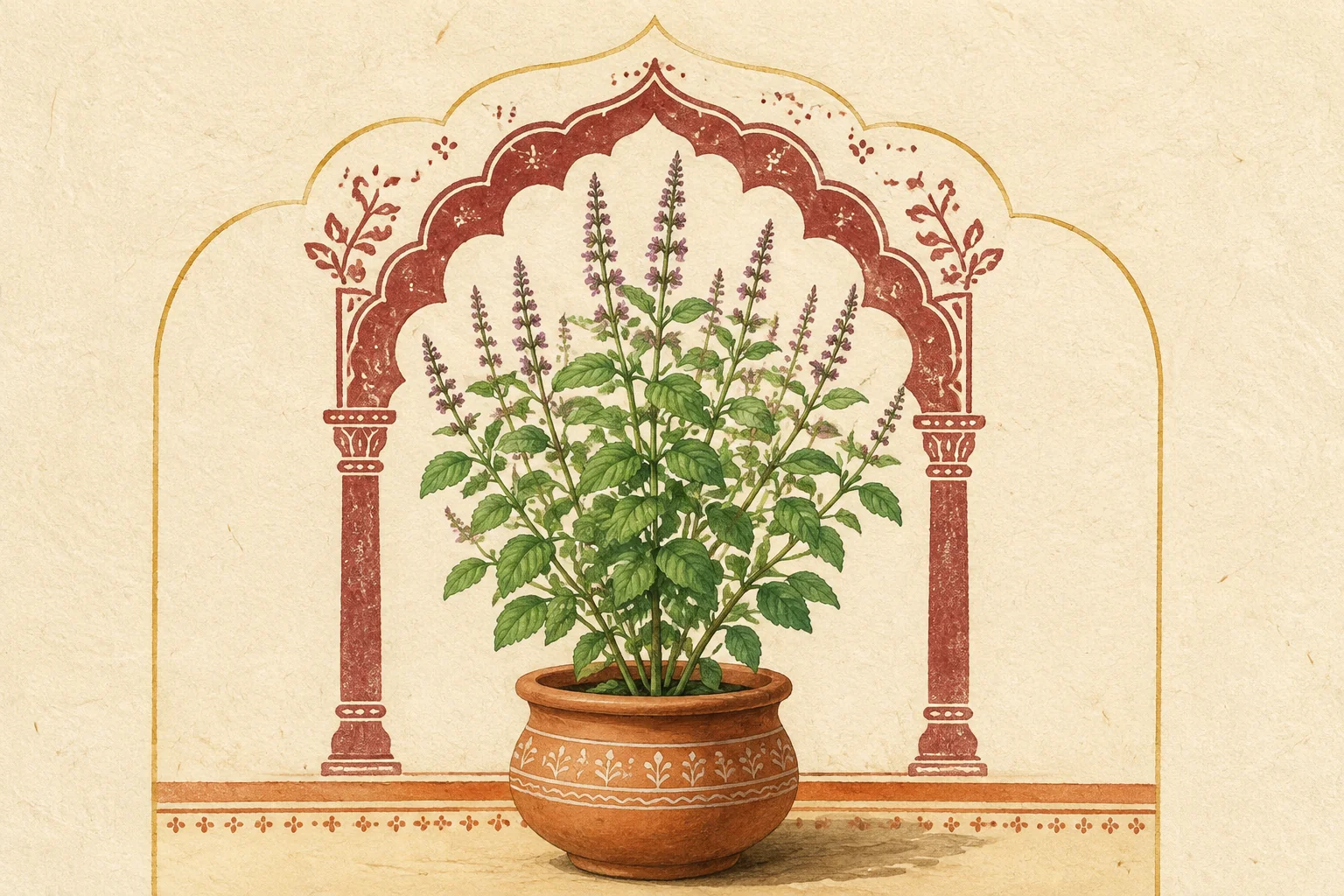

India is a country that is home to very diverse and living traditions, faiths, and family values through our festivals. In that regard, we have, for example, the festival of Tulsi Vivah, which is a very special occasion in the Hindu calendar that sees the symbolic marriage of Goddess Tulsi to Lord Vishnu. Very much a family affair, this is a very sacred event which is very much a part of the fabric of the average Hindu home. For many families, the decorating of the Tulsi plant and the performance of the wedding rituals is a very cherished tradition which in turn brings peace and togetherness.
In 2026, the celebration of Tulsi Vivah will be on the date of Saturday, 21 November, to be exact on Kartik Shukla Dwadashi.
Tulsi Vivah 2026: Date and Time of Birth
Tulsi Vivah is held after Dev Uthani Ekadashi that sees the rise of Lord Vishnu out of his 4-month cosmic sleep of Chaturmas. The ritual is usually done in the evening, in fact in Pradosh Kaal. But devotees are to look into their local Panchang for the precise time, as muhurat may change by location and tithi.
| Details | Information |
|---|---|
| Festival | Tulsi Vivah |
| Date | Saturday, 21 November 2026 |
| Tithi | Kartik Shukla Dwadashi |
| Deities | Goddess Tulsi and Lord Vishnu |
| Preferred Puja Time | Evening (Pradosh Kaal) |
Significance of Tulsi Vivah
In the Hindu mythos, Tulsi was born as Vrinda, a very devoted woman known for her great faith and devotion, which in turn made her very spiritual. In a series of divine events that included Lord Vishnu and her husband Jalandhar, Vrinda became the sacred Tulsi plant. Lord Vishnu later accepted her as Shaligram and their divine union is celebrated as Tulsi Vivah.
The festival is a celebration of purity, devotion, love, and the victory of faith. It is thought that performing this ceremony brings happiness, prosperity and marital harmony. Also, in many Hindu rituals, Tulsi is an essential element, especially those dedicated to Lord Vishnu and Lord Krishna.
Tulsi Vivah Puja Vidhi: How to do the Ritual
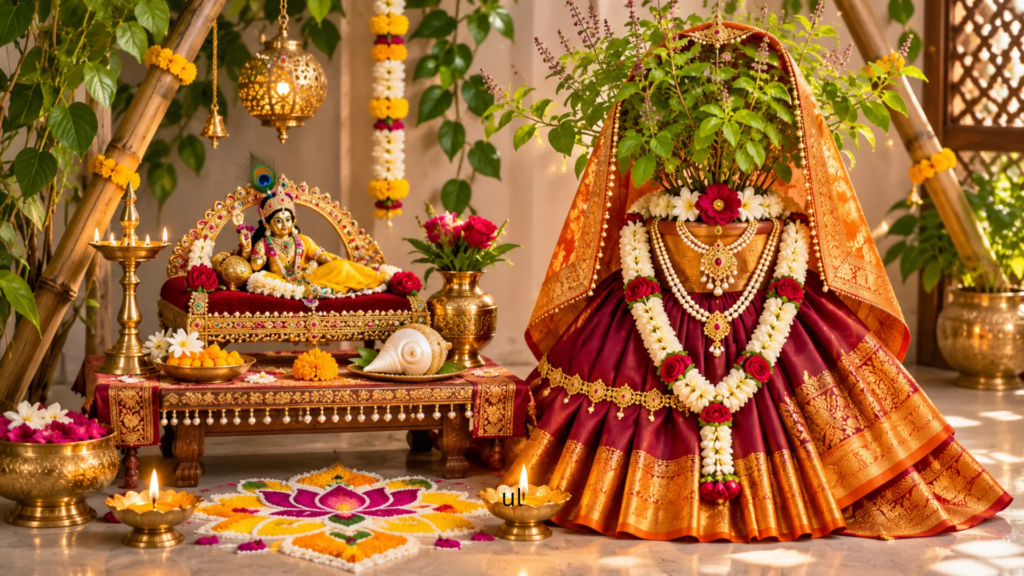
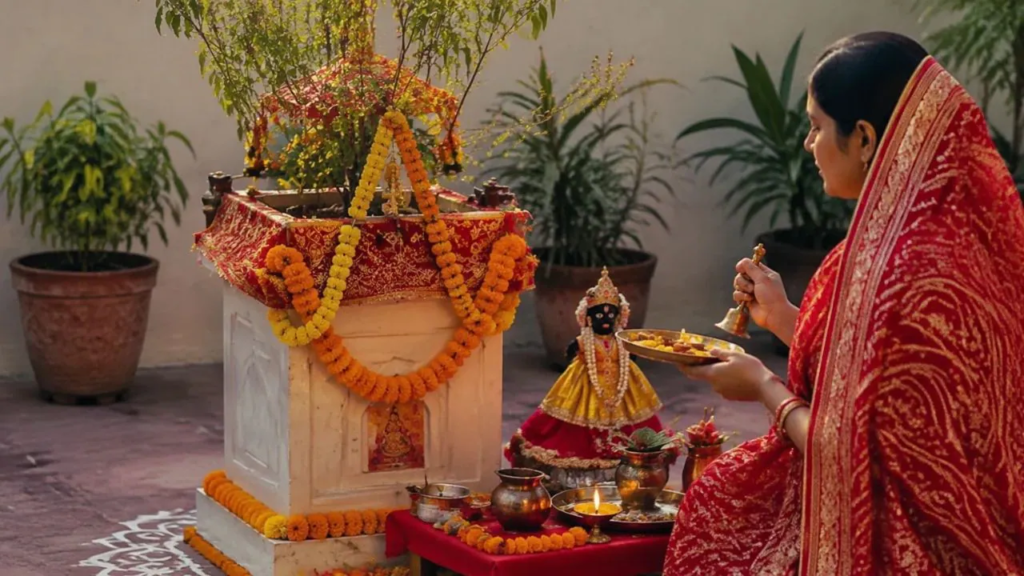
The ceremony is at home with simple arrangements and sincere devotion. In many homes, families prepare the Tulsi plant as they would prepare a bride for a traditional wedding.
The steps that need to be performed are generally as follows:
- To clean the Tulasi plant or decorate the Vrindavan. The pot also needs to be decorated with rangoli, flowers as well as canopy.
- Placing of deities: The idols of Lord Vishnu or Krishna or Shaligram stones need to be placed beside the Tulsi plant.
- Dressing the Goddess Tulsi: The plant is adorned with red chunari, bangles, vermilion, and other traditional items.
- Offerings: The diya is lit, and the offerings made include flowers, fruits, sugarcane, amla, sweets, etc.
- Performing the wedding: Performing the marriage rituals, tying of the gathbandhan, and reciting of Vishnu mantras.
- Completing the wedding: Performing the aarti and distributing the prasad among family members and the neighbors.
Why do We Celebrate Tulsi Vivah at the Start of the Wedding Season?
Tulsi Vivah also has cultural significance as it ushers in the end of Chaturmas, a time when many Hindu communities have shunned weddings and other large-scale auspicious events. After this festival, the wedding season in the Hindu tradition begins again, which in turn is a reason for great celebration for families that are planning marriages and other religious functions.
Conclusion
Tulsi Vivah is a much greater thing than the symbolic marriage of a plant and a god. It is a festival of devotion, faith, family ties, and the very root of nature in spirituality. While some may put out grand decorations or just perform a private prayer at home, the festival is a reminder that it is the love and sincerity with which we practice our traditions that make them meaningful. On 21 November 2026, devotees will do well to welcome this auspicious occasion by seeking the blessings of Goddess Tulsi and Lord Vishnu for happiness, harmony and prosperity.
About the Author