
A two-wheeler is more than just a means of transportation for millions of Indians. It is the most economical way to travel, avoid traffic jams, run errands, and get to work quickly. However, riding every day also means facing unpredictable traffic, changing weather conditions, poorly maintained roads, and the constant risk of accidents.
According to the Ministry of Road Transport and Highways (MoRTH), India recorded more than 4.8 lakh road accidents and over 1.72 lakh fatalities in 2023, with two-wheelers accounting for a significant share of road accident deaths. While factors such as speeding and reckless driving contribute to many crashes, a large number of accidents can be prevented through safer riding habits and better awareness.
Daily bike riding safety tips for commuters in India
No matter if your daily commute is five kilometers or fifty, building safe riding habits can considerably reduce the chances of accidents while making every journey less stressful. The following practices are essential routines that every commuter should adopt before and during every ride.
Always wear a certified helmet properly
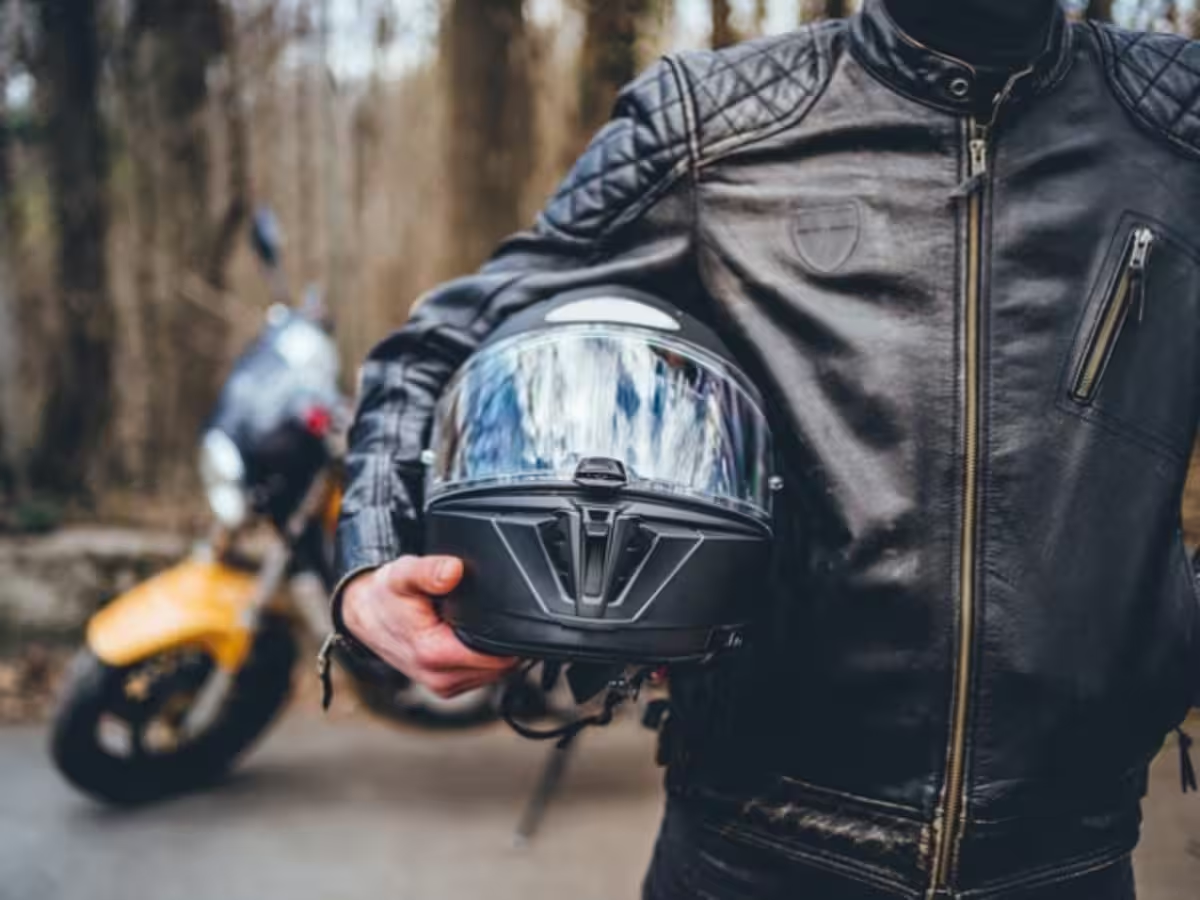
A helmet is the single most important safety gear for any rider. More importantly, it must fit correctly and remain securely fastened throughout the ride. A loose helmet or one without the chin strap fastened offers far less protection during an impact.
Choose an ISI-certified full-face helmet whenever possible, as it provides better protection for the head, jaw, and face than open-face designs. If you regularly ride with a pillion passenger, ensure they also wear a certified helmet. A short trip through familiar streets carries the same risks as a long highway ride and stay protected on every ride with the right bike insurance.
Perform a quick pre-ride safety check
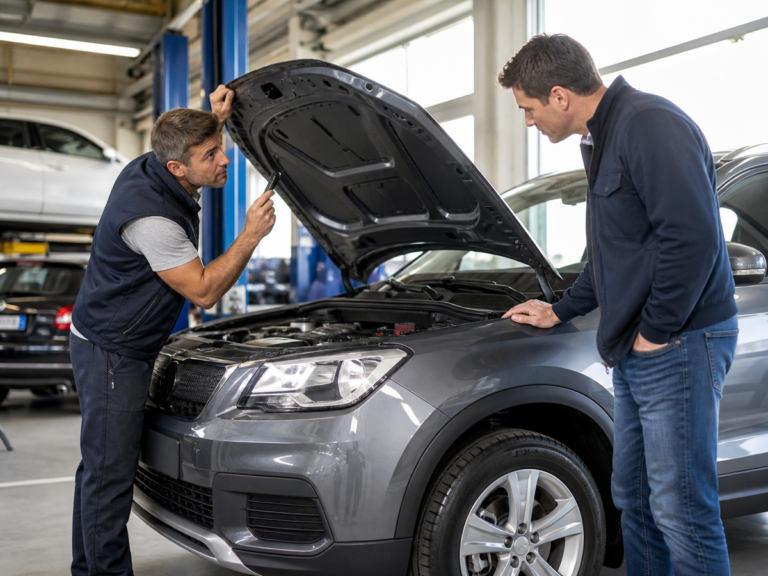
A one-minute inspection before starting your motorcycle can prevent breakdowns and even accidents. Check the tyre pressure, inspect the tread for excessive wear, confirm that both brakes respond properly, and ensure headlights, indicators, brake lights, and the horn are functioning. Also, look for signs of oil leaks or loose chains.
These quick checks become even more important if your motorcycle is used every day or covers long commuting distances.
Follow speed limits and ride defensively
Many riders assume they are skilled enough to react quickly in emergencies. In reality, higher speeds reduce reaction time and increase the severity of collisions. Maintain a speed that matches road conditions instead of simply following the posted limit. Slow down near intersections, schools, residential areas, and markets where pedestrians or vehicles may appear unexpectedly.
Defensive riding is equally important. Instead of assuming other road users will follow traffic rules, anticipate mistakes by drivers, pedestrians, and fellow riders. Maintaining a safe buffer around your motorcycle gives you valuable time to react.
Stay visible throughout your journey
One of the biggest risks for motorcyclists is not being seen by other road users. Wear bright or reflective clothing, particularly during early morning, evening, or rainy rides. Keep your headlight switched on where permitted, even during daylight, to improve visibility.
Avoid lingering in a vehicle’s blind spots. If you cannot see a driver’s mirrors, there is a good chance they cannot see you either. Position yourself where you remain visible to surrounding traffic.
Avoid mobile phone distractions
Even a two-second distraction while riding can significantly increase accident risk. Avoid checking navigation, reading messages, or answering calls while your motorcycle is moving. If you need to use GPS, set your destination before beginning the journey or stop safely before making any adjustments.
Keeping your complete attention on the road allows you to identify hazards, changing traffic patterns, and sudden braking by other vehicles much earlier.
Maintain a safe following distance
Tailgating leaves almost no room to respond if the vehicle ahead brakes suddenly. Maintain at least a three-second gap under normal conditions and increase that distance during rain, poor visibility, or heavy traffic. Larger vehicles require even greater spacing because they can block your view of the road ahead.
A proper following distance also helps you avoid loose gravel, potholes, or debris that may suddenly appear.
Ride carefully during rain and poor weather
Wet roads dramatically reduce tyre grip and increase braking distances. Waterlogging can also hide potholes, broken roads, or open drains. Reduce your speed during rainfall, brake gently instead of suddenly, and avoid sharp cornering. Painted lane markings, metal covers, and oil-covered road surfaces become particularly slippery when wet.
After riding through standing water, lightly apply the brakes to help dry them before returning to normal speeds.
Wear proper riding gear beyond the helmet
While helmets receive the most attention, other protective gear can significantly reduce injuries during a fall. Wear full-sleeved jackets, gloves, sturdy footwear, and long trousers instead of sandals or loose clothing. Reflective riding jackets improve visibility, while gloves provide better grip and help reduce hand injuries during an accident.
Good riding gear also protects against weather, dust, insects, and flying road debris, making daily commuting more comfortable.
Never ride while fatigued or under the influence
Long working hours, inadequate sleep, or alcohol consumption can impair judgement as much as speeding. Fatigue slows reaction times, reduces concentration, and increases the likelihood of overlooking hazards. If you feel drowsy, take a short break before continuing your journey.
Similarly, never ride after consuming alcohol or substances that affect alertness. Safe riding depends on quick decision-making, and impaired judgement can have serious consequences.
Keep your motorcycle properly maintained
Routine servicing plays an important role in road safety. Worn brake pads, old tyres, poor suspension, or neglected chains may not seem serious until they fail during an emergency. Follow the manufacturer’s recommended service schedule and replace worn components promptly. Pay special attention to brakes, tyres, battery health, lights, engine oil, and chain lubrication if you commute daily.
A well-maintained motorcycle not only improves safety but also delivers better fuel efficiency, reliability, and riding comfort over the long term.
Conclusion
Daily commuting on a motorcycle comes with its own set of challenges, but staying safe often comes down to simple, consistent habits. From wearing a certified helmet and maintaining your bike to obeying speed limits and staying alert in traffic, these daily bike riding safety tips for commuters in India can go a long way in reducing the risk of accidents.
Road safety is built through consistent decisions made every day. Whether your commute is five kilometres or fifty, adopting responsible riding practices helps protect not only you but also everyone sharing the road.
Along with following safe riding practices, having a reliable bike insurance policy can provide financial protection against accidents, damage, theft and other covered risks. Explore your bike insurance options today and ride with greater confidence on every commute.
About the Author