
Ajit Doval: The Quiet Architect Behind India’s Security Story
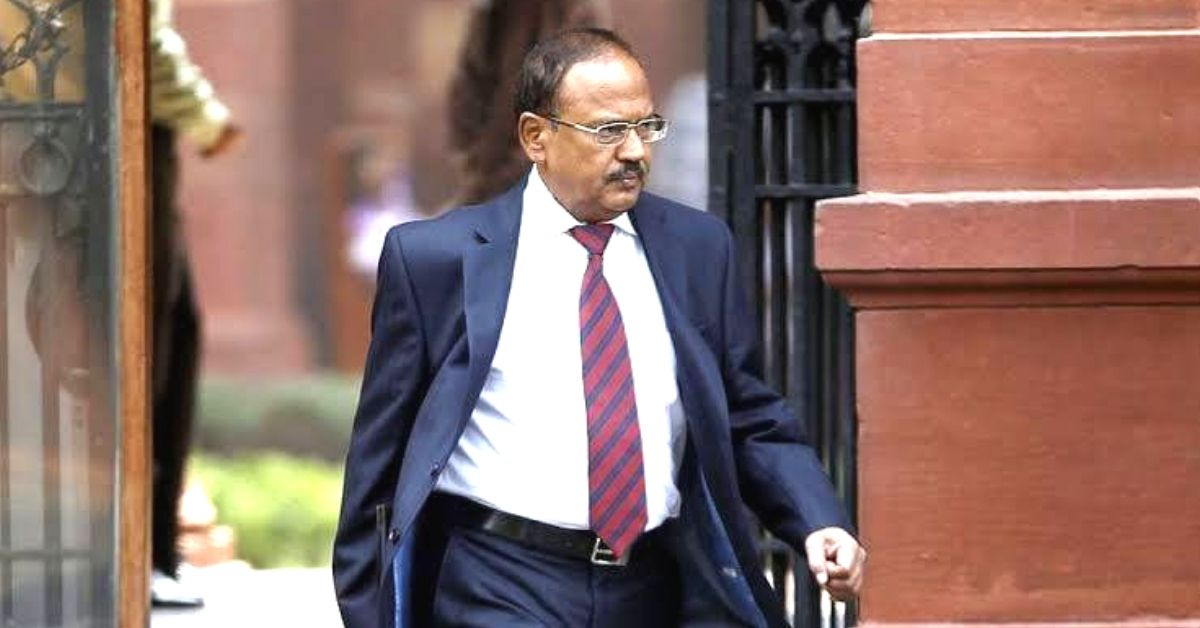
There’s a particular kind of Indian public figure who never seeks the spotlight yet ends up defining an era anyway. Ajit Kumar Doval, India’s National Security Advisor, fits that mould perfectly. Born on 20 January 1945 in the small hamlet of Ghiri in Uttarakhand’s Pauri Garhwal district, he grew up far from the corridors of power he would one day help shape. His father, an army officer, raised him on a steady diet of discipline and duty — the kind of upbringing that quietly builds a person’s entire worldview before they even realize it.
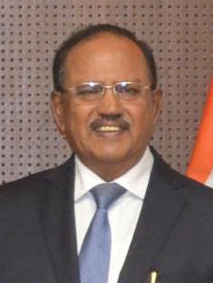
From Hill Village to Civil Services
Doval’s early education took him through the Rashtriya Military School in Ajmer, followed by a Bachelor’s degree from Agra University in 1967. In 1968, he cracked the fiercely competitive UPSC exam and joined the Indian Police Service in the Kerala cadre — a remarkable achievement given how few candidates make it through each year. What started as routine police work in Kerala, though, was really just a prelude. In 1972, he was pulled into the Intelligence Bureau, and that’s where his story takes a turn few careers ever do.
The Undercover Years
Perhaps the most cinematic chapter of Doval’s life is the nearly seven years he reportedly spent operating undercover inside Pakistan during the 1970s, gathering intelligence while living under an assumed identity and speaking fluent Urdu and Pashto. It’s the kind of chapter that reads like a spy thriller rather than a government service record — and it’s exactly why he earned the nickname “the James Bond of India.” There were no gadgets or glamour involved, just nerve, patience, and total commitment to the mission.
That reputation only solidified with Operation Black Thunder in 1988, when Doval infiltrated militant ranks inside Amritsar’s Golden Temple complex to help security forces resolve the standoff with minimal bloodshed. For this, he became the first police officer in India’s history to receive the Kirti Chakra, the country’s second-highest peacetime gallantry award.
The Top Job and Beyond
His career crowned itself with the directorship of the Intelligence Bureau in 2004, the apex of India’s domestic intelligence hierarchy. After retiring in 2005, rather than stepping back, he founded the Vivekananda International Foundation in 2009, turning himself into one of India’s sharpest strategic thinkers and commentators.
Then came 2014, when Prime Minister Narendra Modi brought him back as National Security Advisor — a role he still holds today, now in his third consecutive term, making him the longest-serving NSA in Indian history. Under his watch, India has navigated the 2016 surgical strikes, the 2019 Balakot air strikes, the Doklam standoff, and the security dimensions of Article 370’s abrogation.
A Modest Paycheck, an Outsized Legacy
Interestingly, his official pay — around ₹2 lakh a month with Cabinet-rank perks — looks almost ordinary next to his influence. But that’s rather the point. Doval’s actual worth was never going to be measured in salary slips. It’s measured in the crises that never made headlines because they were quietly defused long before anyone noticed.
About the Author