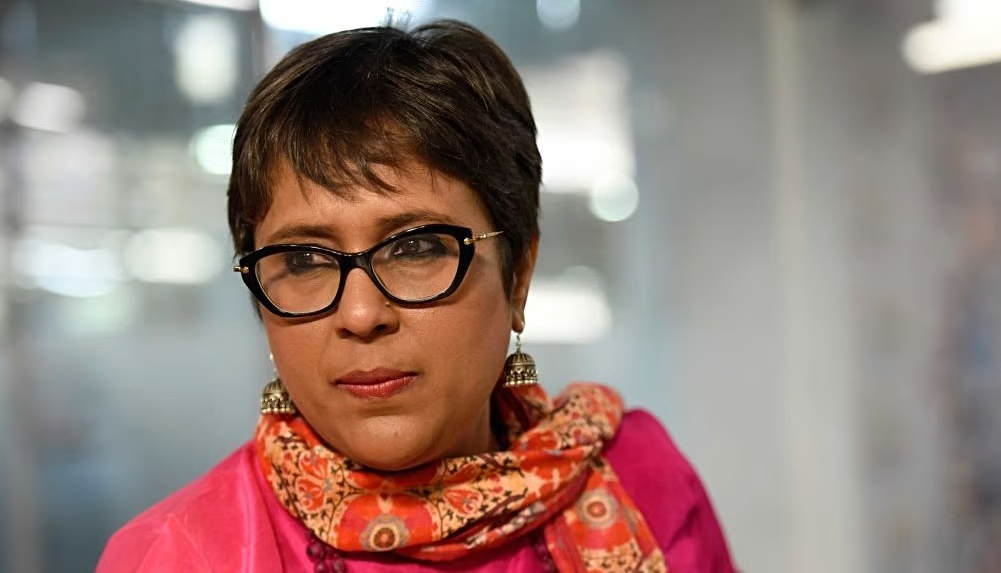

In a field where so many words’ true stage almost no names stand out as they do to the public’s eye, Barkha Dutt does. For over three decades, she has been at the forefront of Indian journalism, which is very large indeed. From wars to natural disasters to human rights issues, Barkha has reported from the front line and brought stories which many would not go near to millions of viewers.
I do recall watching in class as we discussed great journalism pieces which included that of her Kargil War reporting. At that young age, although I didn’t grasp the war’s complications, I could tell of the bravery it took to report from the front lines. That instance is what ignited my respect for what journalists do and how they form public opinion.
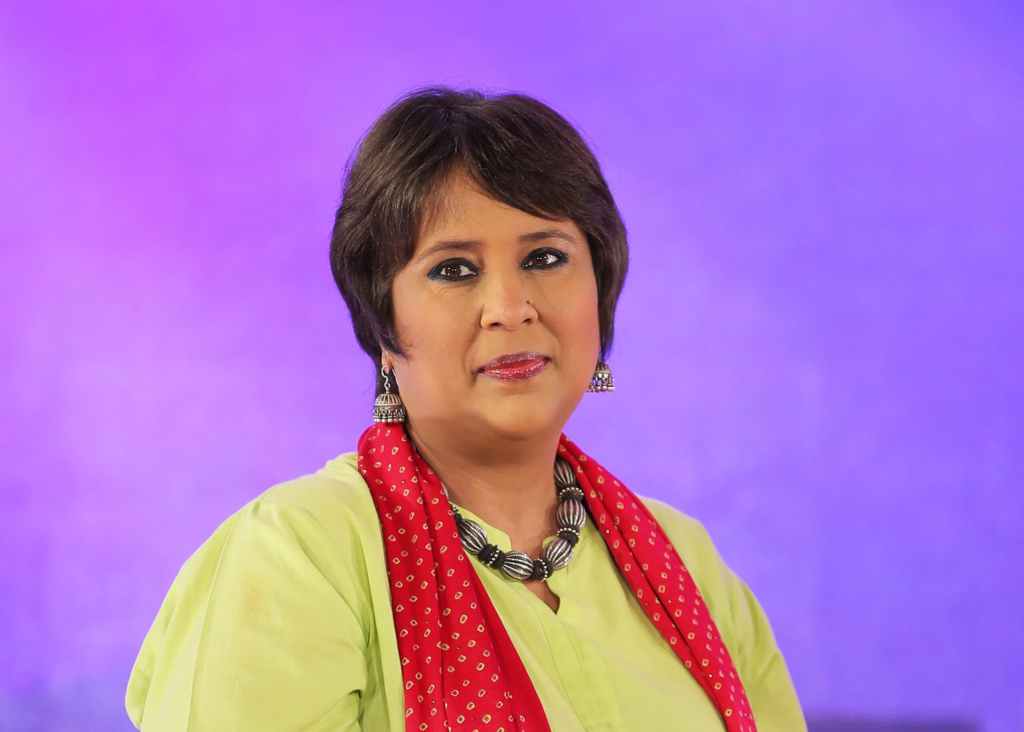
Early Life and Educational Foundation
Born in December 1971 in New Delhi, that’s when the story of Barkha Dutt began. She grew up in a family that lived for journalism; it was a way of life. Her mother, Prabha Dutt, was a frontrunner among India’s women journalists, and her dedication played a great role in Barkha’s career choice.
She earned her Bachelor’s degree in English Literature at St. Stephen’s College and went on to get a Master’s in Mass Communication from Jamia Millia Islamia. Also, she obtained a Master’s degree in Journalism from Columbia University in New York, which was on an Inlaks Shivdasani Foundation scholarship, which also gave her exposure to global journalism standards.
The Kargil War: A career turning point
Barkha Dutt became a name in every home during the 1999 Kargil War. While many journalists looked to official briefings, she went into the field and covered the conflict firsthand, which in turn gave the viewers an authentic look at the lives of Indian soldiers. Her interview with Captain Vikram Batra is still the most iconic moment in Indian TV journalism.
Her reporting changed the tone of war coverage in India, which in turn made it more present and personal. At the same time, it brought up issues of press freedom vs national security, which we are still, to this day, discussing.
Achievements Beyond the Headlines
During her time, which was her 21-year career at NDTV, she did award-winning programs such as We the People and The Buck Stops Here. Also, she reported from the scene at the 2004 Indian Ocean tsunami, the 26/11 Mumbai attacks, the Iraq War, and the COVID-19 migrant crisis.
Her which she received several distinguished awards, including the Padma Shri in 2008, the Chameli Devi Jain Award, and many national and international journalism awards. After leaving NDTV, she started MoJo Story, which is an independent digital platform for in-depth ground-level reportage.
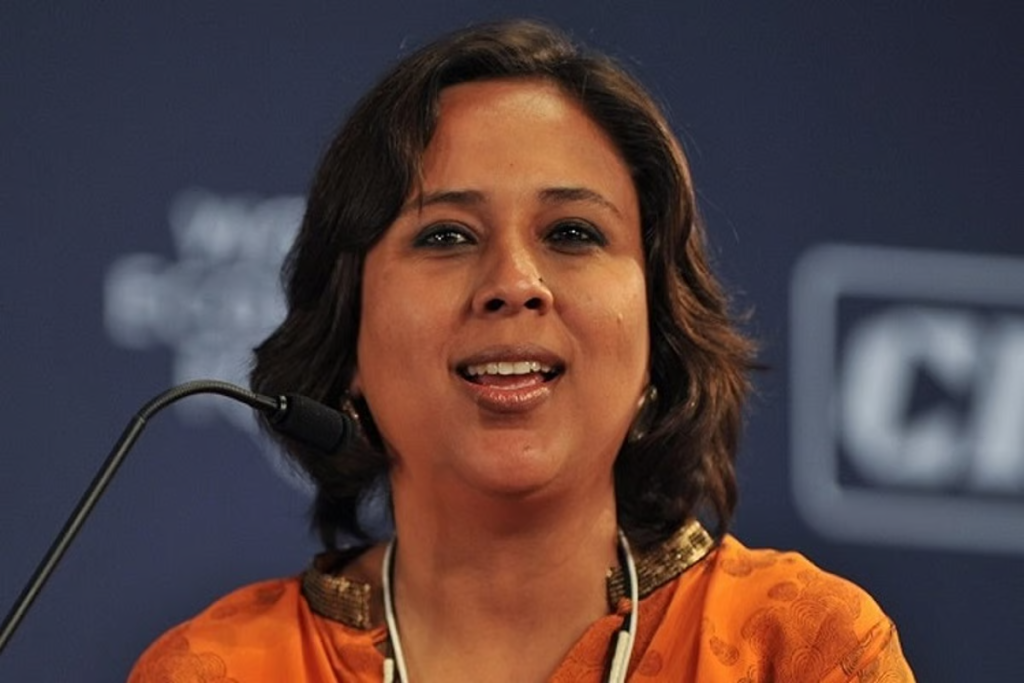
Challenges and Lasting Legacy
Like many a public figure, as is the case with Barkha Dutt, her career has had its share of criticism. She was at the center of debate over her coverage of the Kargil War, the 26/11 Mumbai attacks, and the Radia Tapes, which put her in the public eye. At the same time, these controversies also brought to the fore issues of media ethics, editorial responsibility, and journalistic independence.
Through controversy, she stands out for her tenacity in reporting on tough stories, which has kept her relevant in a constantly changing media world.
An Inspiration for Future Journalists
Barkha Dutt’s story is more than a tale of achievement or a report of breaking news; it is one of persistence, resilience, and the courage to put forth hard questions. Her story is a reminder to aspiring journalists that great reporting comes out of stepping out of one’s comfort zone.
As in the digital age journalism is transformed, Barkha Dutt is still a great example of what that which is of value determination, integrity, and commitment to truth do for a person’s legacy in the world.
About the Author