

Introduction
Captain Vijayant Thapar, VrC, is also a very inspiring figure in the Indian Army. In the 1999 Kargil War, he displayed great bravery, which made him a symbol of young patriotism and supreme sacrifice. Even today, in 2026, his story inspires defense aspirants, students, and the common man in India. He may have had a short life, but it was full of purpose, bravery, and great love for the country.
Early Life and Family Background
Vijayant Thapar was born on December 26, of December 1976, in Pathankot, Punjab. He grew up in an Army family. Had for a father that’s Colonel V.N. Thapar (Retired), a past member of the Indian Army, who had a great role in the formative years of his son. In a very disciplined and patriotic environment, Vijayant developed as a child into a very dedicated and proud Indian.
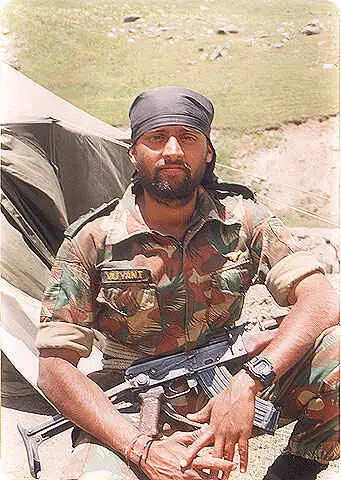
He grew up at Army Public School and later went on to pursue higher studies before enrolling at the prestigious National Defence Academy. At the NDA, he developed himself, which in turn improved his leadership skills, physical endurance, and mental resilience. He then went to the Indian Military Academy, where he was commissioned as an officer in the Indian Army.
Commissioning and Military Career
Captain Vijayant Thapar joined the 2nd Battalion of the Rajputana Rifles, which is the oldest and most decorated regiment of the Indian Army. As a young officer, he was known for his cheery nature, courage, and strong ties with his men.
In 1999, at the time of the breakout of the Kargil conflict between India and Pakistan, his battalion went into the high-altitude areas in Jammu and Kashmir. The war was conducted in very tough environmental elements, at altitudes over 15,000 feet, which also had low oxygen levels, and saw the enemy position in topographical features that were very much to their advantage.
Role in the Kargil War
The Kargil conflict, which saw some of the most intense action of recent times, was the one India fought out. In the Dras sector, Captain Thapar’s team played a key role in the recapture of lost peaks.
On the night of 28 29 June 1999, which saw the attack on a well-fortified enemy position at Knoll in Tololing, Captain Thapar showed great bravery. Through intense crossfire, he led his men into the steep terrain. He inspired his soldiers to press on despite life-threatening situations. While in the heat of battle, he was hit by enemy fire and gave up his life for the nation at the age of 22.
His leadership, which also displayed great courage, played a key role in the success of the mission.
Vir Chakra Award
For which he was posthumously awarded the Vir Chakra, Captain Vijayant Thapar showed valour that earned him that honor. The citation, which was presented, spoke of his unyielding spirit, excellent leadership, and great sacrifice, which he made in the field of battle.
The Vir Chakra was awarded to him for not only his bravery but also the resolve with which he led his men in what turned out to be one of the most intense battles of the war.
The Famous Letter to His Parents
Captain Thapar’s greatest legacy was that he left behind a very moving letter to his parents, which he wrote before the final assault. In that letter, he said that he was proud to serve the nation and asked his family not to grieve but to celebrate his life if he didn’t return.
In many ways, he seemed beyond his years in what he said. Also, he spoke of a young Kashmiri girl named Rukhsana, whom he assisted during a term out at that post, and asked that his own family put out support for her education. That which he did brought out his kind and responsible side beyond that of the war field.
Memorials and Legacy in 2026
For many years, many memorials have been dedicated to him. In Noida, we find a large park and a statue that pays tribute to his sacrifice. Also at the Kargil War Memorial in Dras, which is a site of annual tribute by citizens on Kargil Vijay Diwas (26 July), his name is listed.
In the year 2026, Captain Vijayant Thapar’s legacy lives on in the form of documentaries, books, and motivational speeches, which we still hear in schools and defense academies. Also, his story is a part of the curriculum for aspirants, which includes students preparing for a career in the armed forces who are inspired to serve with integrity and courage.
Many cadet recruits look up to him as a role model, as he is for living out the spirit of selfless service. Also, he is an example of what true leadership is, which is to be at the front in times of danger and to inspire others by action.
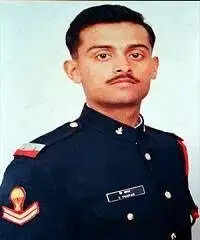
Personal Qualities and Character
Captain Thapar was a man of warm, positive, and strong moral character. He was known to always put himself forward for tough assignments, which many others would shun. Also, he lived by the book when it came to true military leadership, which is to lead from the front.
Despite being a trained soldier, he still did, at large, what may be called a very human and kind person. His care for civilians while on deployment and affection with his family show that bravery goes hand in hand with kindness.
Conclusion
Captain Vijayant Thapar, VrC, is a name that will always be associated with that of India’s brave youth who gave up their lives for the country’s sovereignty. May have lived only 22 years, but what he did leaves a lasting impression. In 2026 and beyond the story of his life continues to inspire millions to value courage, honor, and patriotism.
His story also tells us that the measure of a hero is not in how long he lived but in the great depth of his sacrifice. In India’s military history, Captain Vijayant Thapar’s name stands out as a symbol of great dedication and pure love for the motherland.
About the Author