

Before achieving mainstream success through sold-out shows and viral videos, Zakir Khan spent years dealing with insecurity and anonymity. His success is due to both his unique style of loud comedy and the subtlety found in observations and pauses, as well as his deeply personal stories. The way he turns emotions that everyone can relate to into a story that people can share has shown how powerful being honest on stage can be to an audience, no matter where they are from.
Background
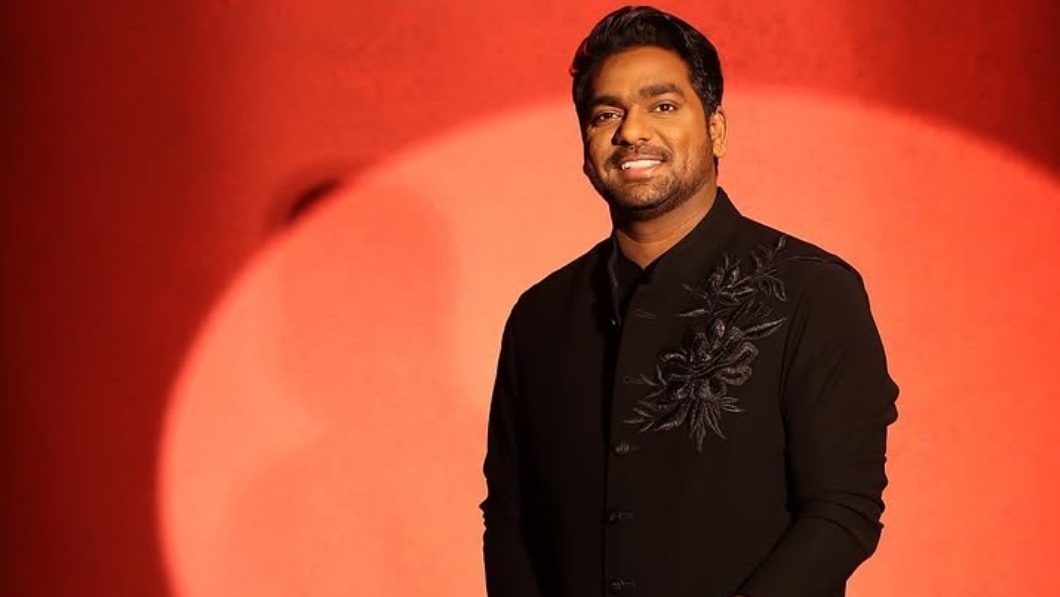
Zakir Khan was born on August 20, 1987, in Indore to a Rajasthani Muslim family, where he was raised in a culturally rich household. His father is a music teacher, and all of the other artistic individuals in Zakir’s family greatly impacted his creativity; as Zakir grew up around musicians and had a strict upbringing, he was able to develop an innate sense of rhythm, which would later play an important part in how he developed his comedic timing.
Education & the Foundation of his Creativity
After completing school at Indore, Zakir went to study commerce for a short time before realizing that he wanted to pursue an arts career, so he decided to get formal education in playing the sitar. This exposure to classical music early on gave Zakir an understanding of how to express emotion and tell stories in his own unique way.
Later, Zakir moved to Delhi so he could pursue theatre, writing, and be involved with radio productions. These experiences helped him shape his performance style and define his true self. Interestingly, Zakir has often mentioned that if comedy hadn’t worked out, he might have continued as a music teacher.
Struggles and Turning Point

Like many artists, Zakir’s path was far from easy. He worked as a radio intern, ghostwriter, and part-time performer while struggling to make ends meet. Facing criticism for his appearance and background, he transformed those experiences into relatable humor.
His breakthrough came in 2012 when he won a national stand-up competition. This victory opened doors, leading to opportunities with digital comedy platforms where he sharpened his craft.
Rise to Fame and Signature Style
Through Zakir’s use of humor, emotion, and original storytelling style, he became one of the most popular performers to emerge from India in recent years. His signature phrase, “Sakht Launda,” has come to signify self-respect and resilience against emotional distress among many young people today.
His live performance specials (including Haq Se Single, Kaksha Gyarvi, and Tathastu) have shown an incredible ability to blend nostalgia, comedy, and important life lessons. Over time, he has developed into a truly international performer, bringing his brand of humor to various countries throughout the globe, thus creating connections with diverse audiences from all around the world.
Beyond the realm of stand-up comedy, Zakir has also worked in television/web/streaming series. His acting talent was showcased on the show Chacha Vidhayak Hain Humare; in addition, his appearances on various comedy-oriented platforms have helped to extend his visibility. He is also known as a poet and frequently performs Urdu poetry at cultural events.
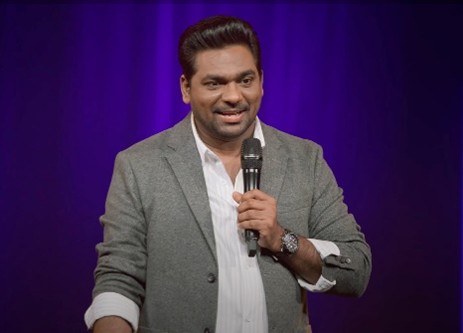
Zakir’s list of accomplishments and reputation internationally as a performer is growing rapidly. In particular, all Indian comedians performing in the Hindi language have achieved milestones because of Zakir’s success in performing in English in various countries. This has not only established Indian comedians in the global comedy scene but has also proven how much audiences prefer authentic storytelling via language (as opposed to storytelling using other forms of visual media) to communicate ideas.
Zakir’s contributions to comedy extend far beyond the art of comedy itself. He has transformed the way Indian comedy can be viewed on a worldwide scale, demonstrating that local languages and middle-class lifestyles can produce universally appealing stories. His contribution to both the arts and society is one that will connect two generations through the combination of emotion, humor, and beautiful works of art (poetry) through his contribution to the arts.
About the Author