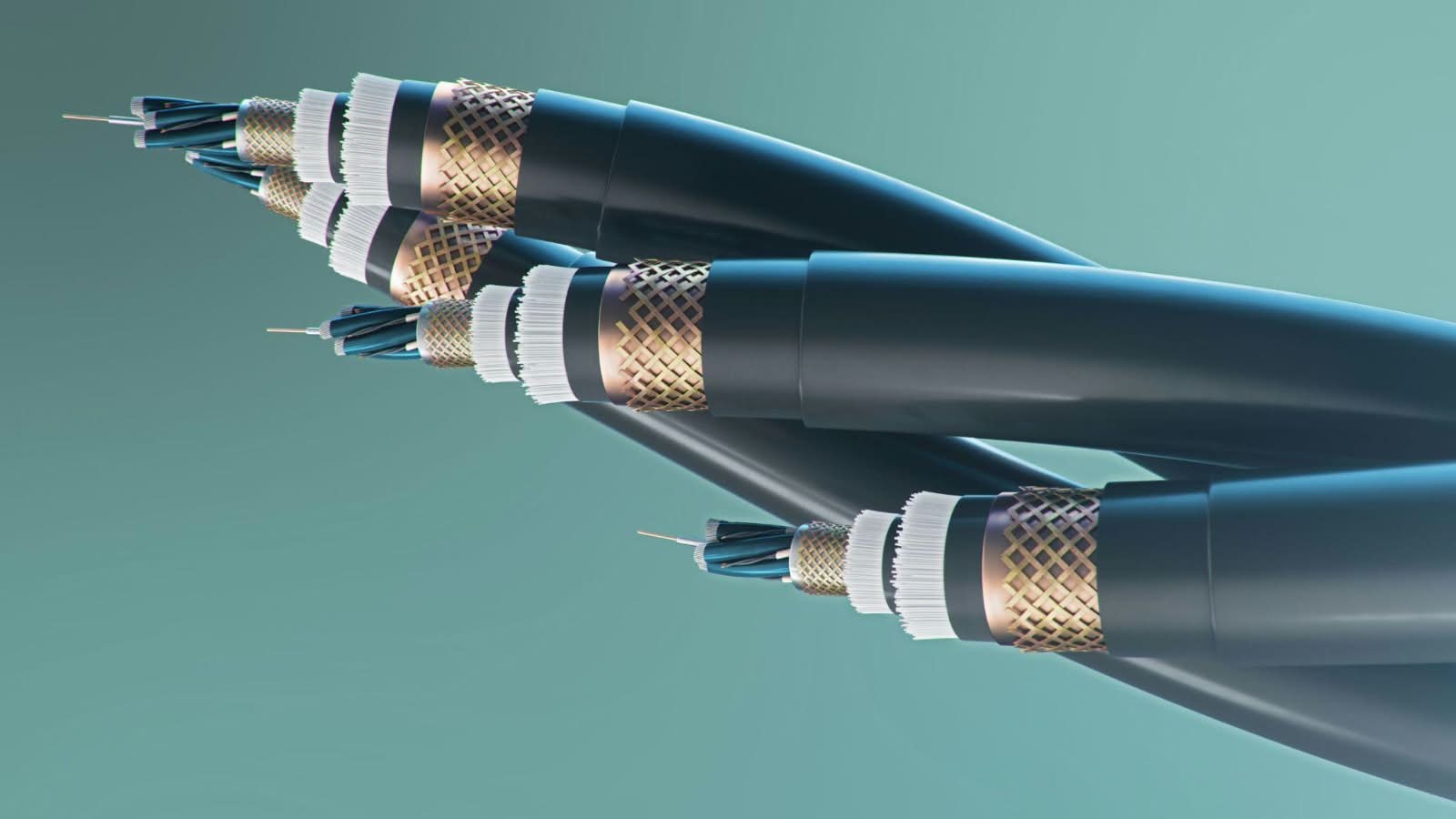

Electrical networks are built to move power safely and efficiently across different distances and applications. As the voltage level rises, the technical demands placed on a cable also change. Conductor design, insulation, screening and protective layers must work together to support dependable performance. A cable is therefore a critical link between power generation, transmission and distribution systems.
Voltage changes
Cables used in electrical systems are designed around the conditions in which they will operate. Lower-voltage applications may serve buildings, equipment and local distribution networks, while higher-voltage designs support the transfer of power across larger infrastructure. The voltage rating is only one part of the selection process.
Other factors can include the expected electrical load, installation method, operating environment and required mechanical protection. Considering these requirements together helps identify a cable construction that is appropriate for the intended application rather than relying on a single specification. This is especially relevant where network capacity, route length and operating conditions place greater demands on performance.
Stepping into EHV
At transmission level, EHV cables are designed for extra-high-voltage applications, including systems operating at 66 kV, 110 kV and 132 kV. At these voltage levels, insulation needs to provide effective electrical separation while managing the higher electrical stresses associated with transmission. EHV cable designs use XLPE insulation for this purpose.
Additional layers can help protect the cable from environmental and mechanical stresses. Depending on the cable specification and installation conditions, these can include moisture barriers, metallic screens and protective sheaths.
Protection beyond
Insulation is only one part of cable performance. Transmission installations can expose cables to moisture, heat, ultraviolet radiation and mechanical forces. Construction features such as radial moisture protection, corrosion resistance and thermal stability can therefore become important when developing cables for demanding environments.
The sheath and screening arrangement can also contribute to overall protection. Aluminium corrugated sheaths or copper wire screens with protective layers may be used in suitable EHV constructions. The choice depends on the required electrical characteristics, mechanical protection and conditions at the installation site.
Reading specifications
A technical specification provides the information needed to assess whether a cable is suitable for a particular project. Rated voltage, conductor material, insulation type, screen construction, sheath arrangement and environmental protection are among the details that may need review.
Taken together, these details give project teams a clearer basis for comparing cable designs. They can also help confirm that the selected construction is suited to the electrical and physical conditions it will encounter during service.
Conclusion
As electrical systems move from distribution to extra-high-voltage transmission, cable construction needs to meet more demanding requirements. Factors such as voltage, insulation, screening, sheathing and environmental protection all play a part in determining how a cable is designed for its intended use.
For transmission networks, selecting EHV cables involves assessing the complete construction rather than focusing on voltage alone. A clear review of technical specifications, installation conditions and performance requirements can help establish whether a cable is suited to the network and its operating environment.
About the Author