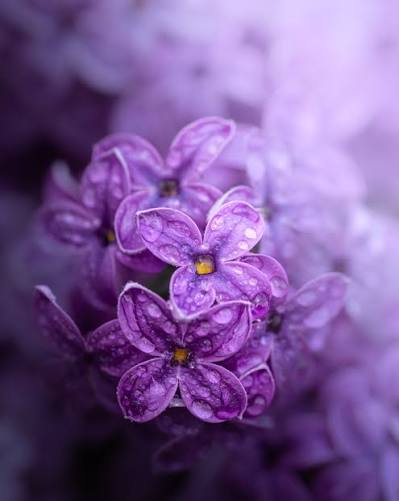
Fresh lilacs have a scent that is hard to put out of your mind. They put out a sweet, powdery floral aroma, which in turn can transform an average spring morning into a special one. Also, we find that what we put in a bottle does not come out the same as the flower. Lilac flowers are very delicate, and heat has the ability to change or destroy some of what we find to be the most attractive.
This, out of the blue, the enfleurage technique becomes very interesting. It is an old practice which uses fat as a medium to absorb the natural fragrance from fresh flowers. Although today’s perfumers have at their disposal advanced extraction methods, enfleurage is still a preferred method for those who go for handmade perfumes and traditional botanical crafts.
In 2026, if you wish to play with lilac scents at home, here is what you do.
What Is Lilac Enfleurage?
In the past Enfleurage was a practice used for the extraction of fragrances which saw fresh flowers placed in contact with a layer of fat which is free of smell. The fat would, in time, absorb the aromatic elements from the flowers, which in turn would produce the pomade.
Grasse, France, became the home of this technique, where perfumers used it to obtain the fragrance from delicate flowers like jasmine and tuberose.
Lilac is a unique challenge. Its natural scent is very hard to reproduce through traditional means. The smell of a finished extract may not at all compare to that of fresh flowers in a garden.
In my opinion, what makes the practice of lilac enfleurage so valuable is that it is not focused on creating a perfect commercial perfume and instead is a method of preserving that which is transient in nature.
Materials You Will Need
Before beginning, collect the following materials: Before you start, you will need to collect the following:
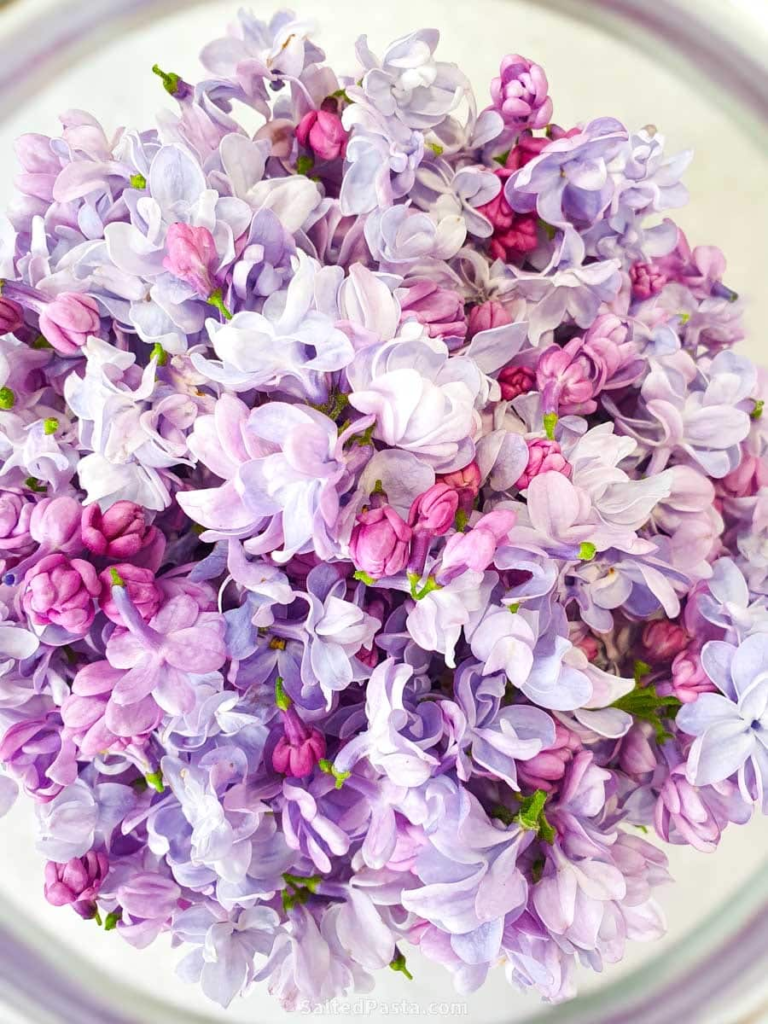
Freshly picked lilac flowers.
Odorless, refined vegetable fat or a suitable fragrance-free solid fat.
Wash and dry glass plates or shallow glass containers.
A small spatula.
Tweezers for removing individual petals.
A clean, airtight glass jar.
Disposable single-use gloves and clean paper.
Choose a fat with no strong smell. Even a mild scent will disrupt the delicate lilac.
Guide to Performing Enfleurage with Fresh Lilac Flowers.
1. Collect Fresh Lilac Flowers
The quality of the flowers is very important to the end result. Choose healthy, fully open lilac flowers that have not seen rain or morning dew.
In the early morning, it is a good time to collect flowers if their surfaces are completely dry.
Remove the flowers from the stems. Also avoid including leaves, branches, and any other green plant material which may bring in unwanted plant smells.
2. Prepare the Fat Base
Take out your odorless solid fat and put a thin, even layer of it on a clean glass plate.
The layer must be soft for the flowers yet firm enough for easy removal later.
Avoid the overuse of heat. In room-temperature enfleurage, flowers release their fragrance best without the need for direct heat.
3. Arrange the Lilac Blossoms
Place each lilac blossom tenderly on the prepared fat surface.
Make sure flowers are in good contact with the fat. Also, do not overcrowd them, which in turn may cause excess moisture and poor airflow, leading to spoilage.
Cover the container with a clean airtight lid to protect the flowers from dust and insects.
4.Allow the fat to take in the fragrance.
Leave the arrangement in a cool, dry place away from direct sun.
Traditionally, flowers used in cold enfleurage are replaced every 24 hours. As for lilacs, start by checking the flowers daily for signs of wilting or bad odor.
Prune out the old blooms and put in new ones.
Repeat the process with fresh batches of lilac flowers. The fat will develop a stronger floral note, although the intensity and quality will vary with the flowers and conditions.
5. Collect the Scented Pomade
Once the fat has taken on a noticeable lilac scent, remove the flowers and transfer the scented fat to a clean glass jar.
This fragrant mixture is called pomade.
You can keep it as a pure botanical fragrance or go ahead to separate the active aromatic elements.
6. Optional: Extract the Fragrance in Alcohol.
In traditional perfumery, perfumer’s alcohol is used to extract aromatic compounds from scented fat.
This is a more complex stage that requires high-quality, pure perfumer’s ethanol; also note that it should be handled with care and in a well-ventilated area. Alcohol is very flammable, so keep it away from fire and heat. Also, do not use rubbing alcohol as a substitute.
The resultant aromatic material may be concentrated into an absolute after proper separation and solvent removal.
Tips for Better Results
A few easy steps to better results in your experiment:
Always use completely dry flowers.
Choose the fresh over the withering.
Keep equipment clean at all times.
Replace flowers as they die out.
Keep the preparation out of the sun and away from very hot areas.
Do not use the batch if you see mold, different coloration, or a sour smell.
Remember that enfleurage does not produce a scent that is the same as that of fresh lilacs. The final product may be more subtle or very different.
Final Thoughts
Enfleurage is a beautiful process that we may use to note that not all of the perfume making is done with complex machinery. With fresh flowers, a proper fat base, and time, we may try out a very old method of floral scent extraction.
Lilac enfleurage is a very delicate process which we pay great attention to because the fragrance is so hard to preserve. Also, that is what makes it so appealing.
In 2026, if you are into natural perfumery, try out this traditional technique, which is a very rewarding botanical experiment. Instead of going for the finished product right away, enjoy the slow process of using fresh flowers and see how their fragrance develops over time.
About the Author