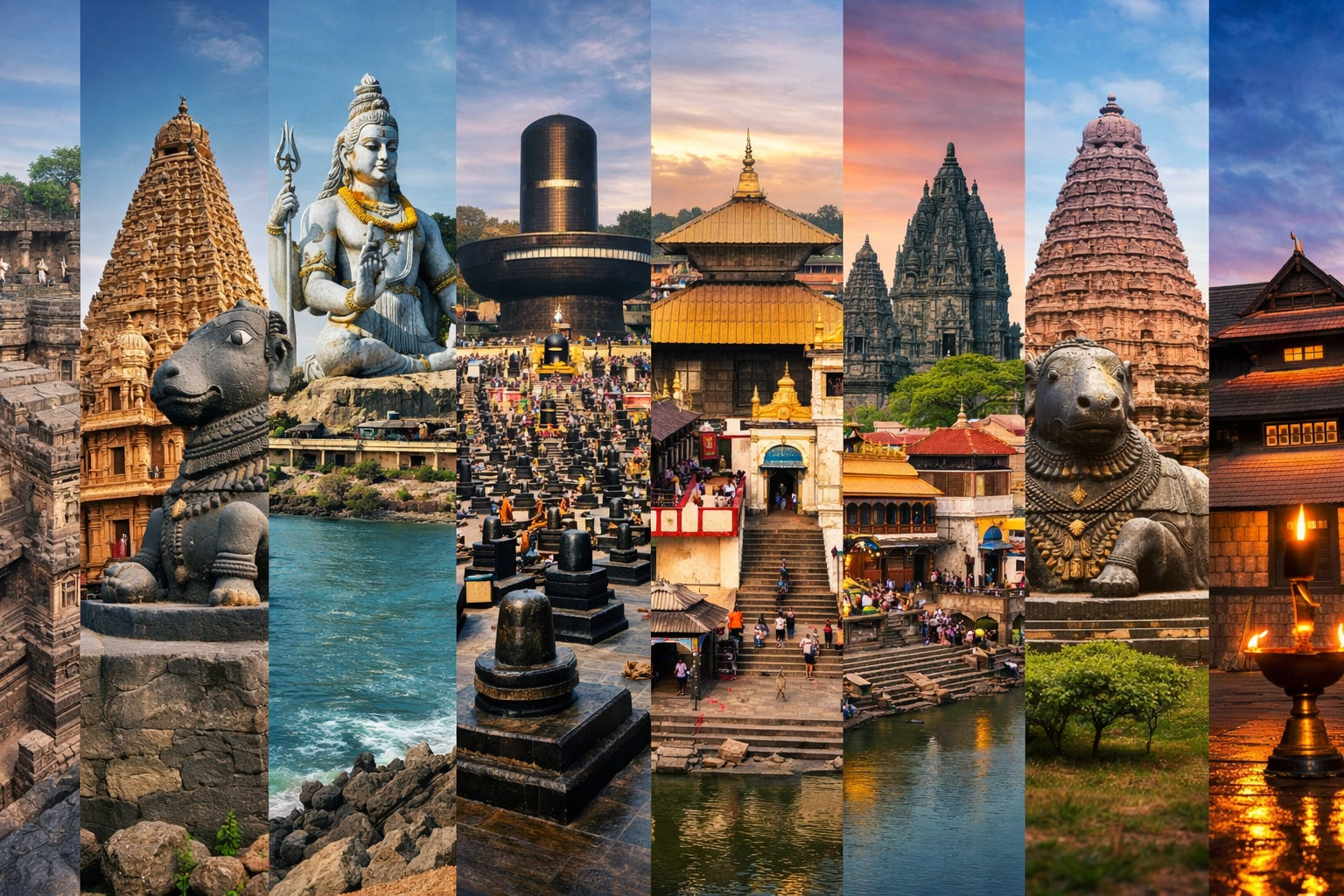

The temples of Shiva dating back to the Chola age in the region of Tamil Nadu are perhaps the most beautiful specimens of architecture and art in India during the medieval period. The Chola temples give us an idea of the architectural achievements of medieval South India.
They are famous as the Great Living Chola Temples and have been designated as UNESCO World Heritage sites due to their spectacular towers, sculptures, and stone buildings.
By 2026, the Chola temples will be considered symbols of the cultural heritage of the nation, which is a combination of ancient traditions and architectural wonders.
Chola Kingdom and Their Temples – History
The Chola Kingdom was one of the important dynasties that ruled in South India. The kings belonging to the Chola dynasty had a great love for architecture, sculpture, literature, trade, and religion.
During the 10th to 13th centuries, the kings of the Chola dynasty erected a number of temples devoted to Lord Shiva.
The temples were centres for worship, cultural events, and assemblies.
On the other hand, they were representations of the power, achievements, and devotion of the kings.
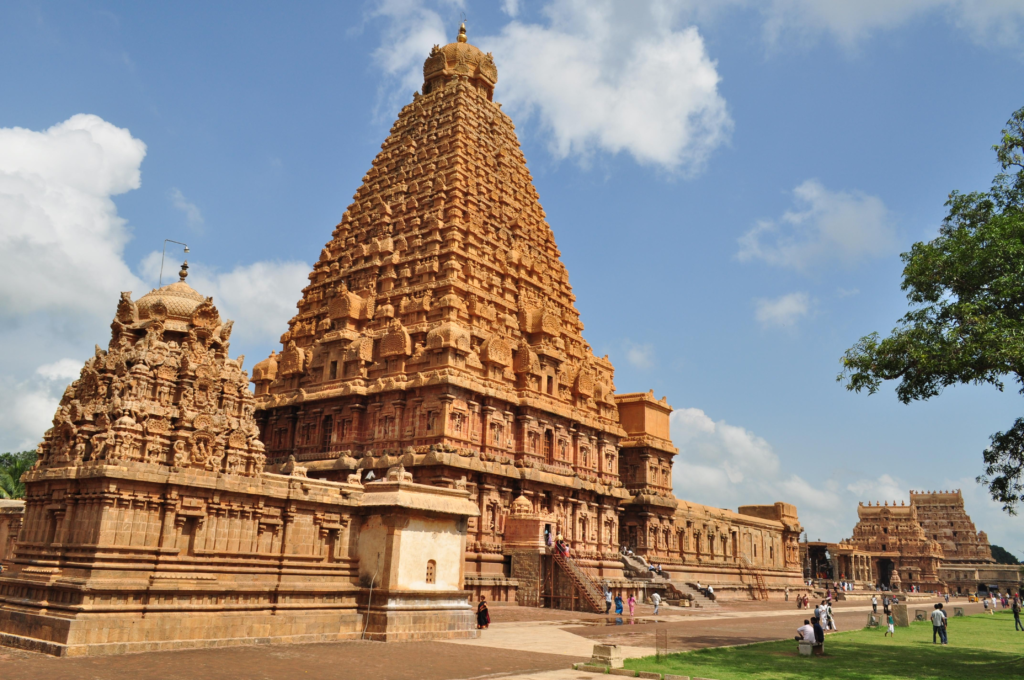
One of the most important architectural achievements of the Cholas is the three temples making up the Great Living Chola Temples World Heritage Site.
Brihadisvara Temple, Thanjavur
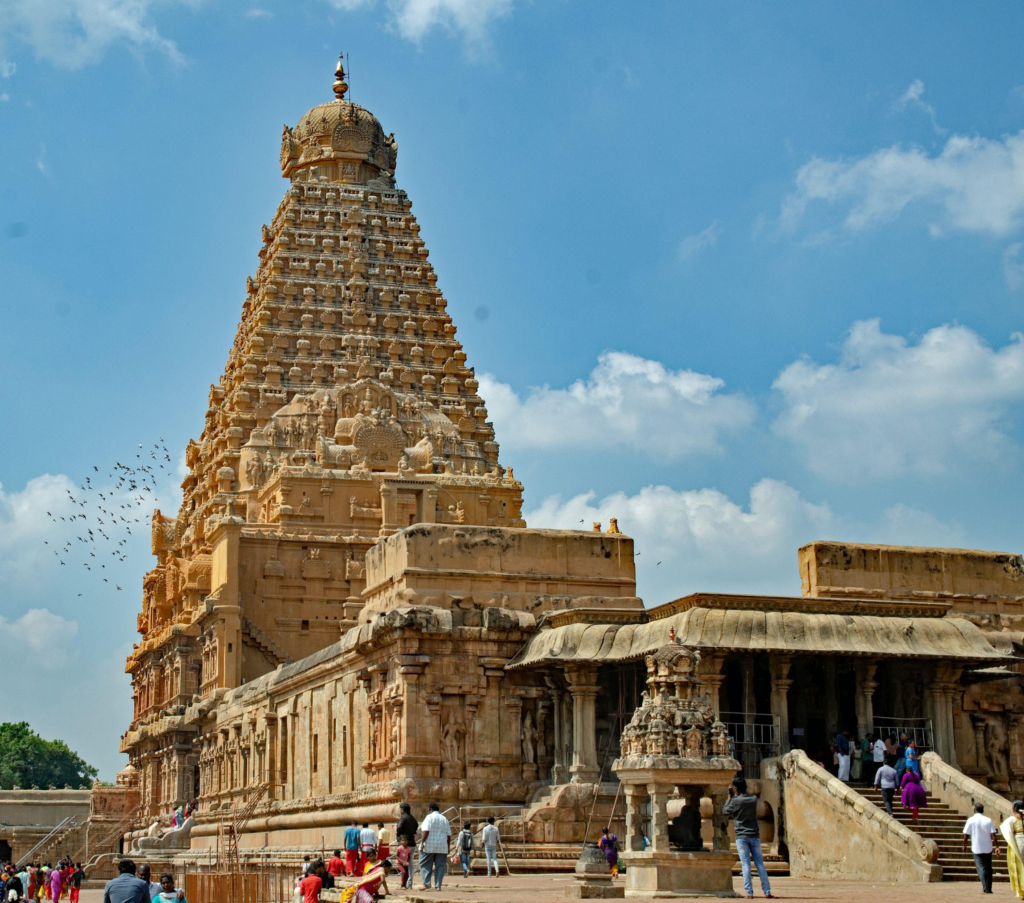
The Brihadisvara Temple is one of the finest architectural works of the Chola Dynasty.
Built by Rajaraja Chola I, the temple dates back to around 1010 CE and is a shrine of Lord Shiva, also known as the Thanjavur Big Temple.
The temple is famous for its huge vimana, or tower, over the sanctum, which is about 60 meters tall.
The temple complex comprises the huge Shiva Lingam, the magnificent statue of Nandi, sculptured pillars and the ancient paintings.
Its symmetry and sculptured works show the fine engineering skills of the Chola builders.
Brihadisvara Temple, Gangaikonda Cholapuram
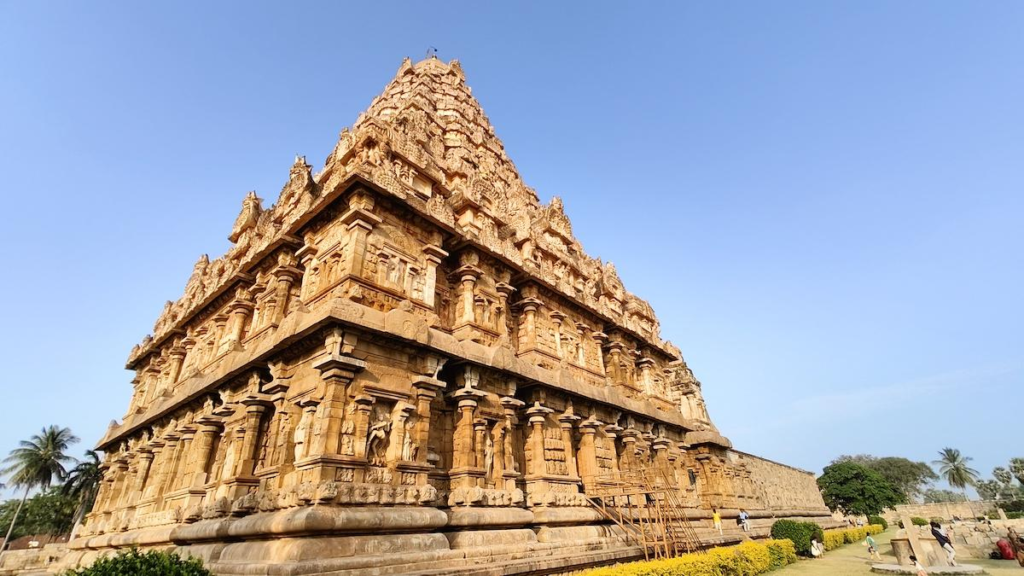
The Brihadisvara Temple of Gangaikonda Cholapuram was built by Rajendra Chola I, the son of Rajaraja Chola
Built around 1035 CE, the temple was an important part of the capital city of the Chola Dynasty, built by Rajendra Chola I.
The inspiration for this temple was taken from the temple in Thanjavur. It includes the beautifully sculpted tower, stone carvings and the huge Shiva Lingam.
Its sculpture depicts Lord Ganesha, Goddess Durga, Lord Vishnu and other Hindu gods.
Airavatesvara Temple, Darasuram
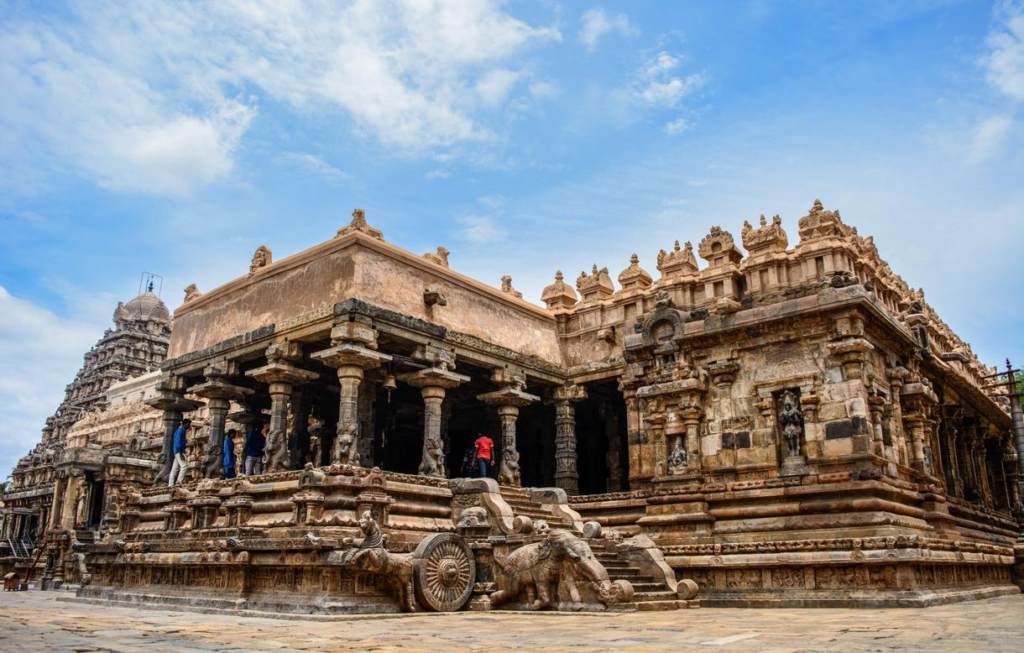
Airavatesvara Temple is situated close to Kumbakonam and dates back to the 12th century, when it was built under the rule of Rajaraja Chola II.
Though less massive than the other two shrines, this temple is distinguished by its wonderful stone sculptures.
It includes a nicely designed hall looking like stone chariots and decorated pillars and steps with carved patterns usually related to musical sounds.
According to the myth of Hinduism, Airavata, the white elephant of Indra, worshipped Shiva at this shrine in order to remove the curse from himself.
Moreover, the carvings on the temple walls tell the legends related to the life of the 63 Nayanars who were the devotees of Lord Shiva.
Architectural Brilliance of the Chola Temples
Chola temples are the masterpieces of the Dravidian architectural school.
Tall buildings, perfect symmetry and sculptures of temples reveal a high level of knowledge of the builders.
Granite was extensively used in building these structures, which were able to last for many years.
The inscriptions, paintings and bronze sculptures in the temples contain much information about the medieval society of South India.
UNESCO World Heritage Recognition
The Brihadisvara temple of Thanjavur gained UNESCO World Heritage Site status in 1987.
This was extended in 2004 to include the two temples of Gangaikonda Cholapuram and Darasuram.
Collectively, these three monuments are referred to as the Great Living Chola Temples.
The significance of these monuments is recognised due to their architectural, cultural and historical importance.
Unlike many ancient monuments, these monuments are still active centres of worship.
Significance of the Monuments – Religious and Cultural – 2026
Chola Shiva Temples have continued to serve as active centres of Hindu faith.
Prayers, rituals and festival activities continue to be performed in accordance with traditions passed down through generations.
The monuments act as places of worship for devotees and visitors for their architectural and historical significance.
These monuments also act as centres for understanding the traditional art of sculpture, classical dance, religious art, and Tamil culture.
My Personal Favourite
Out of the three temples, my favourite one is the Brihadisvara Temple of Thanjavur.
It is very appealing to me due to its huge granite tower and splendid architecture despite being built almost a thousand years ago.
Similarly, the Airavatesvara Temple is an equally fascinating temple due to its sculptural art and distinct chariot shape of the hall.
Conclusion
Great Living Chola Temples are an amazing blend of religious commitment, creativity in arts and architecture.
Right from the splendour of Thanjavur to the sculptured art of Gangaikondacholapuram and Darasuram, each temple symbolises a different phase of Indian history.
In 2026, the great Shiva temples continue to carry the legacy of the Chola dynasty.
About the Author