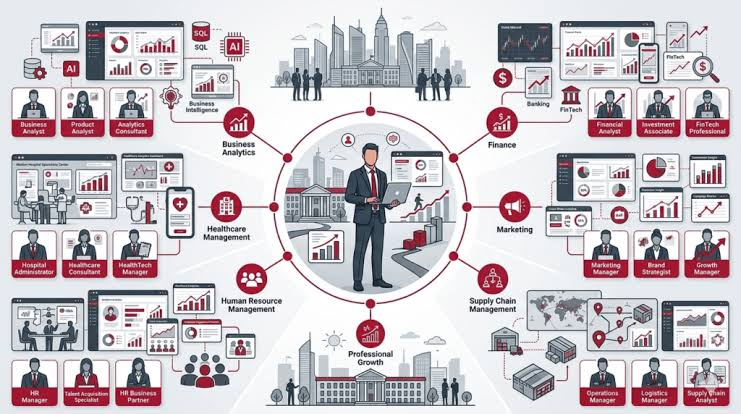

The selection of a specialisation for the MBA program is an important choice for those who want to pursue their career in business and management. As a result of the adoption of artificial intelligence, digital technology and other new business models by various industries, management education provides opportunities in many professional sectors.
In 2026, MBA aspirants can choose from traditional specialisations such as Finance, Marketing and Human Resources as well as newly established areas such as Business Analytics and Technology Management. Knowledge of the subjects, career opportunities and skills in each specialisation can assist students in choosing a suitable programme.
What are the Different MBA Specialisations?

The MBA program comes with various specialisations which cater to different industries and professions.
Some common MBA specialisations are Finance, Marketing, Human Resource Management, Operations Management, Information Technology, Business Analytics, International Business, Healthcare Management and Entrepreneurship.
Supply Chain Management, Retail Management and Digital Business are some other MBA specialisations offered by various institutions.
The availability of these streams may depend on the university as well as its curriculum.
- MBA in Marketing

MBA in Marketing deals with studying the behaviour of consumers, creating a promotional strategy and managing the growth of the business.
Students are taught about market research, branding, advertising, digital marketing and consumer behaviour.
Students could find jobs as Marketing Executive, Brand Manager, Digital Marketing Specialist, and Market Research Analyst. They can move up the career ladder through experience and become leaders in the field of marketing.
This specialisation is suitable for creative students who enjoy communication.
- MBA in Finance

Finance is one of the oldest MBA specialisations that deals with the topic of financial management, investment analysis, corporate finance and risks assessment.
Students gain knowledge of how to analyse financial statements and evaluate investments. Students study how organisations manage their financial resources.
Careers include Financial Analyst, Investment Analyst, Credit Manager, Risk Analyst, and Corporate Finance Manager.
Those interested in math, finance, and decision making may relate to this stream.
- MBA in Human Resource Management

Human Resource Management concentrates on managing people and creating efficient workplace practices.
The program usually includes topics related to recruitment, organisational behaviour, employee relations, compensation, and performance management.
Opportunities for employment could include talent acquisition, employee development, HR Operations, and Compensation Management.
With the increasing use of technology and flexible work in organisations, HR specialists also require skills in workforce analytics and digital recruitment.
- MBA in Business Analytics
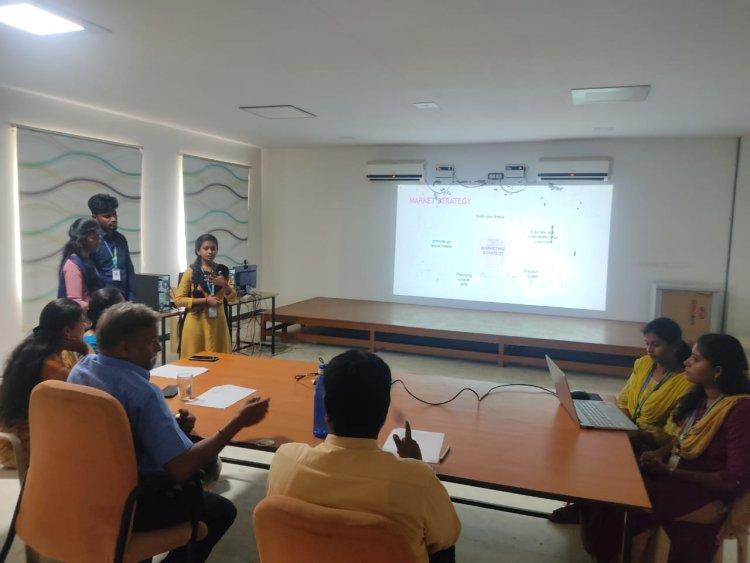
Business Analytics involves management, statistics, data analysis, and business decision-making.
Topics in the stream could cover predictive analytics, data visualisation, statistical models, and software like Excel, SQL, and Python.
Opportunities for employment include Business Analyst, Data Analyst, Business Intelligence Analyst, and Analytics Consultant.
This stream may be interesting for those who like analysing information.
- MBA in Information Technology
An MBA in Information Technology marries together business management and technology management and operations.
They study project management in IT, information security, digital transformation, and IT-based business models.
Careers for students in this field include IT Consultant, Technology Project Manager, Business Systems Analyst, and Digital Transformation Consultant.
The specialisation may be beneficial for students who have graduated with a technology degree but would like to add managerial skills to their expertise.
- MBA in Operations and Supply Chain Management
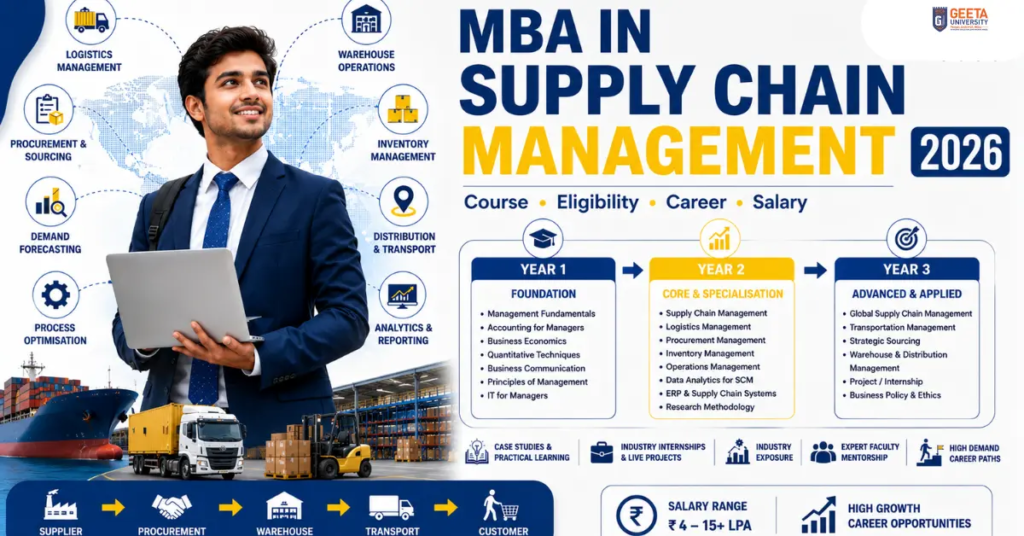
Operations Management deals with increasing efficiency in organisations and their production process and service delivery.
Topics of study include logistics, inventory management, quality control, procurement, and supply chain management.
Possible careers for the students include Operations Analyst, Logistics Coordinator, Procurement Specialist, and Supply Chain Manager.
- MBA in Healthcare Management
Healthcare Management prepares aspiring administrators and managers to work in hospital setups and healthcare organisations.
The course covers topics like hospital management, healthcare finance, patient services and healthcare information systems.
Careers in hospital administration, healthcare consulting and medical operations management are viable options after completing this programme.
Students willing to make a career in healthcare services and hospital management should consider this specialisation.
- MBA in International Business
International Business is ideal for students who wish to understand organisations operating in multiple jurisdictions.
Students enrolled in this course study international trade, global marketing, foreign exchange, international finance and cross-cultural management.
Careers as an Export Executive, International Business Analyst and Global Supply Chain Coordinator are possible after completing this course.
An in-depth knowledge of the international business landscape, including legal and economic factors, is necessary to make a career in this domain.
How to Choose the Right MBA Specialisation
Students must take into account their professional and academic interests while selecting an MBA specialisation.
Those with a flair for numbers and financial analysis can opt for the Finance stream. Candidates interested in managing and leading teams can select Human Resource Management. Students with technical expertise can gain employability skills in specialised sectors such as Business Analytics and Technology Management.
While selecting a specialisation, students must also review the university prospectus, internship opportunities, faculty strengths, placement reports and overall cost of the programme.
Instead of selecting an MBA specialisation based on trends, students must identify the type of jobs they envision themselves in after completing their MBA.
MBA Salary and Career Scope in India
Salaries offered to MBA graduates depend on the college, specialisation, location, years of experience and recruiters. Candidates graduating from different colleges with identical qualifications can expect different offers depending on these factors.
Internship opportunities, communication skills, live projects and additional skills acquired during the course will enhance employability. It is essential to review the latest placement reports of target colleges to understand the average salary, median salary and highest package offered in a specialisation. It is necessary to differentiate between average and median salaries to have a realistic expectation of post-graduation earnings.
My Personal Favourite
The most significant aspect of a specialisation that appeals to me is the confluence of traditional management studies and technology. I find the Business Analytics specialisation particularly interesting as it involves using analytical tools to make business decisions. There is an enormous amount of opportunity if one can understand the managerial as well as technological aspects of business analytics and utilise the skills in the most impactful way.
However, it is necessary to bear in mind that personal interests and professional prospects play a significant role in selecting an MBA specialisation.
Conclusion
Selecting the right MBA specialisation in 2026 requires students to consider multiple factors like professional and academic interests, scope of the chosen field and employment opportunities. This blog discussed the most in-demand specialisations, including Finance, Marketing, Human Resources, Business Analytics, Information Technology and Operations Management. Students can review the various specialisations and select a course that aligns with their career goals.
About the Author