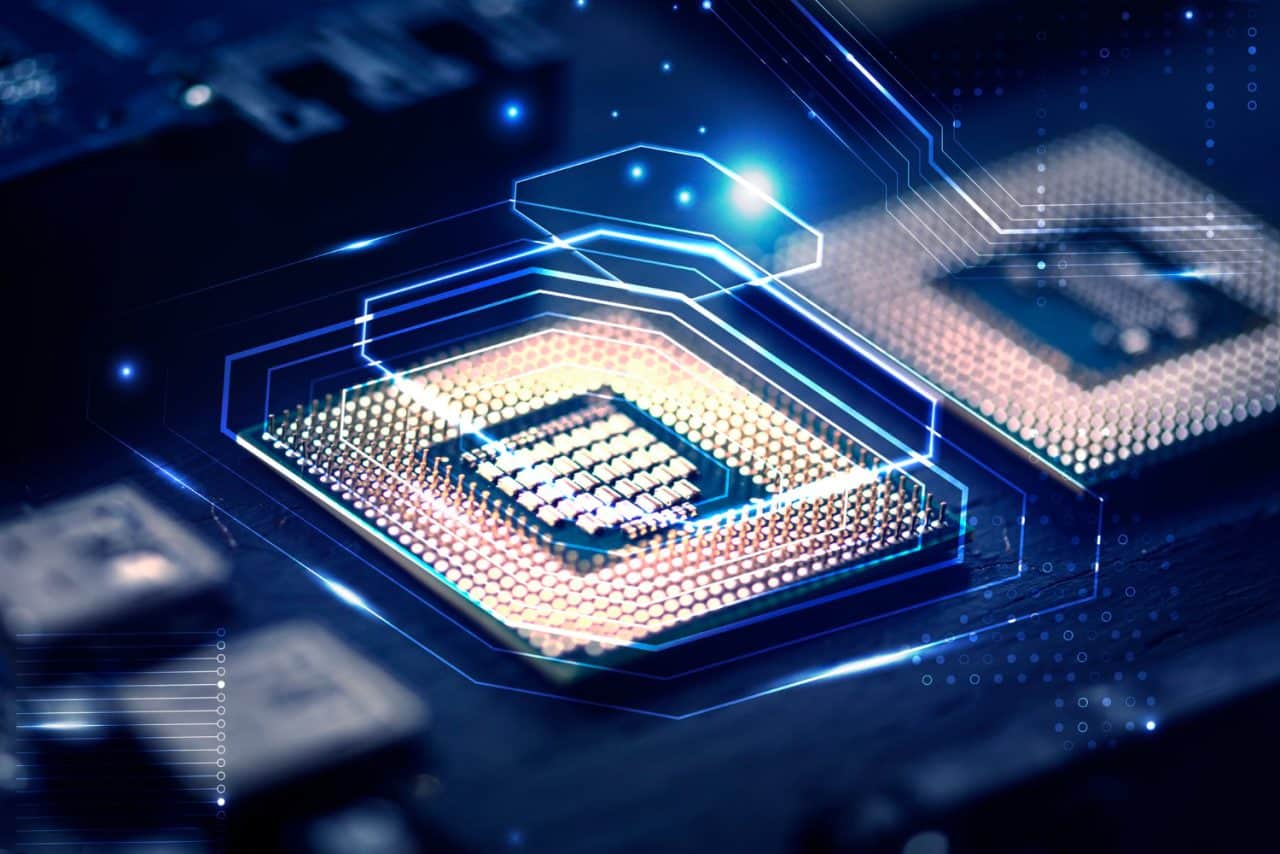

Very Large Scale Integration (VLSI) is a key area of electronics and semiconductor engineering that involves the design and development of integrated circuits (ICs). As semiconductor technology grows in relevance to smartphones, automobiles, artificial intelligence, telecommunications, consumer electronics, and industrial systems, VLSI has become a very promising career field for engineering graduates in India.
For students and professionals who are into electronics, chip design, embedded systems and semiconductor technology, we see value in them pursuing the study of VLSI, which in turn helps them plan their professional growth.
What is VLSI?
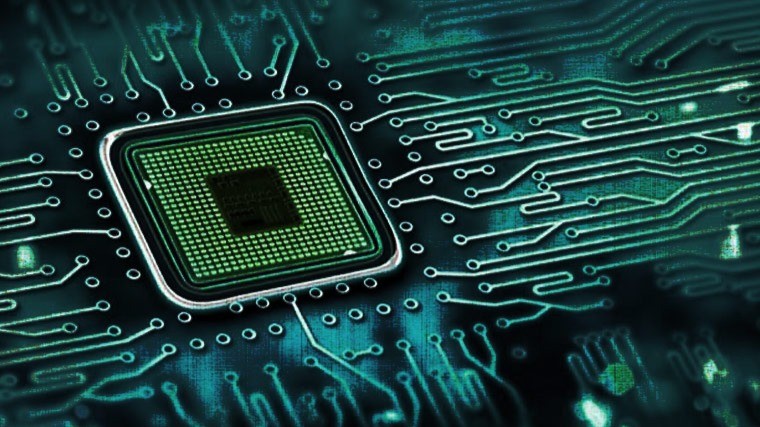
VLSI is the term for Very Large Scale Integration. It puts together a large number of transistors and electronic components onto a single semiconductor chip. In the field of VLSI, we see applications in processors, memory devices, communication systems, sensors, microcontrollers, and also in a great variety of electronic products.
A VLSI engineer is a part of all the stages of chip development that range from design and verification of circuits, physical layout, to the stage of testing.
VLSI Career Opportunities in India
In the VLSI field, a wide range of technical roles is available. Some common roles are:
1. VLSI Design Engineer
VLSI design engineers create digital and analogue circuits and integrated circuits. They may use hardware description languages like Verilog and VHDL for the design and development of digital products.
2. Verification Engineer
Verification engineers work in the field of testing and validation of chip designs, which they do to find functional errors before manufacturing. They work with simulation and verification methods, which in turn ensure that a design performs as per its specs.
3. Physical Design Engineer
Physical design engineers take circuit designs and turn them into the physical layouts which in turn are manufactured into semiconductor chips. They also do things like floorplanning, placement, routing and timing analysis.
4. Analogue Design Engineer
Analogue engineers work with circuits which handle continuous electrical signals. They play a key role in power management, communications, sensors, and mixed-signal systems.
5. DFT Engineer
DFT engineers create methods which make it easy to test semiconductor chips and identify manufacturing defects. Also, a key element of DFT is that it improves chip quality and reliability.
6. Semiconductor Test Engineer
The tester’s role is to evaluate the performance of manufactured chips, which they also do in the analysis stage. Also, they get into the development of test procedures, identification of defects, and the continuous improvement of production testing processes.
Skills for a VLSI Career.
Building a career in VLSI requires that you have a strong background in electronics and digital systems. What is required may include:
- Digital and analogue electronics
- Semiconductor fundamentals
- Verilog or VHDL
- SystemVerilog
- Computer architecture
- CMOS fundamentals
- ASIC and FPGA concepts
- Linux and scripting
- Semiconductor design and verification tools
- Problem-solving and analytical skills
Knowledge of Python, or other languages such as Tcl in the case of automation and design flows, is also useful.
Educational Background
In the field of ECE, Electrical Engineering, Electronics Engineering and related areas, our students do. Also, graduates may augment their base knowledge with special VLSI courses, postgraduate programs, certifications, internships and practical projects.
Hands-on experience is especially valuable in VLSI, which is a field that has very specific tools and workflows that may not be fully included in traditional undergraduate curricula.
In 2026, VLSI’s prospects in India.
The future of VLSI in India is a part of the country’s growing semiconductor and electronics environment. We see that the demand for chips is on the rise in AI, automotive, telecommunication, consumer electronics, industrial and connected devices sectors, which in turn is presenting itself as an opportunity for players in the design and manufacture of semiconductors.
India is seeing a growth in its engineering talent base, which also has a very strong tradition in semiconductor design and research. As chip complexity grows, companies require professionals with special skills in design, verification, physical design, testing and related fields.
Emerging tech areas like artificial intelligence, 5G and advanced communications, electric vehicles, IoT, and high-performance computing are also in great demand for advanced semiconductor solutions.
Conclusion
VLSI provides a range of career options for engineering graduates in the semiconductor and electronics tech field. From design and verification to physical design, DFT, analogue engineering, and testing, professionals may focus on different stages of the chip development process.
In 2026, the semiconductor ecosystem is set to grow, and at the same time we see an increase in the use of chips across industries, which in turn makes VLSI a key technical field in India. Students who develop a strong base of knowledge, get practical experience, and acquire relevant industry skills may put themselves in a very good position to take advantage of that growing space.
About the Author