

Which Engineering Branch Should You Pick for the Future in 2026
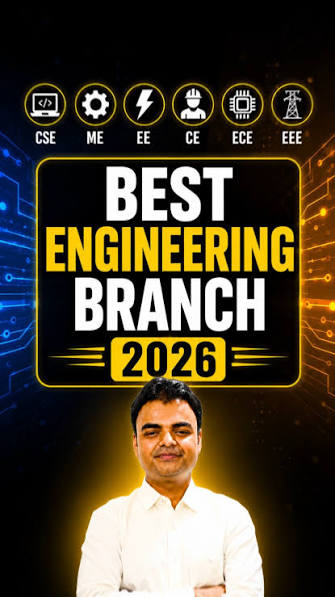
Choosing an engineering branch is a bit like planting a tree — you won’t see the full shape of it for years, so it helps to plant something that’s likely to keep growing. Right now, a handful of branches are showing real staying power, shaped by three big forces: smarter automation, growing cyber risk, and a world rethinking how it gets its energy.
Why Engineers Aren’t Going Out of Style
Engineering has stretched into parts of the economy that never used to need technical people. AI and automation are rewriting job descriptions across the board, so companies now need engineers who can actually build and manage these systems, not just use them. At the same time, industries like banking, healthcare, and retail are deep in digital transformation, and someone has to build and secure all that new infrastructure. Add in rapid urban growth — more people means more roads, buildings, and power grids — and a global push toward clean energy, and you’ve got a job market that needs engineers from several very different corners of the field.
The Branches Worth Considering
Computer Science is still the safest bet. It feeds into software, cloud computing, AI, and security roles across almost every industry. Freshers in India can expect anywhere from ₹6–25 LPA, depending on their specialization, with IT, finance, healthcare, and automotive companies all competing for the same talent pool.
Cybersecurity has become impossible to ignore. As more of life moves online, so does crime, and businesses are paying well for people who can defend their systems — ethical hackers and security architects included.
Data Science thrives on scarcity. Good data professionals are still hard to come by, which keeps salaries strong for data analysts and big data engineers who know how to turn raw numbers into real decisions.
AI and Machine Learning may be the fastest-moving field here. Some estimates put India’s demand for AI professionals at around a million by 2026. The roles range from classic ML engineering to newer titles like AI context engineer — proof of how quickly this space keeps reinventing itself.
Robotics and Automation sits right at the crossroads of mechanical design, electronics, and AI, making it a strong pick for anyone who wants to build the physical machines behind automation.
Renewable Energy Engineering is riding the climate wave. Solar, wind, and EV infrastructure are driving demand for grid integration engineers and sustainability consultants.
The old classics — Mechanical and Electrical Engineering — haven’t disappeared. Mechanical engineering is projected to grow 11% by 2033, and electrical engineering around 7% by 2034, according to labor statistics. Pair either with modern tech skills, and they’re far from outdated.
The Bottom Line
There’s no one “right” branch for everyone. Computer Science and its related fields offer the widest opportunities today, but the best choice really depends on your interests, how much you value salary versus stability, and whether you’d rather work at the edge of new technology or in a field with deep, established roots.
About the Author