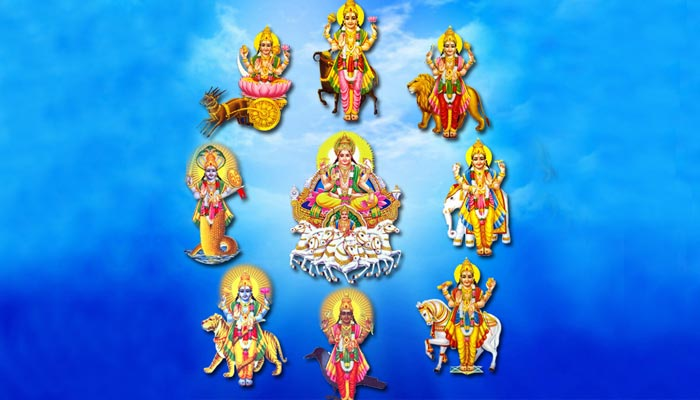

Facts About Navagraha Shanti Puja You Must Know
Ask ten Hindu families about Navagraha Shanti Puja and you’ll probably get ten slightly different answers. Some do it every year, some only once, and some just remember a relative insisting on it before a wedding. Here’s what actually matters if you’re thinking about it.
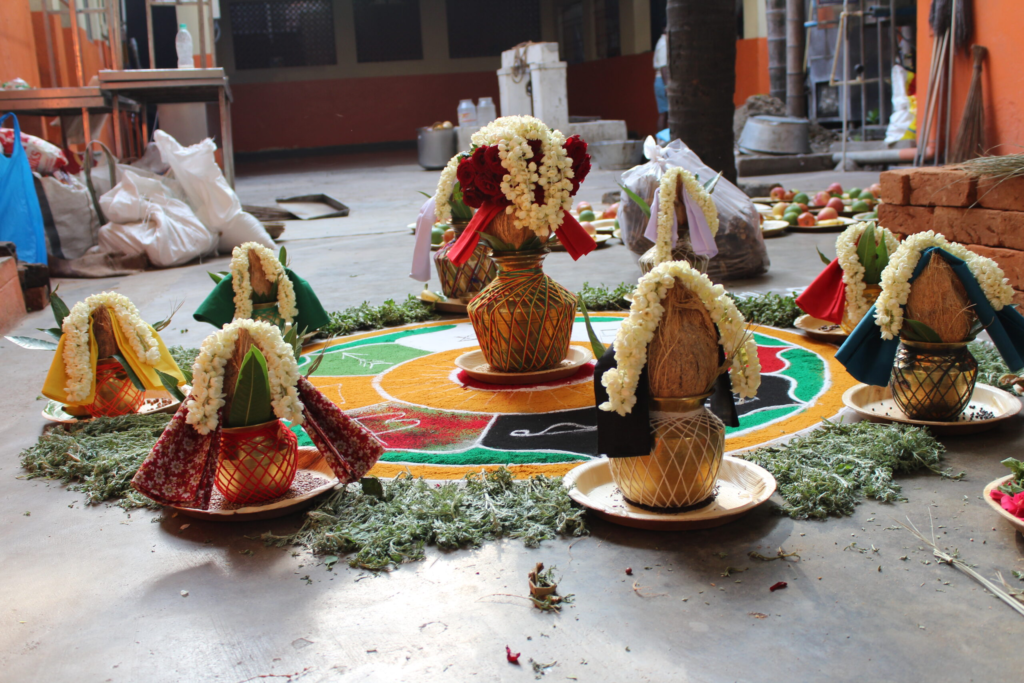
The Basics, Without the Jargon
“Navagraha” simply means nine planets. The belief is that each one pulls on a different part of life, such as health, money, temperament and relationships. When a horoscope shows some of them in a rough position, the puja is performed to settle things down. Nobody promises miracles. Devotees describe it as a way to feel steadier when life seems to be going sideways, whether that’s a long illness, a business that won’t pick up, or tension at home.
Why Trimbakeshwar Gets All the Attention
Trimbakeshwar in Maharashtra is the place most people name first. It houses one of the twelve Jyotirlingas, and the Godavari River rises nearby, which gives the town a strong sense of sanctity. Pilgrims often say the calm surroundings and the presence of saints make the puja feel more serious. But you don’t have to travel. A consecrated temple works, and so does your own home, as long as the rituals are done correctly and you mean it.
How the Ritual Unfolds
It begins with the sankalp, where you state your reason for doing the puja. Then come mantras for each of the nine planets, followed by offerings called naivedya. The ceremony ends with aarti and prasad. Every step has its own meaning, so most people let an experienced pandit lead instead of guessing their way through.
Timing, Frequency and What to Wear
There’s no universal date. Your horoscope decides, and a pandit usually picks a day that suits it. Some people choose a planetary transit or a date that holds personal meaning. Once a year is common, though there’s no fixed rule. Anyone can take part. For clothing, keep it clean and traditional, such as a dhoti or a saree, out of respect for the ritual.
Beyond the Astrology
Plenty of families do this puja mainly to keep a tradition alive and feel closer to their ancestors. Even if you’re unsure about planets and charts, it gives you a pause to think about how life moves in cycles. For many people, that alone makes it worthwhile.
About the Author