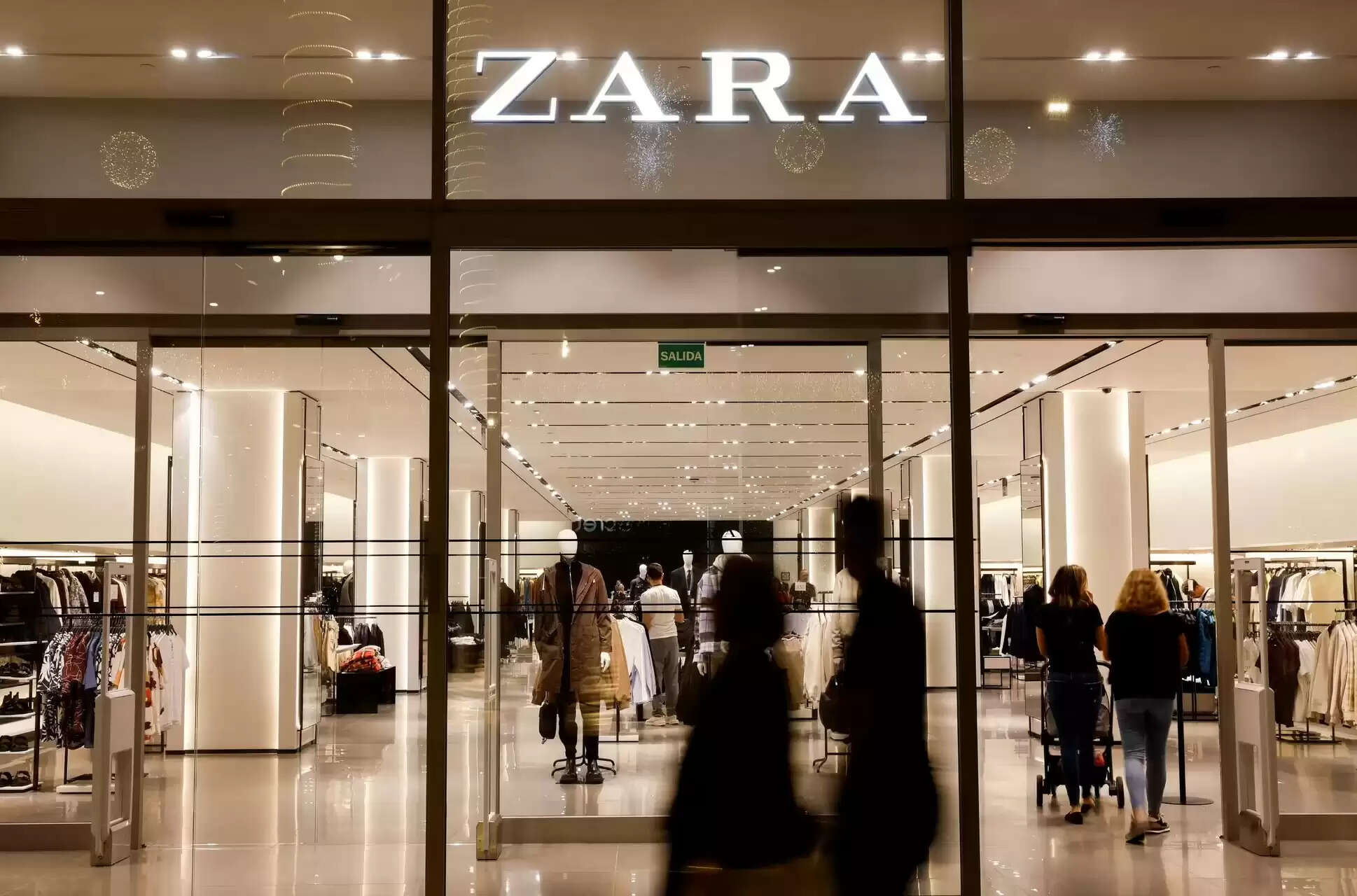

Zara is one of the most well-known brands in the world of fast fashion. Founded in 1975 by Amancio Ortega and Rosalía Mera in Spain, Zara established the concept of affordable, trendy clothing. In today’s world, there are over 2,260 stores in 96 countries offering stylish clothing for men, women, and children.
If you are interested in opening a Zara franchise in India, it is important to understand how Zara conducts its business. Unlike many global retailers, Zara does not operate in a traditional franchising manner in India.

The reason Zara does not franchise in India:
While Zara operates most of its stores in a direct-to-consumer model, in India, it operates through a joint venture with Trent Limited, owned by the Tata Group. This joint venture was established in 2009. Zara holds a 51% stake in the joint venture, and Trent Limited holds a 49% stake.
Because of this structure, no individual investor can open a Zara franchise store in India. All Zara stores are operated under this joint venture, which ensures consistency in brand, supply chain and operations.
Strengths of Zara’s Business
The very first “fast fashion” company was producing garments inspired by runway fashion in a matter of weeks, rather than months.
A broad range of products is sold: men’s, women’s, and children’s clothing, in addition to accessories, shoes, beauty care products, and home goods.
Strong brand loyalty and brand loyalty in metro cities in India.
Zara has one of the fastest inventory turnovers of all retail brands, due to the advanced distribution system of its parent company, Inditex.
Other Fashion Retail Brands That Are Not Under Zara Franchising in India
While not precisely providing a direct alternative to a franchise of Zara’s in India, investors looking for fashion retail to invest in India may consider brands similar to Zara:
1. Allen Solly
Founded: 1744 (England)
Investment requirement: 30 – 75 lakhs INR
Area requirement: 1,000 – 1,200 sq. ft.
Return on Investment (ROI): ~35%
Recognised for: “Friday Dressing,” as well as stylish casual wear.
2. Peter England
Establishment: 1889 (Ireland), entered the Indian market in 1997
Start-up cost: ₹30 – 50 lakhs.
Franchise fees: ₹2 – 3 lakhs.
Return on investment: 25–30% (2–3 years to cover costs).
Description: Well-known for its affordable menswear and formal/casual collections.
3. Raymond
Established: 1925 (India)
Approximate start-up costs: ~₹50 lakhs.
Franchise fees:first year (cash); ₹6 – 10 lakhs + GST;
Size requirements: 600–1200 sq. ft.
Return on investment: 20% (to payback in about 2-4 years).
Description: When it comes to men’s suiting and premium textiles, this brand has a significant presence.
Frequently Asked Questions
1. Do you offer Zara franchises in India?
No, Zara does not work through franchises. They operate only in India through a joint venture with Tata’s Trent Ltd.
2. How much capital will I require to start a store similar to Zara?
To launch a similar brand is generally anywhere from ₹30 lakhs to ₹1 crore, based on the site and sector chosen.
3. What is the return on investment for fashion retail franchises in India?
In general, the average is a return on an investment of 20 -35% while the payback typically takes about 2 – 4 years.
Summary
Although Zara does not offer franchising locations in India, the fashion retail sector is still very viable and popular. Brands such as Allen Solly, Peter England, and Raymond provide solid franchise model opportunities and payback returns. Moreover, for those looking to capitalise on the growing demand India has for stylish clothing and affordable price points, then these are all strong business options.
About the Author