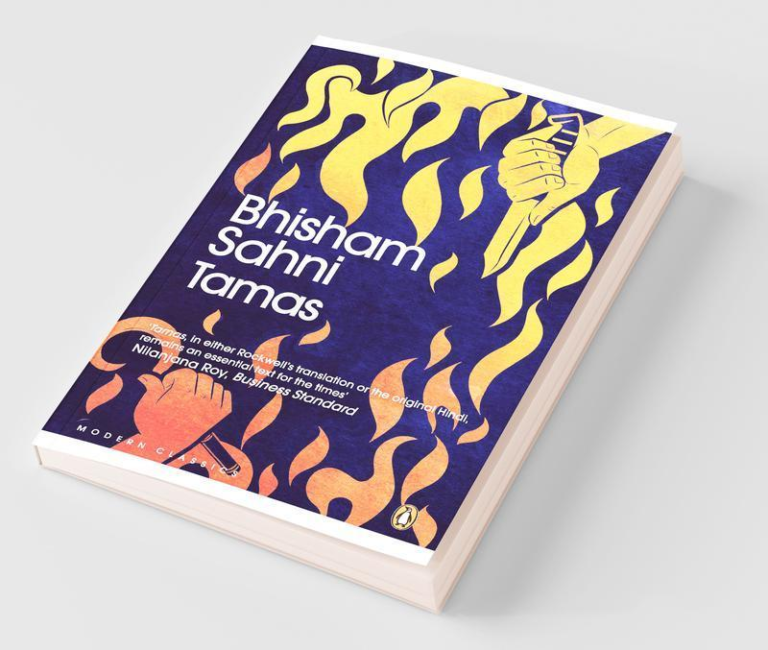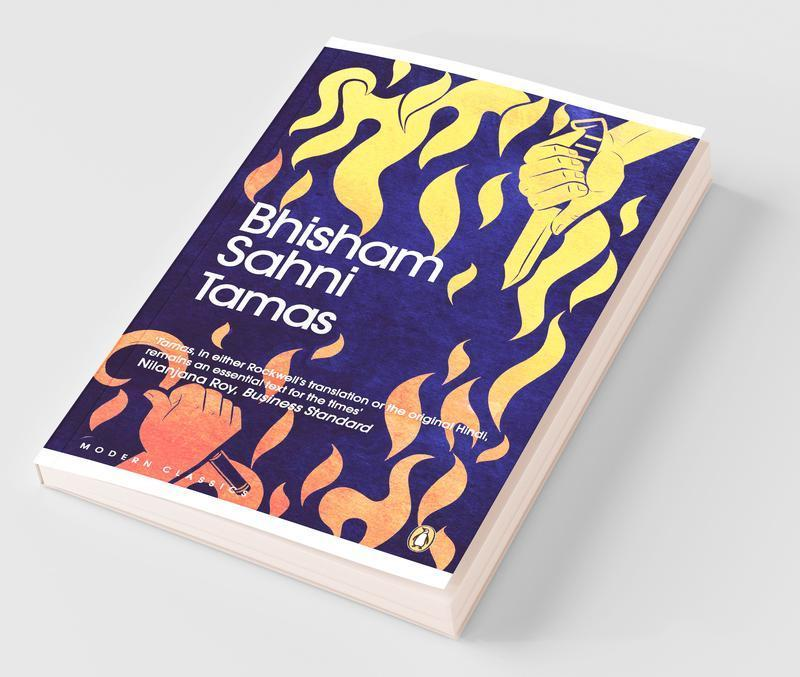

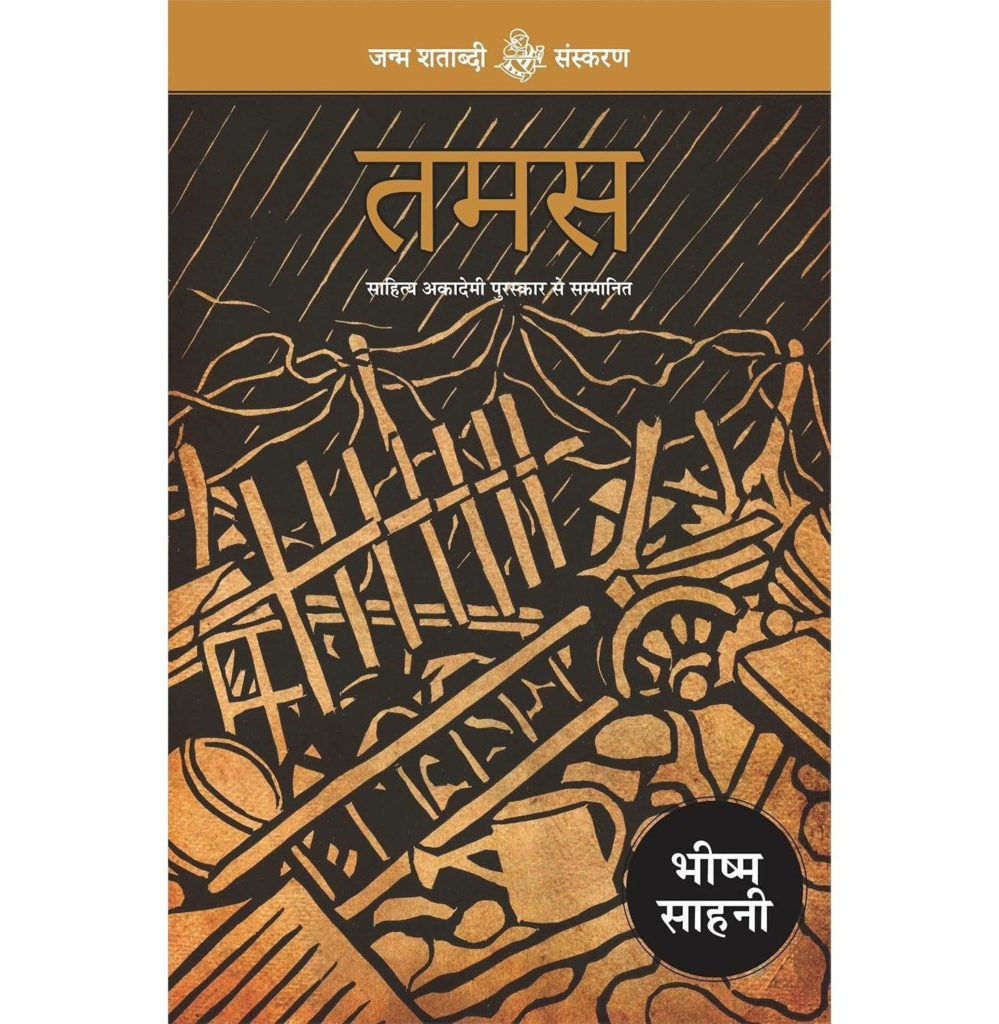
Some books continue to be pertinent even after several decades because they highlight some uncomfortable aspects of human behaviour. One such great literary work is the book titled Tamas by Bhisham Sahni.
This novel highlights the transformation of religious animosity, politics, and everyday misunderstandings into violence against the backdrop of the Partition of India in 1947.
First published in the 1970s, Tamas is still pertinent in 2026. It highlights aspects of communal animosity, fear, and broken relations which offer us lessons about society and mankind.
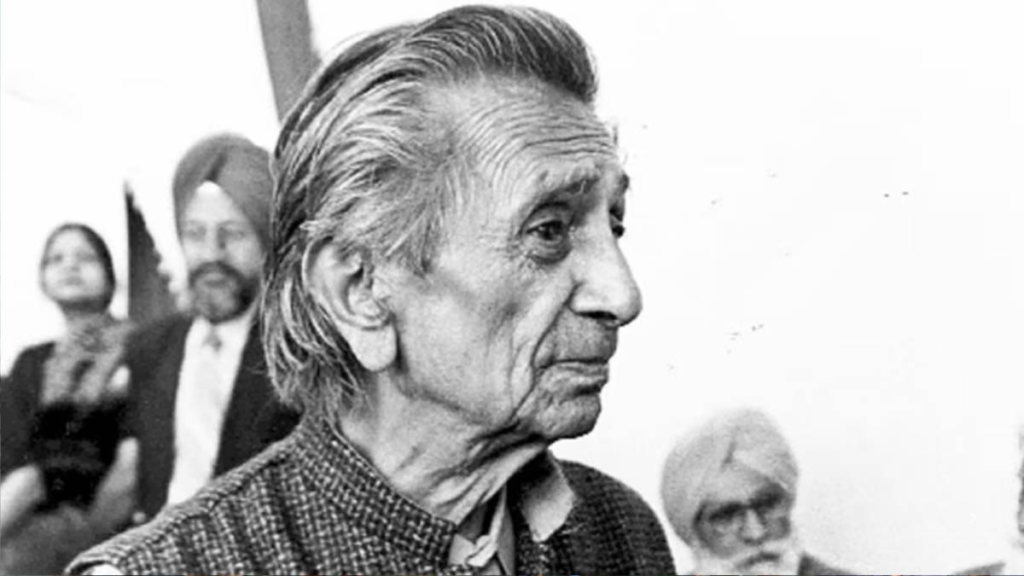
Bhisham Sahni
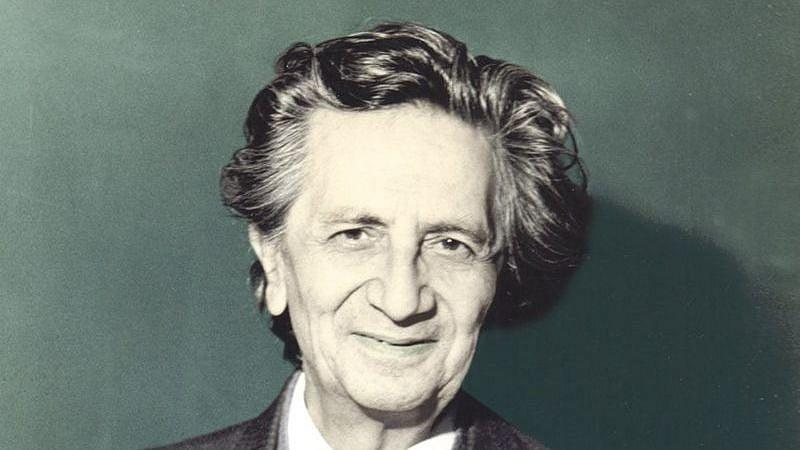
Bhisham Sahni was an eminent Indian writer, playwright, and novelist, born on August 8, 1915, in Rawalpindi, British India.
He came to fame as a result of his realist description of social problems, human relations and politics.
His experience of the Partition had much influence on his writing, especially Tamas.
In 1975, Sahni won the Sahitya Akademi Award for the novel, and in 1998 he was awarded the Padma Bhushan.
The writer died in 2003, becoming an influential figure in Hindi literature.
What Is the Novel Tamas About?
“Tamas” means “darkness”; it is indeed an astounding novel describing the communal riots that took place during the last few months before Indian independence.
The novel is set in a small town in pre-partition India where Hindus, Muslims, and Sikhs had been living peacefully together for generations.
However, growing political hostility began to cause trouble for their peaceful coexistence.
The novel commences with an apparently harmless incident involving a leather worker called Nathu.
This incident shows how a deliberately staged incident can result in fear, violence, and chaos.
The novel does not concentrate on one hero but revolves around many characters whose lives become entwined as a result of this tragedy.
How a Small Incident Started a Tragedy
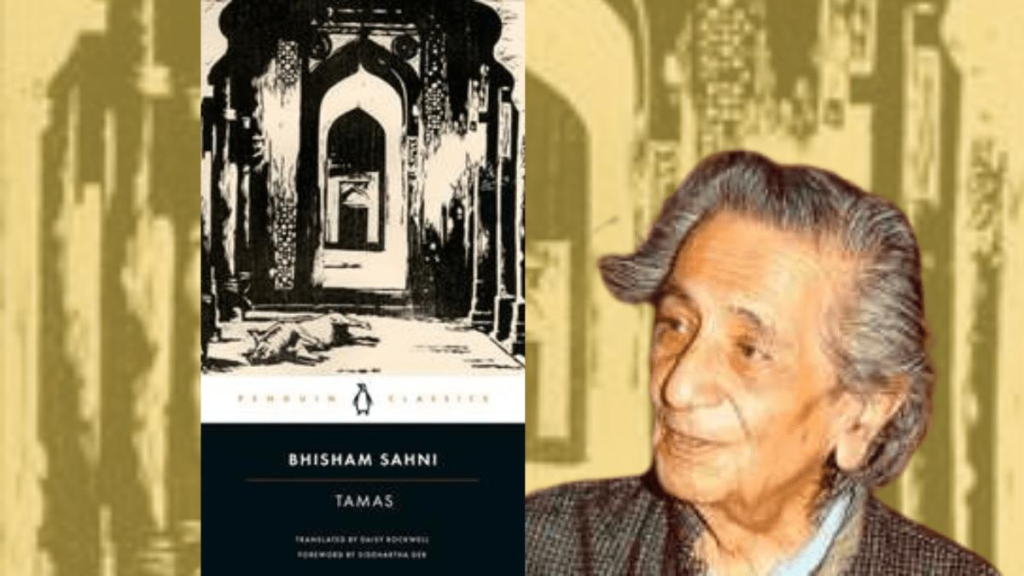
One of the most shocking things about Tamas is how the violence gets started so easily.
A leather worker, Nathu, is paid some money to kill a pig, and he accepts this assignment without realising its consequences.
The carcass of the animal is found near the mosque, which causes unrest and suspicions among community members.
Rumours quickly start spreading and existing religious tensions escalate.
Neighbours who were living peacefully start being afraid of each other.
In this way, Sahni shows how manipulation and misinformation can lead to communal violence.
Role of Political Manipulation
Tamas shows the reader how political interests can affect religious identities and relations in the community.
Various groups seek to increase their influence in a time of uncertainty.
Not everyone seeks cooperation but uses fear of people and their disagreements.
Sahni shows the reader how normal people can suffer from the actions of those who have power.
According to Tamas, communal violence is not an automatic reaction to certain events. It can occur due to existing mistrust and provocations.
Tragedy of Ruined Relations
One of the most touching themes presented in Tamas is the breakdown of relations between different communities.
People who were living in the same neighbourhoods, working in the same places and celebrating together start doubting each other.
Fear gradually replaces familiarity.
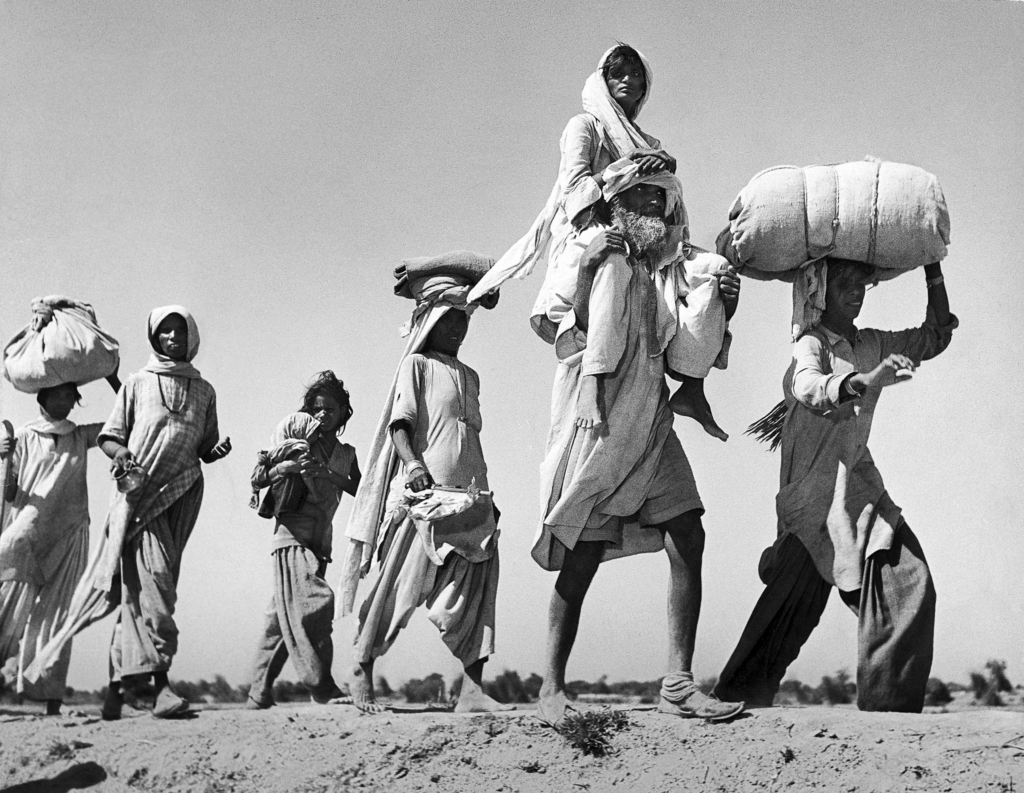
Families are compelled to leave their homes, while established friendships become hard to sustain.
From all this, Sahni reveals how communal violence not only ruins physical infrastructure.
It also ruins trust, sense of belonging and community bonds.
Important Characters in Tamas
Several important characters from various experiences during Partition feature in the novel.
Nathu is one such character, who stands for the vulnerabilities of common people caught up in circumstances they cannot comprehend.
Harnam Singh and his wife Banto are a married Sikh couple who have been through the pain of moving away from their environment.
Richard is an example of a British administrator and represents the problem of colonial power as tensions rise.
There are many other instances through which Sahni shows us these characters.
Tamas and the Partition of India in 1947
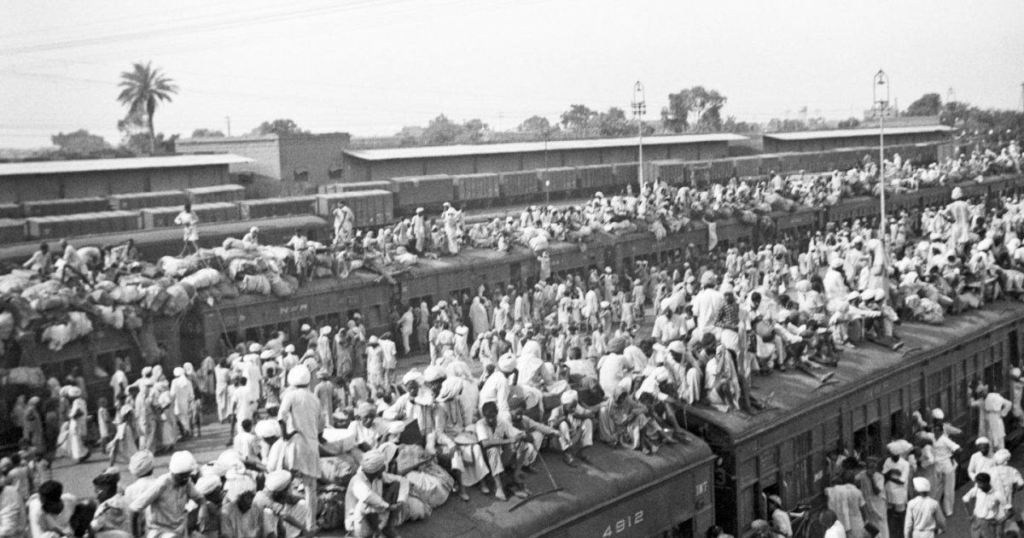
The Partition of British India in 1947 witnessed the formation of two independent nations, India and Pakistan.
The process was accompanied by large-scale migration, inter-communal violence, and immense human tragedies.
Tamas recreates these tragic events through fictional characters based on real-life experiences.
This novel reminds us that history has its impacts on common people.
Adaptation of Tamas into a TV Series
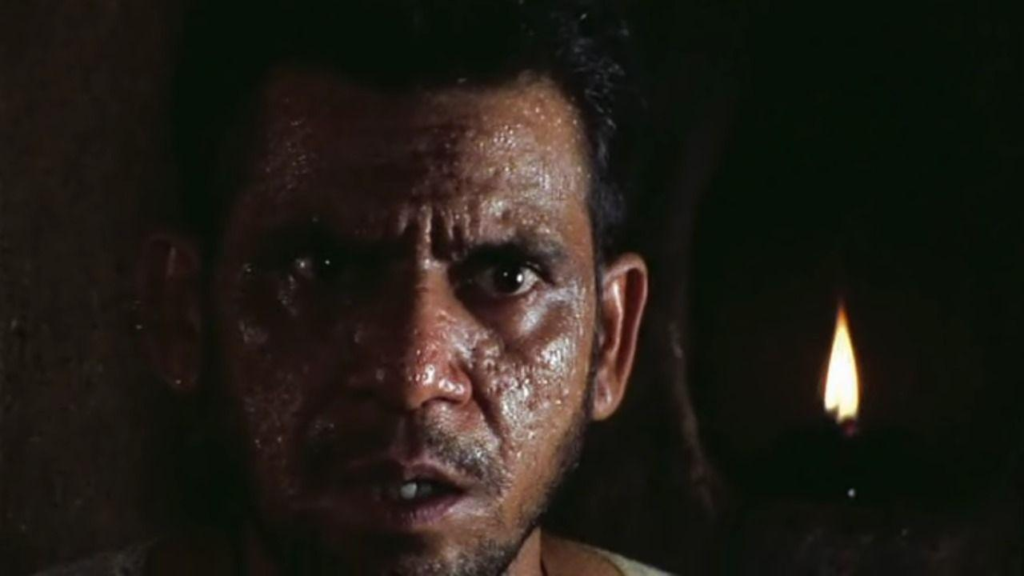
The popularity of the novel increased even more after filmmaker Govind Nihalani made a TV series based on it that aired on Doordarshan in 1988.
This film adaptation starred such actors as Om Puri, Deepa Sahi, Amrish Puri, and A. K. Hangal.
Its realistic acting and emotional narrative acquainted audiences with the novel’s topics.
The adaptation is an important contribution to Indian television.
Why is Tamas Important in 2026?
The topics of Tamas are still relevant today since societies are constantly dealing with prejudices, lies and divisive politics.
The novel illustrates how rumours can create a feeling of fear among people and how emotions of citizens can be easily manipulated.
Also, Tamas teaches us how to verify information before trusting it.
Today, in the time of social networks, this is especially important.
The literature by Sahni promotes empathy, peaceful communication and understanding between communities.
My Personal Favourite
The part I like most about Tamas is that Bhisham Sahni explains the outbreak of the communal riots in what initially seem to be ordinary incidents.
What I like most about the book is the way it talks about common people instead of focusing on politics and leaders only.
The depiction of ruined relationships and displacement gives Tamas emotional depth.
Conclusion
Tamas by Bhisham Sahni is an interesting literary piece about human relations in the era of Partition, religious hate and political machinations.
Through its memorable characters and realistic narrative, the book shows how fast fear and misunderstanding can ruin peaceful relations.
By 2026, Tamas will continue reminding people of the importance of understanding history, overcoming prejudice and safeguarding human relations.
About the Author