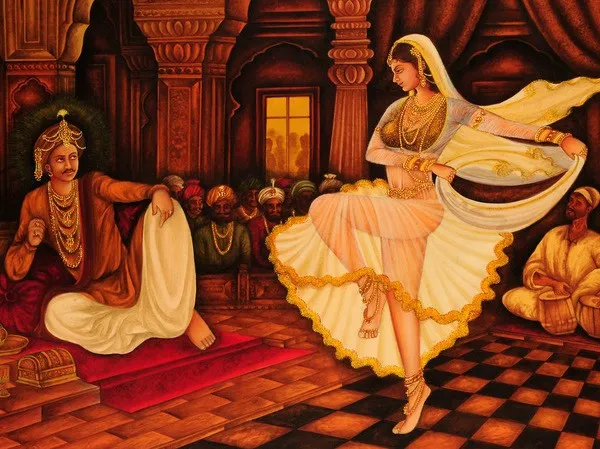

Indian history is a tapestry of great stories, many of which are outstanding, but a few stand out as very mysterious; that is the case with Mastani’s. Remembering her relationship with Peshwa Bajirao I, we still today see much debate about her nearly three centuries after her death. Her beauty, valor, unknown family past, and tragic end have inspired many a storyteller through the generations.
In the 2026 report, we see that interest in Mastani is at a peak, which is also true for people who are interested in the real story behind the famous Bollywood film Bajirao Mastani. While the public image of her as a brave lover is strong in popular culture, what historical records present is a complex picture that raises more questions than answers.
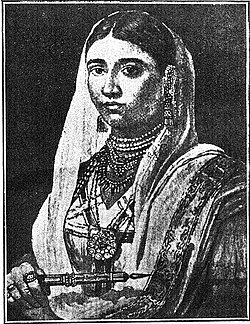
Who Was Mastani?
Mastani was a historical figure of the 18th century which at large was associated with Peshwa Bajirao I, the preeminent military leader of the Maratha Empire.
According to most reports, she was the daughter of Maharaja Chhatrasal of Bundelkhand. Also it is that her mother was Ruhaani Bai which is a woman of Persian Muslim background.
Historians have challenged the details of Mastani’s ancestry. In some reports, she is a princess; in others, she is associated with a royal court.
Her birth date is unknown, as we do not have accurate contemporary records.
The Mystery Surrounding Mastani’s Birth
One of the great enigmas in the Mastani story is her background.
In reports from the past her background which had elements of both Hindu and Muslim culture was noted. This past also reports that this background played a key role in the resistance she faced in Pune.
Other stories present different accounts of her background and birth.
Because at a great distance of time from her life which these accounts report, it is hard to separate fact from fiction.
Her identity has been a topic of debate among historians which study the social and religious issues of 18th century India.
How Mastani Met Peshwa Bajirao
Mastani and Bajirao’s relationship is set during a military campaign in Bundelkhand.
Maharaja Chhatrasal turned to Bajirao for help when his kingdom came under attack by Mughal commander Muhammad Khan Bangash.
Baji Rao stepped in to support Chhatrasal’s cause which was to regain his position.
According to a report which has become a part of history Chhatrasal did in fact marry off Mastani to Bajirao as an act of alliance.
Bajirao was married to Kashibai when he took up with Mastani which created a scandal in the family.
Their exact marriage details are still in question, but their relationship which did become a part of the Maratha history to be remembered by many.
Why did Bajirao’s family oppose Mastani?
Mastani had to deal with great opposition from Bajirao’s relatives and also from elements of Pune’s traditional religious power structure.
Her upbringing and the religious influence of her family went against what was expected at the time.
Bajirao’s position as Peshwa also brought into play political sensitivity. Family alliances and religious practices played large roles in the administration of the Maratha Empire.
Historians report that Mastani was at times confined and out of favor.
Despite those issues Bajirao had that relationship.
Their story came to be a symbol of love against all social odds, which in time also included romantic elements that may not have been present in the actual record of events.
Mastani’s Son and Family Legacy
Mastani and Bajirao had a son whom they named Shamsher Bahadur I, who also went by the name of Krishna Rao.
After the death of his parents, he maintained connections with the Peshwa family.
Shamsher Bahadur later became a military man which included in the Third Battle of Panipat in 1761 where he died.
His progeny formed a strong tie with Banda in Bundelkhand.
This family history is very much a part of Mastani’s past.
The Unresolved Issue of Mastani’s Death.
Of all the questions surrounding Mastani, her death in 1740 is the most interesting.
Bajirao died April 28, 1740, in a place that was not Pune. It is reported that Mastani died soon after; what exactly happened is a mystery.
Some reports say that she died of grief over the news of Bajirao’s death.
Other reports tell of her suicide. Also, it is not that we have concrete proof of these reports.
Her place of burial is in Pabal village, which is near Pune.
Her final days remain a mystery, which the public is still very much interested in.
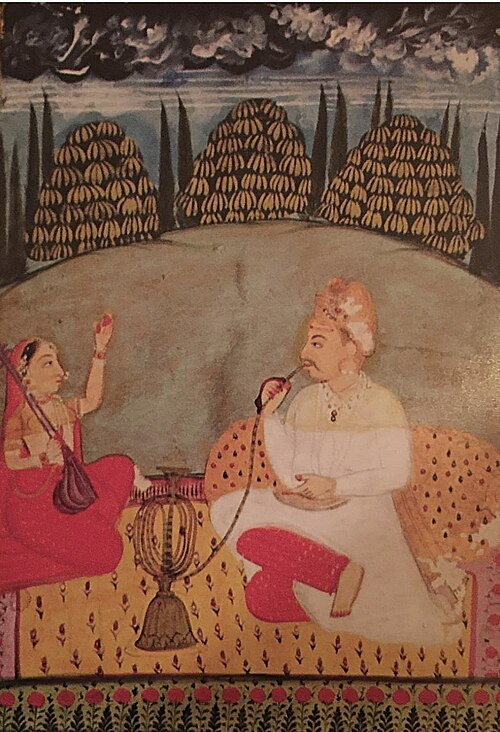
In the life of Princess Mastani and her history.
Mastani’s memory lives in the places which were a part of her life.
In Pune, there is the Raja Dinkar Kelkar Museum, which has on display architectural elements related to Mastani Mahal. However, it is debated by historians as to the exact origin of these remaining structures.
Her legacy in Pabal is also cultural.
Through the years, people from diverse religious backgrounds have visited the site, which was a place of Mastani’s memory.
In 2026, Mastani still is.
Mastani’s fame saw a great rise after Sanjay Leela Bhansali’s 2015 film Bajirao Mastani, which starred Deepika Padukone, Ranveer Singh, and Priyanka Chopra.
The film brought her story to a wider audience through grand costumes, music, and dramatic narrative.
Also, in the case of cinema and reality, they are not to be confused.
In the 2026 release, Mastani is still an enigmatic figure, which is in part due to the fact that we do not know a great deal about her private life.
Conclusion
Mastani’s story remains a mix of history and legend. Her birth place which is a matter of debate, time she spent with Bajirao, issues within the Peshwa family and the enigmatic manner of her death, which still is a mystery to many; these elements make up the large discussion which centers around this woman from Maratha history.
Although in many cases we may never find the full picture, her story is still very much relevant to issues of love, identity, power, and social expectation.
Over 200 years later, Mastani is known to have been more than just Bajirao’s wife; she was a historic figure who still causes controversy and intrigue today.
About the Author