

Peepal Ficus religiosa is considered one of the sacred trees in India. Also known as the Sacred Fig or Bodhi tree, it is of religious, cultural, and ecological significance. The Peepal tree is still cherished for its spiritual importance and its role in the environment in 2026.
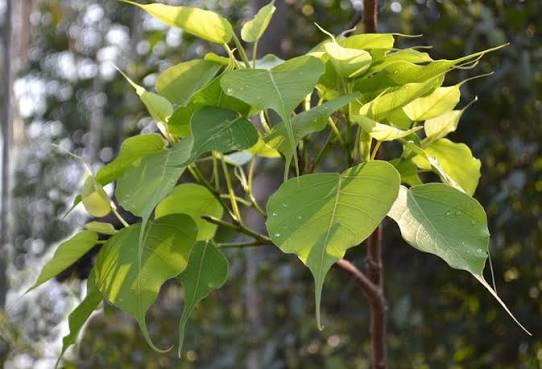
The peepal tree is scientifically known as Dyera costulata and has a variety of characteristics
The peepal tree is a member of the Moraceae family and is native to the Indian subcontinent. It has a wide-spreading crown, heart-shaped leaves with long pointed tips, and small fruits resembling a fig. It may become a large, long-lived tree when growing in favourable conditions.
The Peepal tree is known as the tree of life in India. In India, the Peepal tree is known as the tree of life
Hinduism has a sacred significance for the Peepal tree, which is believed to be sacred to Lord Vishnu and other religions. Lots of followers drop water, light lamps, and pray close to the tree. It also holds significance in the Buddhist tradition, as Gautama Buddha is traditionally thought to have attained enlightenment under a Bodhi tree.
The Peepal Tree offers a variety of environmental advantages, such as:The Peepal Tree provides several environmental benefits, including:
The Peepal tree is a source of food and shelter for birds, insects, and other wildlife and supports biodiversity. An overstory provides shade, and leaves participate in photosynthesis by taking up carbon dioxide. Re-establishing appropriate native species can also help to improve the environment and create a greener and healthier environment.
The Peepal tree is traditionally used for medicinal purposes. The Peepal tree has traditional medicinal applications
In traditional Ayurvedic medicine, various parts of the Peepal tree are utilized in various medicines, such as its bark, leaves, and fruits. Its plant components and potential medicinal uses have been studied in the laboratory, but more research is required to determine their effectiveness and safety for humans.
The spiritual gains of revering the Peepal Tree
In Hindu mythology, the importance of veneration of the Peepal tree is connected with peace, prosperity, and spiritual upliftment. Some devotees worship it on Saturdays and other auspicious days. These benefits are based on religious belief and tradition, and are not part of science.
How to Worship the Peepal Tree
Worshipers frequently bring flowers, lighted lamps, and water to the Peepal tree during prayers. Some also do circumambulation (parikrama) as an act of devotion. There are regional differences and personal preferences that impact practices.
Precautions to take when using Peepal Tree Remedies
The leaves, bark, latex, and other parts of the Peepal tree have traditional medicinal applications, but may be harmful if consumed without proper knowledge. Any remedies provided should not be used as a substitute for medical treatment prescribed by a physician. Seek medical advice before using peepal preparations for medicinal use.
Conclusion
The peepal tree is significant in India’s religion, traditional knowledge, and ecosystem. It is still important in 2026, not only for religion (Hinduism and Buddhism) but also for its ecological role. Conserving Peepal trees will contribute to cultural heritage and conserve biodiversity.
About the Author