
Indian cinema is home to the greatest of filmmakers who have left a mark in world cinema’s history. From realistic stories of average folks to large-scale commercial blockbusters, Indian directors have been at the forefront of the transformation of the film-going experience.
List of 20 of the most remarkable Indian movie directors :
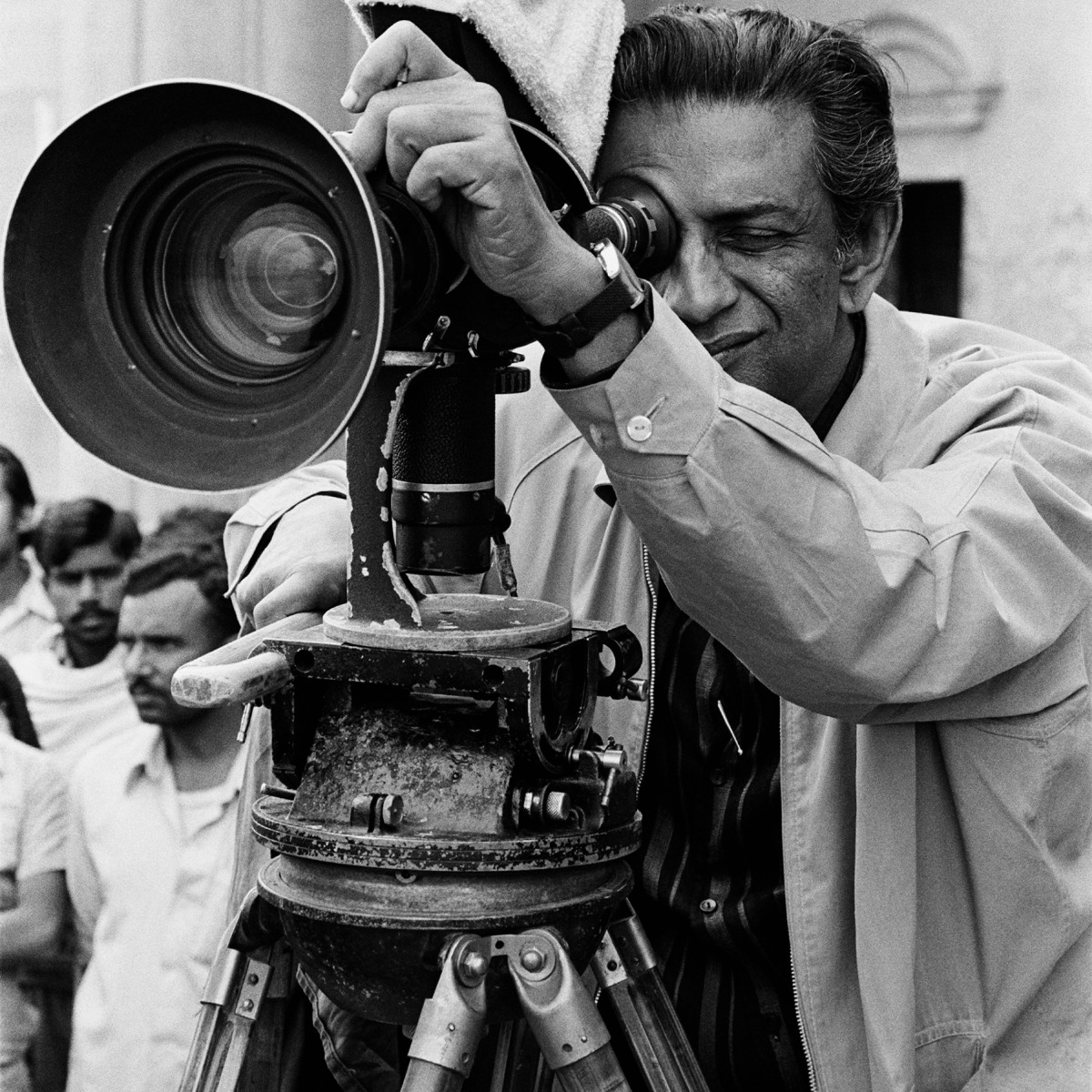
1. Satyajit Ray
Satyajit Ray is regarded as one of India’s great filmmakers and a founder of realist cinema. Born in 1921 in Calcutta, he got into film after a period in advertising. His first film, Pather Panchali, won him international fame, which in turn started the Apu Trilogy.
2. Guru Dutt
Guru Dutt was an eminent director, actor, and producer of very emotional and visual poignancy. In his films, which include Pyaasa and Kaagaz Ke Phool, he looked at issues of loneliness, love, failure, and social issues. Although his career was but a short one, his impact on Indian cinema is huge.
3. Bimal Roy
Bimal Roy was a key player in the golden age of Hindi cinema. He is known for blending social realism with emotional storytelling in his films. In Do Bigha Zamin, Madhumati, and Devdas, he proved that social issues related to poverty, relationships, and social inequality could be handled with great sensitivity.
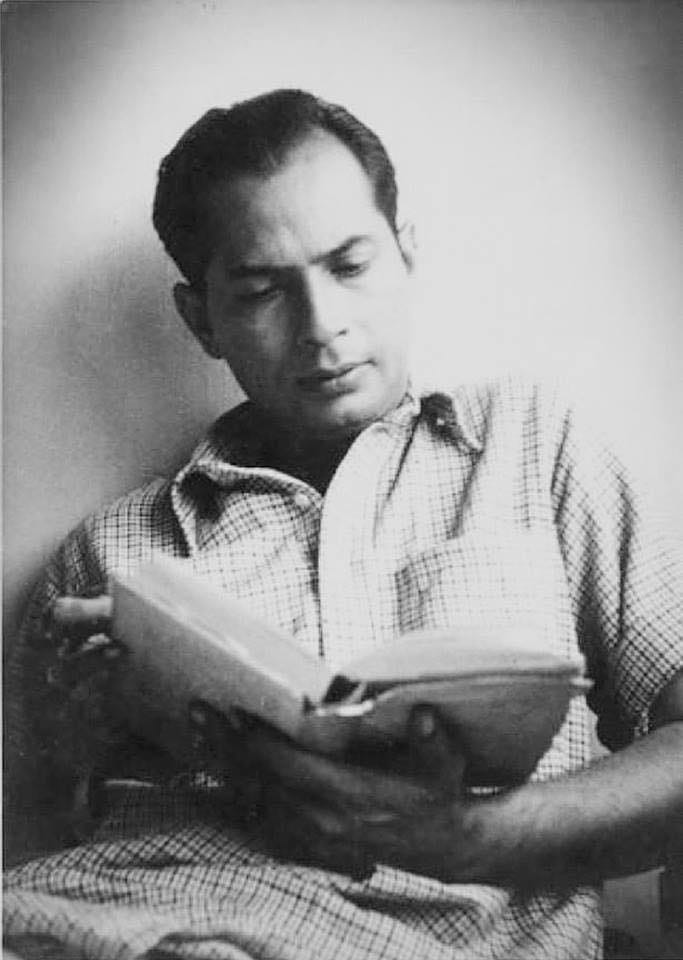
4. Raj Kapoor
Raj Kapoor was a star figure in the Indian film industry. As a director and actor, he put out films that had a mix of entertainment and social issues.
5. Ritwik Ghatak
Ritwik Ghatak produced strong films on the themes of displacement, partition, and human suffering. Works like Meghe Dhaka Tara and Subarnarekha depicted the emotional results of Partition. Although his films did not always do well at the box office they in terms of art grew in value over time.
6. Shyam Benegal
Shyam Benegal became a leading figure of India’s parallel cinema movement. In it, he explored social and political issues. Ankur, Nishant, and Manthan, which he made early in his career, also set him apart as a reflective director who paid special attention to rural life, class, and social structures.
7. Adoor Gopalakrishnan
Adoor Gopalakrishnan is a very respected filmmaker from Kerala. He directs slow-moving and very realistic films which study ordinary people and social change. In Swayamvaram, Elippathayam and Mathilukal, he achieved major national and international success.
8. Mani Ratnam
Mani Ratnam revolutionized modern Indian film with his distinctive visual style and in-depth character studies. He made films like Roja, Bombay, Dil Se and Iruvar, which looked at love, politics, terrorism, and identity issues and also put forth innovative ideas in filmmaking.
9. Ramesh Sippy
Ramesh Sippy became a legend when he directed Sholay, which is one of the most iconic films in Indian cinema. What he did was to put together action, drama, comedy, and great characters, which we still see in influence today in Indian popular culture.
10. Hrishikesh Mukherjee
Hrishikesh Mukherjee was known for his simple, warm, and relatable films. He put out movies like Anand, Gol Maal and Chupke Chupke, which revolved around the common man and what is true in human values. To this day, his work is popular for its humor and emotional truth.
11. Adoor Gopalakrishnan
Adoor, a major player in Malayalam parallel cinema, is known for his realist approach and in-depth philosophy. Also, his work brought regional Indian films to the world stage.
12. K. Balachander
K. Balachander was a very influential figure in the Tamil film industry, which he achieved through the introduction of strong characters and atypical social issues in his movies. He is also known for putting traditional relationships, gender, and family structures to the test.
13. Shankar
Shankar was a mainstay in Tamil cinema’s commercial success. He did large-scale productions and also took on social issues in his films, which included Indian, Jeans and Sivaji. What made him unique was his mix of grand spectacle and social commentary.
14. Mani Kaul
Mani Kaul was a key player in India’s arthouse cinema. What he brought to the table in terms of unique narratives, experimental visuals, and his take on time and storytelling made films like Uski Roti and Duvidha important to the Indian cinema scene.
15. Anurag Kashyap
Anurag Kashyap brought in a different, edgier approach to modern Hindi cinema. In Black Friday, Dev.D, and Gangs of Wasseypur, he looked at crime, youth, violence, and social issues through a very unique lens.
16. Vishal Bhardwaj
Vishal Bhardwaj is known for his unique take on literature, music, and Indian social issues. In fact, with his adaptations of Shakespeare’s work like Maqbool, Omkara, and Haider, he showed that classic tales can be translated into intense contemporary Indian narratives.
17. Rajkumar Hirani
Rajkumar Hirani is a director who saw great success in the Hindi film industry. He put out films like *Munna Bhai M.B.B.S., 3 Idiots and PK, which had a mix of humor and social messages related to education, society, friendship, and human values.
18. S. S. Rajamouli
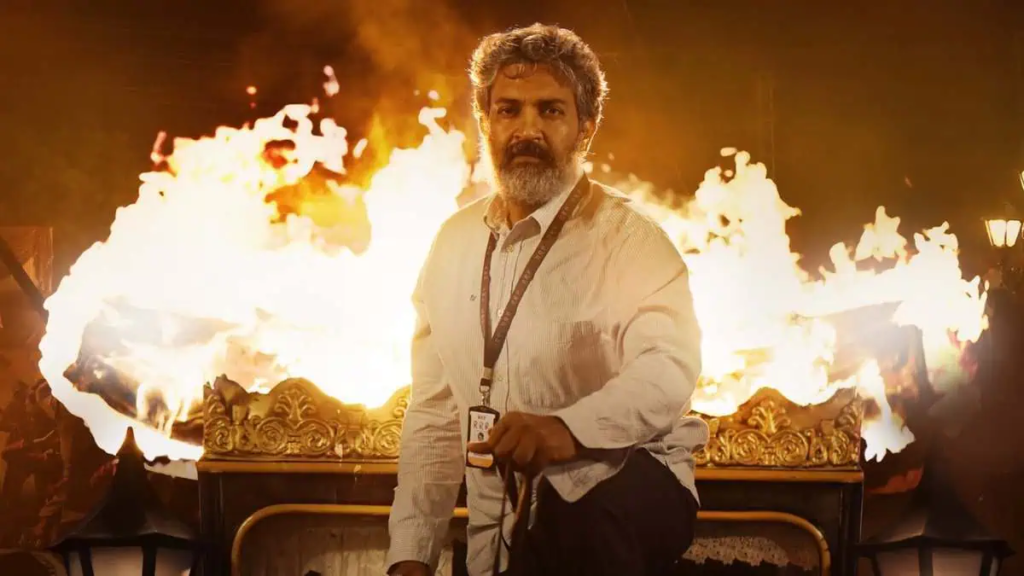
In Baahubali and RRR, we see his play with mythological elements, action, emotion, and visual spectacle. Also, RRR, which saw success abroad, brought home an Academy Award for its track “Nattu Nattu.
19. Zoya Akhtar
Zoya Akhtar is a leading present-day director in Hindi cinema. In her body of work, which includes Zindagi Na Milegi Dobara, Dil Dhadakne Do and Gully Boy, we see them deal with issues of friendship, family, ambition, class and identity. Also, her films have very modern and relatable characters.
20. Shoojit Sircar
Shoojit Sircar is known for his thought-provoking films which are based on the ordinary. Works like Vicky Donor, Piku, and October show his talent to bring out great emotion in what may at first seem very basic stories and everyday characters.
Conclusion
Among these 20 directors, we see a range of times, languages, genres, and approaches to filmmaking. From Satyajit Ray’s realist take to Rajamouli’s grand-scale stories, each of these filmmakers brings something very unique to Indian cinema. Their films, which entertain large audiences, also reflect upon Indian society, challenge the status quo, put forth new ideas, and in turn influence a large number of filmmakers. What is left by these directors’ bodies of work is that Indian cinema is not defined by a single style; it is a very diverse and ever-evolving art form.
About the Author