
Mass gainers are everywhere now, especially among people looking to bulk up and add muscle. The idea is simple: pack a bunch of calories, carbs, and protein into a scoop, toss it in a shake, and you’ve got an easy way to eat more. But slamming down shakes isn’t a magic ticket to muscle—if you’re taking in way more calories than you need, your body stores the extra as fat, not muscle.
One thing you might notice right away with mass gainers is how they can hit your stomach. You knock back a big shake, and next thing you know, you’re bloated, gassy, maybe cramped up or running to the bathroom. This gets worse if you’re sensitive to something in the powder—lactose can be a big culprit for a lot of people. If dairy usually bothers you, steer clear of any gainer loaded with it.
Gaining Fat Along With Muscle
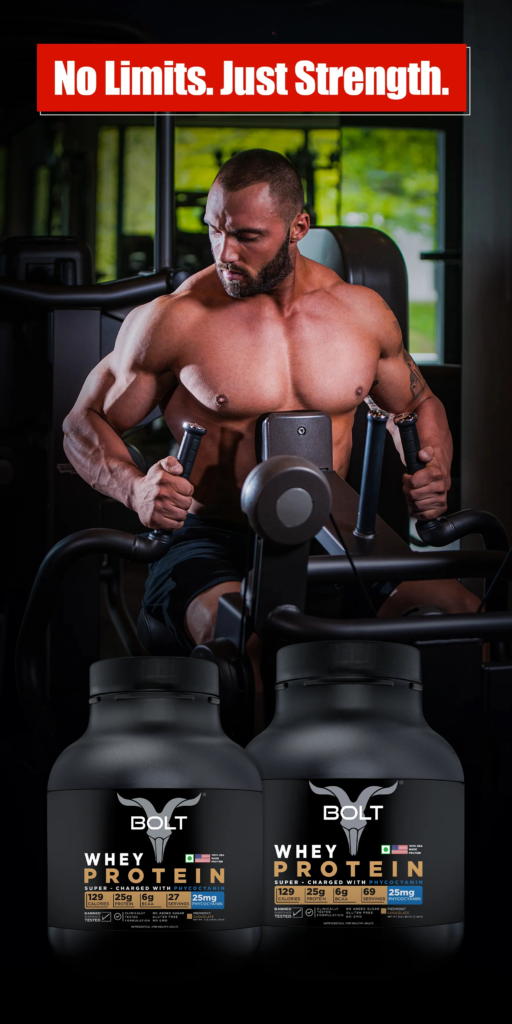
These powders are made for quick calories, and that can catch up with you fast. If you’re not careful about the rest of your diet, you’ll pack on body fat too. Don’t forget—protein adds to your calorie count just like carbs do. Eating more than your body actually needs will just lead to unwanted fat, not just muscle.
Too Much Protein Doesn’t Help
Everyone says to eat more protein when you’re training, but there’s a limit. Overdoing it can actually make you feel worse. Too much protein, without enough water or fiber, means constipation and dehydration become pretty common. If you’ve got kidney issues, adding tons of extra protein without checking in with a doctor can be risky.
Sneaky Sugars and Weird Additives
You’ve really got to check the label on mass gainer powders. A lot of them are loaded with sugars and ingredients that aren’t doing you any favors. Every brand is different—some put way more sugar or odd fillers into their formula than others. Reports from places like Harvard Health say you should always look for extra sugars, sketchy ingredients, or even contaminants. Seriously, it pays to read.
Supplements Aren’t Always Safe
Honestly, the supplement market can be the Wild West. The FDA doesn’t keep a close watch on these things, so companies have a lot of wiggle room. Every year, some products get busted for hiding steroids or things you don’t want in your system. Check the label, look for third-party testing, and don’t just trust the flashy promises on the tub.
How to Use Mass Gainers Without Going Overboard
Keep these shakes as a supplement, not a replacement for real meals. Get as much of your nutrition as you can from actual food—think whole proteins, carbs, good fats, and plenty of fruits and veggies. If you have health problems or take medication, check with a doctor before getting into supplements. Powders can interact with meds or trigger side effects you weren’t expecting.
The Bottom Line
Mass gainers can be handy if you truly can’t eat enough to hit your goals, but they’re not a shortcut or a replacement for training, sleep, or real meals. Do your homework, read labels, and don’t get carried away with serving sizes. At the end of the day, these products are convenient, not essential. Focus on steady, healthy weight gain—not just chasing bigger numbers on the scale. That’s what really works long-term.
About the Author