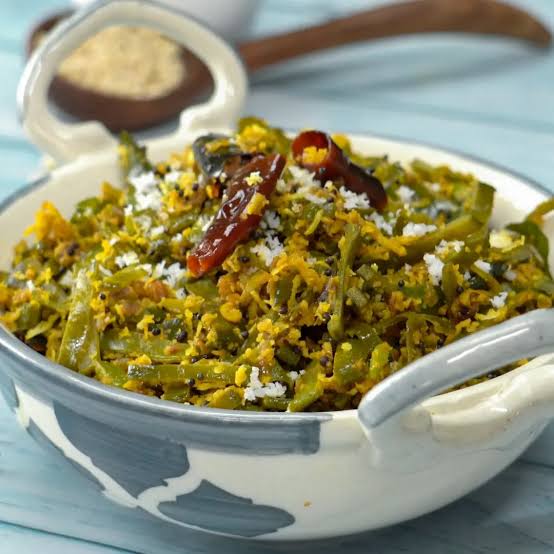

Avarakkai Poriyal is a traditional South Indian vegetable dish prepared using fresh broad beans, grated coconut, and a simple tempering of mustard seeds, urad dal, and curry leaves. Popular in Tamil Nadu households, this nutritious side dish is known for its mild spices, natural vegetable flavour, and delicious coconut seasoning.
It is easy to prepare, requires everyday kitchen ingredients, and pairs beautifully with rice, sambar, rasam, and curd rice. If you are looking for a simple homemade vegetable recipe in 2026, Avarakkai Poriyal is an excellent addition to your meal.
Also read: Top Indian Sneaker Brands In 2026
What Is Avarakkai Poriyal?
Avarakkai Poriyal is a Tamil-style stir-fried vegetable preparation made using avarakkai, commonly known as Indian broad beans or hyacinth beans. The beans are chopped into small pieces, cooked until tender, and seasoned with a flavourful tempering.
Freshly grated coconut is added towards the end to provide a mildly sweet flavour and traditional South Indian taste. Unlike heavily spiced curries, poriyal uses simple seasonings that allow the natural flavour of the vegetables to stand out.
Preparation Time and Cooking Details
| Category | Details |
|---|---|
| Preparation time | 10 minutes |
| Cooking time | 15–20 minutes |
| Total time | 25–30 minutes |
| Servings | 3–4 people |
| Cuisine | South Indian |
| Course | Side dish |
| Cooking method | Stovetop |
| Difficulty | Easy |
Ingredients Required for Avarakkai Poriyal
The following ingredients are sufficient to prepare Avarakkai Poriyal for approximately three to four people.
Main Ingredients
- 250 grams fresh avarakkai (broad beans)
- ½ cup freshly grated coconut
- 1 medium-sized onion (optional)
- 2 green chillies
- ¼ teaspoon turmeric powder
- Salt to taste
- 2–3 tablespoons water
For Tempering
- 1 tablespoon cooking oil
- ½ teaspoon mustard seeds
- 1 teaspoon urad dal
- ½ teaspoon cumin seeds (optional)
- 1 dried red chilli
- 1 sprig curry leaves
- A pinch of asafoetida (hing)
How to Prepare Avarakkai Poriyal Step by Step
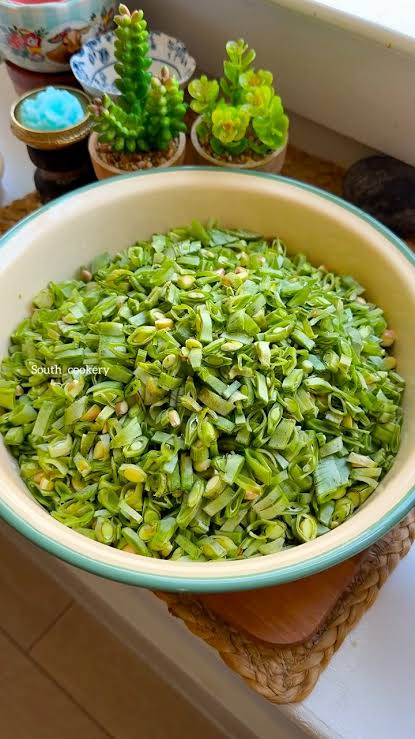
Step 1: Clean and Chop the Avarakkai
Wash the broad beans thoroughly under running water. Remove the ends and strings, if present, and chop the beans into small, even pieces.
Smaller pieces cook more evenly and are easier to eat. Keep the chopped vegetables aside.
Step 2: Prepare the Tempering
- Heat oil in a kadai or frying pan.
- Add mustard seeds and allow them to splutter.
- Add urad dal and sauté until light golden.
- Add cumin seeds, dried red chilli, and curry leaves.
- Add a pinch of asafoetida for additional flavour.
Step 3: Add Onions and Green Chillies
Add finely chopped onions and green chillies to the tempering.
Sauté for two to three minutes until the onions become soft and translucent. You can skip the onions if you prefer a traditional onion-free version.
Step 4: Cook the Broad Beans
<AsyncImage query=”avarakkai broad beans cooking in kadai with turmeric and spices” aspectRatio=”16:9″ width=”100%”/>
- Add the chopped avarakkai to the pan.
- Sprinkle turmeric powder and salt.
- Mix everything thoroughly.
- Add two to three tablespoons of water.
- Cover the pan and cook over medium-low heat for approximately 8–12 minutes.
Stir occasionally to prevent sticking. The beans should become tender while retaining a slight bite.
Step 5: Add Fresh Coconut
Once the broad beans are cooked, remove the lid and allow any excess moisture to evaporate.
Add freshly grated coconut and mix gently. Cook for another two minutes on low heat so that the coconut combines with the vegetables.
Step 6: Serve Hot
Turn off the heat and transfer the poriyal to a serving bowl. Your delicious homemade Avarakkai Poriyal is ready!
Tips for Making Perfect Avarakkai Poriyal
- Choose fresh beans: Select bright green, firm broad beans for the best taste and texture.
- Chop evenly: Uniformly sized pieces help the vegetables cook consistently.
- Avoid excess water: Broad beans release some moisture while cooking, so use only a little water.
- Use fresh coconut: Freshly grated coconut provides better flavour and texture than dried coconut.
- Do not overcook: Cook until tender but avoid making the beans too soft or mushy.
- Adjust the spice level: Add more green chillies if you prefer a spicier poriyal.
- Cook on low heat after adding coconut: This helps preserve the coconut’s flavour.
What to Serve with Avarakkai Poriyal?
Avarakkai Poriyal is a versatile side dish that complements several traditional South Indian meals.
| Main dish | Why it pairs well |
|---|---|
| Steamed rice and sambar | A classic South Indian combination |
| Rasam rice | Adds vegetable texture to a light meal |
| Curd rice | Balances the mild spice and coconut flavour |
| Lemon rice | Complements the tangy rice preparation |
| Tamarind rice | Provides a mild vegetable accompaniment |
| Chapati | Makes a simple vegetarian meal |
Nutritional Benefits of Avarakkai
Avarakkai is a nutritious vegetable that can contribute to a balanced diet.
- Dietary fibre: Supports digestive health and helps maintain regular bowel movements.
- Plant-based nutrients: Provides vitamins and minerals that contribute to overall nutrition.
- Folate: Helps support normal cell growth and development.
- Plant protein: Contributes a modest amount of plant-based protein.
- Low in calories: Broad beans can be included in balanced meals without adding excessive calories.
The nutritional value of the finished dish depends on the quantity of coconut, oil, and other ingredients used.
Variations of Avarakkai Poriyal
You can customise this recipe using a few simple ingredients.
1. Avarakkai Poriyal Without Coconut
If you prefer a lighter preparation, skip the grated coconut. Cook the broad beans with mustard seeds, urad dal, green chillies, turmeric, and curry leaves.
2. Avarakkai Poriyal with Moong Dal
Add two tablespoons of soaked moong dal while cooking the beans. This gives the poriyal a slightly different texture and adds plant-based protein.
3. Spicy Avarakkai Poriyal
Add crushed garlic, extra green chillies, and a little freshly ground black pepper to create a spicier variation.
4. Avarakkai Poriyal with Onion
Add finely chopped onions before adding the beans. The onions provide mild sweetness and make the dish more flavourful.
Frequently Asked Questions (FAQs)
1. What is Avarakkai called in English?
Avarakkai is commonly called Indian broad beans or hyacinth beans in English.
2. How long does Avarakkai take to cook?
Chopped broad beans generally take around 8–12 minutes to cook in a covered pan, depending on their freshness and size.
3. Can I make Avarakkai Poriyal without coconut?
Yes. You can prepare it without coconut using a simple tempering of mustard seeds, urad dal, green chillies, turmeric, and curry leaves.
4. Is Avarakkai Poriyal healthy?
Yes. Broad beans provide dietary fibre and several nutrients. The dish can be part of a balanced meal when prepared with moderate amounts of oil and coconut.
5. Can I prepare Avarakkai Poriyal in advance?
Yes. You can prepare it in advance and refrigerate it in an airtight container. Consume within two to three days and reheat thoroughly before serving.
6. Why does my Avarakkai Poriyal become mushy?
Excess water, overcooking, or cutting the beans into very small pieces can make the poriyal mushy. Use minimal water and cook until the beans are just tender.
Also Read: Top 10 Indie Perfume Fragrance Brands In India In 2026
Conclusion
Avarakkai Poriyal is a simple, nutritious, and flavourful South Indian side dish that can be prepared using everyday ingredients. The combination of tender broad beans, aromatic tempering, green chillies, and freshly grated coconut creates a delicious accompaniment for traditional Indian meals.
Whether served with sambar rice, rasam, or curd rice, this easy recipe brings the comforting flavours of Tamil Nadu home cooking to your dining table. Try it in 2026 and enjoy a wholesome homemade vegetable dish with your family.
About the Author