Amrita Pritam

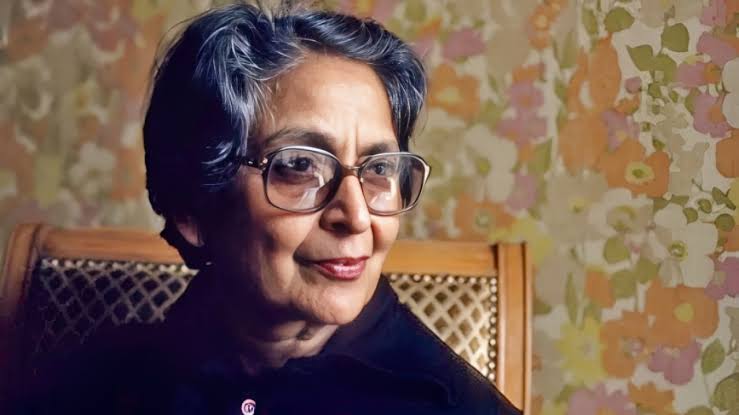
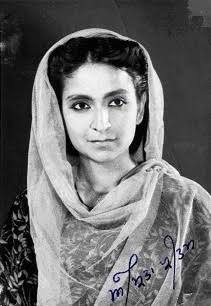
Amrita Pritam is a very much a figure at the forefront of what is today considered great work in Indian literature, known for her very personal poetry, powerful stories, and for fearlessly looking at women’s issues. What is also noted is her breaking across language and cultural lines, which she did through her works on love, separation, identity, and the issue of Partition. In 2026, we see that her legacy is very much alive, and what still speaks to people is what is rooted in human emotion.
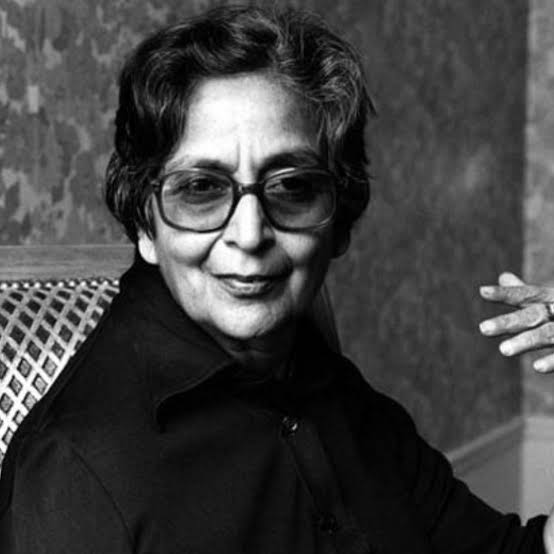
Who Was Amrita Pritam?
Amrita Pritam was born on August 31, 1919, in Gujranwala, which is now in Pakistan. From a young age, she took to writing and put out her first collection of poetry in her teens. She wrote mainly in Punjabi and Hindi, which made her a prominent name in modern Indian literature.
The years of the Indian Partition in 1947, which shaped her is that which also influenced her work. The issue of violence, displacement, and suffering of the common man became the recurring theme in her poetry and prose.
Understanding Grooves of My Soul
In the case of Grooves of My Soul, Amrita Pritam’s personal and literary worlds are put under the microscope. That which the phrase brings forward is the idea of lasting love’s impressions, memories, struggles, and creative growth that transpire in a person’s life. Also, it must be noted that her writing did so through very personal reflections and charged emotional language.
Pritam’s poetry looked at women’s independence, emotional vulnerability, and the issue of personal identity. She went beyond what was expected of her by writing on what, at the time, were very difficult and controversial topics. Pritam’s unique voice allowed readers to see into her life, which also invited them to reflect on their own.
Famous Works and Literary Achievements
One of the greatest poems Amrita Pritam ever wrote is Ajj Aakhaan Waris Shah Nu, which is a response to the violence of Partition. To War, Poet Waris Shah, this poem also includes the grief of a people, which is that of the Punjab at the violence done to it and its people.
Her acclaimed novel Pinjar tells the story of a woman’s struggle within social division and personal tragedy, which is a result of Partition. It was also made into a film.
Pritam won over the years a number of important literary awards, which included the Sahitya Akademi Award in 1956, the Jnanpith Award in 1982, and the Padma Shri and Padma Vibhushan for her work in literature.
Amrita Pritam’s Legacy in 2026
Amrita Pritam’s work still connects with readers which is through her exploration of universal emotions and important social issues. Also known for her courage in putting forward women’s issues, which in turn expanded the frontiers of modern Indian literature.
Conclusion
Amrita Pritam’s body of work is a testament to her creative genius, strength, and emotional truth. Her poems and prose still speak to us across generations, which in turn introduces us to a unique voice that, in 2026 and beyond, continues to grow.
About the Author