X’s Story in 2026: From Tiny Tweets to an “Everything App” Experiment
A Podcast Flop That Changed Social Media
Twitter began as a side idea inside Odeo, a struggling podcasting startup. In 2006, Jack Dorsey, Biz Stone, Evan Williams and Noah Glass turned a quick-status-update experiment into something people couldn’t put down. Dorsey’s first post, “just setting up my twttr,” is now internet folklore. Glass, who came up with the name, rarely gets the credit he deserves.
The 140-character limit forced people to be brief, and that brevity made Twitter the fastest place to catch breaking news, jokes and public arguments. Doubling the limit to 280 characters in 2017 gave users a bit more room without losing that pace.
The Musk Era
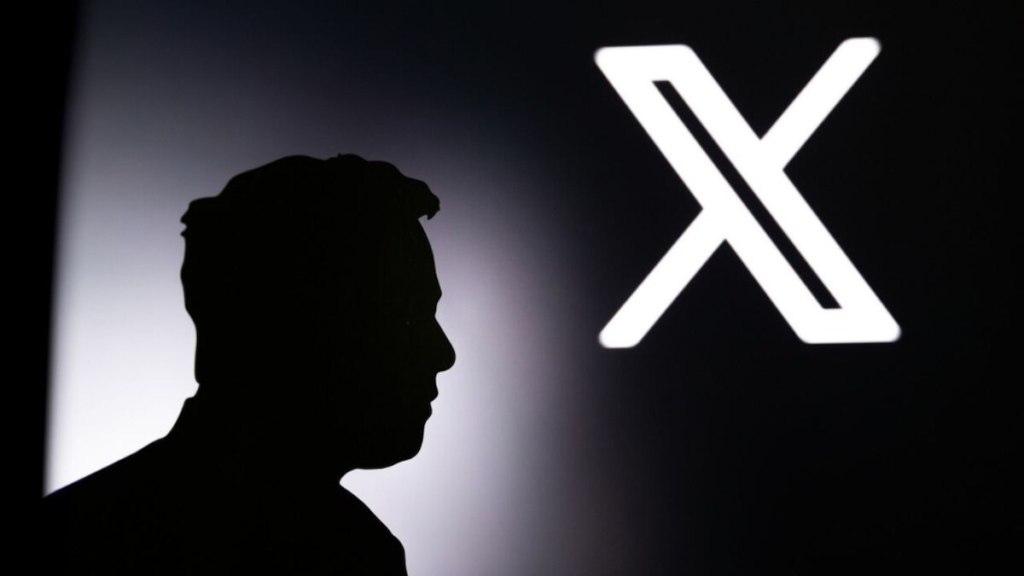
In April 2022, Elon Musk bought a major stake in Twitter, turned down a board seat, and offered $44 billion to take the company private. The deal nearly collapsed over his claims about bots and fake accounts, and it ended up in a Delaware court before closing in October 2022. Layoffs, executive exits and paid verification followed quickly. In 2023, the bird logo and the Twitter name were retired in favor of X.
Whether you love or hate the changes, nobody could say the platform stood still.
How X Makes Money Now
Advertising has long been X’s main income, and it took a hit when brands grew nervous about the platform’s direction. Estimates for 2025 put revenue near $7.9 billion, which suggests a partial recovery, though that figure is a projection rather than a confirmed result.
To lean less on ads, X has been pushing paid subscriptions, creator payouts and data licensing. Its leadership has also changed: Linda Yaccarino, named CEO in 2023, stepped down in 2025. X has since been folded into Musk’s AI company, xAI, which ties its future closely to artificial intelligence.
What Makes It Work
X’s strength has never been size. Rivals like Instagram and Facebook are far bigger. What X offers is immediacy. When something happens, whether an election result, a match or a product launch, people go there to watch the reaction unfold. For brands, that means a chance to join a live conversation instead of broadcasting into silence.
The Challenges Ahead
The doubts haven’t gone away. Threads and Bluesky compete for the same audience, and some users complain that the feed feels noisier and less trustworthy than before. Advertisers still weigh brand safety carefully, and the “everything app” dream of messaging, payments, news and AI in one place remains more promise than product.
Final Thoughts
X’s story isn’t a simple success. It’s a high-stakes reinvention, part gamble and part genuine innovation. Its fate in 2026 and beyond will depend on a hard balance: keeping users engaged, keeping advertisers comfortable, and proving the “everything app” can be more than a slogan.
About the Author