Don’t those trendy black hexagon goggles look extremely smart! But wait! Can you also wear them during your inspections at a construction site? No? We’ll explain why they can’t replace safety goggles, backed by technical reasons in this write-up!
What Are Safety Goggles and Safety Spectacles
Though the terms safety goggles and safety spectacles are used interchangeably in marketing eye protection equipment, they differ in design, construction, and use.
1. Safety Goggles
Safety goggles are protective goggles with wide coverage over the eyes and fit more closely around the eyes. Some safety goggles also come with a ventilation system to avoid fogging during prolonged usage.
Industrial safety goggles, due to their wider coverage, are preferred in applications that expose you to harmful liquid splashes. Depending upon their certification variations, they can be used to protect eyes against-
- Harmful liquid splashes
- Dust and dirt
- Flying particles
- Impact hazards
2. Safety Spectacles
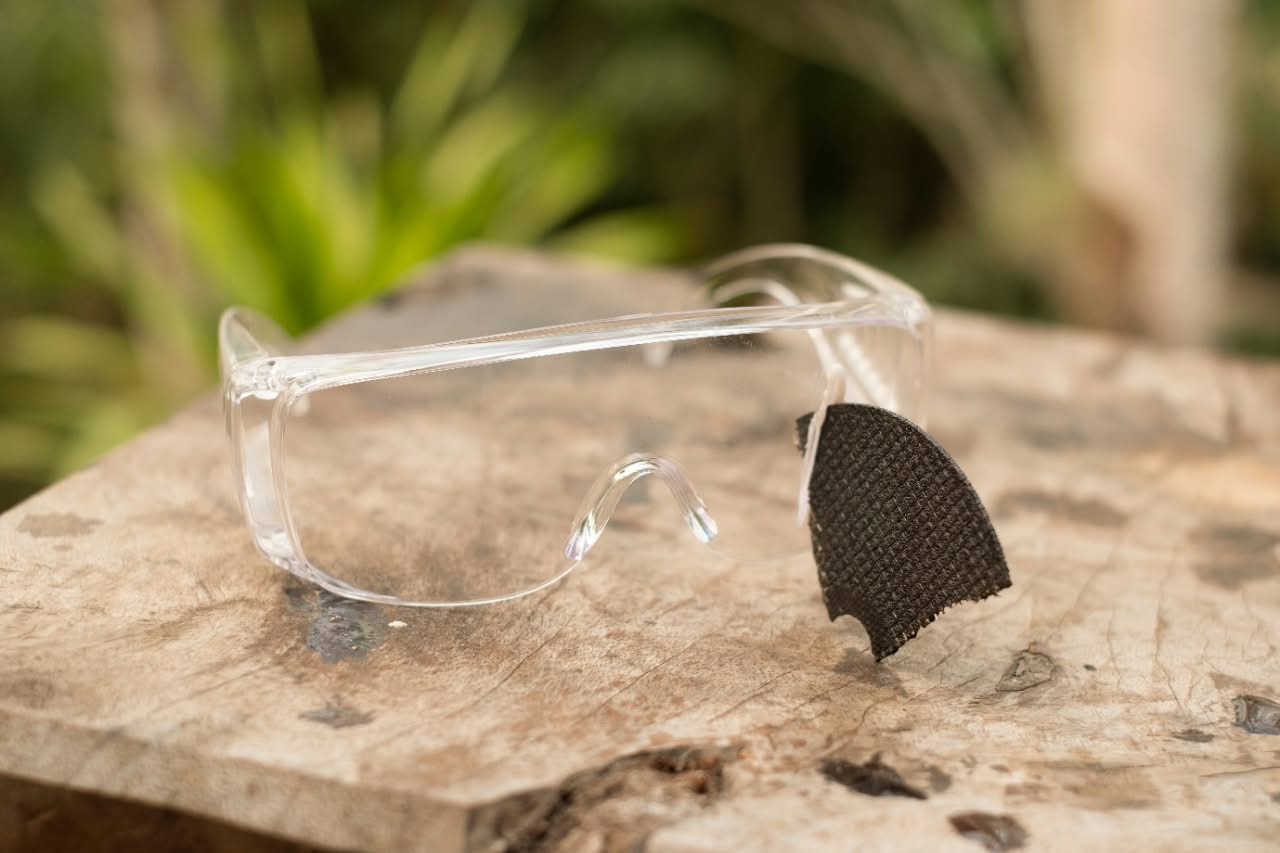
The eye protection spectacles, or safety spectacles look similar to regular glasses but differ in their capacities. The safety spectacles primarily cover the eyes and surrounding areas. Depending upon their certifications, they are used to protect eyes from-
- Dust and dirt
- Flying particles
- Impact of falling objects
Do Regular Goggles Provide Ample Eye Protection
No, not necessarily! Regular goggles or sunglasses are used for comfort, appearance and general use and may not be mandatorily tested for different safety aspects, but industrial safety spectacles and safety goggles are mandatorily required to be tested as per specified standards. If you are working in a hazardous working zone, for example, a high-rise construction site where falling debris is a hazard to eyes, you may not rely upon regular goggles, because that debris may still reach your eyes from side openings; the impact of falling debris may develop cracks on the lenses of your regular glasses; flying sharp, penetrating objects may break these glasses and so on. Let’s look at the key differences between regular goggles and PPE goggles/spectacles.
How Industrial Safety Goggles and Spectacles Differ from Regular Goggles
1. Optical Clarity and Clear Visibility are Two Different Things
Regular goggles may provide clear visibility but not true optical clarity. While working in industries, fogging, scratches, lighting tint, and reflection through goggles may cause hindrance in work to the worker and create an urge to remove the goggles. As soon as the worker removes the glasses, the worker is exposed to a hazard. Thus, safety spectacles and goggles are designed and tested to avoid such conditions, giving users optical clarity.
2. Safety Goggles are Tested for Impact Protection While Normal Goggles May Not
The regular goggles’ lens may not provide impact protection and can crack into small pieces. These small particles could enter the user’s eyes, causing eye injuries or loss of vision. On the other hand, safety spectacles and safety goggles provide complete frontal and lateral eye coverage. They are tested and certified to protect against impacts from flying objects.
3. Lens Coatings are More Oriented to Eye Protection
The hard coating provides lenses with durability and increased longevity. PPE goggles used in industries come with specific coatings for eye protection from hazards mentioned below-
3.1 UV protection
Excessive exposure to UV rays may be cancerous and raise conditions such as photokeratitis, cataract, and other long-term damage to eyes. The safety goggles and spectacles are specially designed to prevent UV rays from reaching your eyes.
3.2 Scratch- and fog-resistant
Exposure to dust and debris often scratches lenses in regular glasses, hindering visibility. Fogging can cause a similar issue. Industrial safety goggles and spectacles overcome these problems and generally come with a hard coating over the lenses that prevents the development of scratches and fogging and helps provide optical clarity.
4. Hazard Specific Design
Often, workers operate in critical environments such as welding zones and R&D labs with hazardous chemicals that require specialised lenses, better construction, and hazard-specific design. Regular goggles don’t provide such extended safety parameters for eye protection in industrial work areas and thus shouldn’t be used in hazardous industries. For example, unlike regular goggles, safety goggles and spectacles come in a wraparound design that seals your eyes efficiently, preventing dust and debris from reaching your eyes.
5. Fit and Seal Have an Important Role in Safety Spectacles/Goggles
Regular goggles focus on design and appeal, while safety spectacles and goggles focus on protecting eyes from harmful substances. Safety eyewear is designed to provide a snug fit, comfort, and a complete seal over the eyes to reduce the risk of accidents.
6. Industrial Safety Goggles Will Always Be Certified Under Recognised Standards
Regular goggles are used for recreation and appearance and do not necessarily need to meet safety standards. On the other hand, industrial work requires certified safety goggles and spectacles when working in hazardous conditions.
7. Typical Applications Differ for Both Types
As the name suggests, industrial safety goggles are used primarily for industrial applications, such as construction sites, metal manufacturing industries, welding sites, laboratories, and as safety glasses worn over prescription glasses. In contrast, regular goggles are more of a fashion accessory and can’t be compared with safety spectacles.
Understanding How Safety Goggles are Made for Industrial Use from KARAM Safety
KARAM Safety, one of the largest PPE manufacturers in India and Asia, suggests that any PPE selection, be it a safety goggle/spectacle or otherwise, first requires a hazard assessment. It is recommended not to choose your PPE without knowing the surroundings and all probable hazards that may occur at the work site. It further emphasises that safety without comfort makes no measurable difference. Many people in factories, laboratories, and construction sites work in critical conditions where even the outer weather is unfavourable to them; in these cases, an itching temple of safety spectacles or fogging in safety goggles will create distraction in work, and workers will ultimately remove their eye protection equipment. Thus, it is important to add ergonomics with safety equipment.
Bottomline
Before you believe that your stylish goggles are sufficient for the critical work applications and will prevent you from probable eye injuries, think twice about “ what if it cannot bear the impact of falling objects?”, “What if it couldn’t resist accidental liquid splashes?” or “Will your eyes recover after the cloud of dust/ small particles accidentally enters your eyes while visiting the site”? Indeed, you can’t avoid every hazard in advance, but what stops you from being prepared? Most eye injuries occur during regular work; thus, the right selection of safety eyewear may save you from critical injuries. Always choose your eye protection from manufacturers through in-house platforms like KARAM Safety Online that offer trusted and certified PPE equipment. Stay Safe! Stay Protected!
——————————————end of document—————————————–
About the Author