
The FIFA World Cup has always been about more than goals, trophies and famous celebrations. It is also about memory. Every edition leaves behind players, moments and stories that become part of football history. In 2026, FIFA has introduced a fresh way to honour that history on the pitch itself through a special Legacy Mark.
The FIFA World Cup 2026 Legacy Mark is a unique sleeve patch created to celebrate footballers who have shown rare longevity at the highest level. It is not for every star, every captain or every big-name player. It is reserved for a very small group of icons who have appeared across at least five different FIFA World Cup tournaments. “It’s a phenomenal effort to get to five World Cups in a sport where form, fitness and selection pressure can change quickly.
This makes the Legacy Mark more than just a design detail on a jersey. It becomes a visible symbol of endurance, consistency and greatness.
What Is the FIFA World Cup Legacy Mark?
The Legacy Mark is a special golden sleeve badge worn by selected players during the FIFA World Cup 2026. It is placed beneath the official tournament sleeve badge and is designed to stand out clearly on the kit. The patch includes the words “FIFA World Cup Legacy” along with a golden player silhouette.
What makes it more special is its personal touch. Each Legacy Mark is customised for the player wearing it. It can include the player’s name, national flag and silhouette details linked to that footballer’s identity. For example, Cristiano Ronaldo’s patch is designed with a silhouette inspired by his famous “SIUU” celebration, making the badge instantly connected to his global image.
This kind of detail turns the patch into a storytelling element. Fans are not just seeing a player in a national shirt. They are seeing a career being honoured in real time.
Why the Legacy Mark Matters?
Playing in one World Cup is a dream for most footballers. Playing in five or more is almost impossible. A player must stay fit, remain elite, survive generational changes and continue earning selection for nearly two decades. That demands discipline, hunger and mental strength.
The Legacy Mark recognises that journey. It says that these players are not only part of the current tournament but also part of the larger World Cup story. They have played through different eras, faced different rivals, adapted to tactical changes and carried national expectations year after year.
For fans, the mark adds emotional value. When supporters see Lionel Messi, Cristiano Ronaldo, Luka Modrić or other long-serving icons wearing it, they are reminded of the many World Cup memories attached to those names. The badge becomes a bridge between past and present.
The Elite Group of Legacy Players
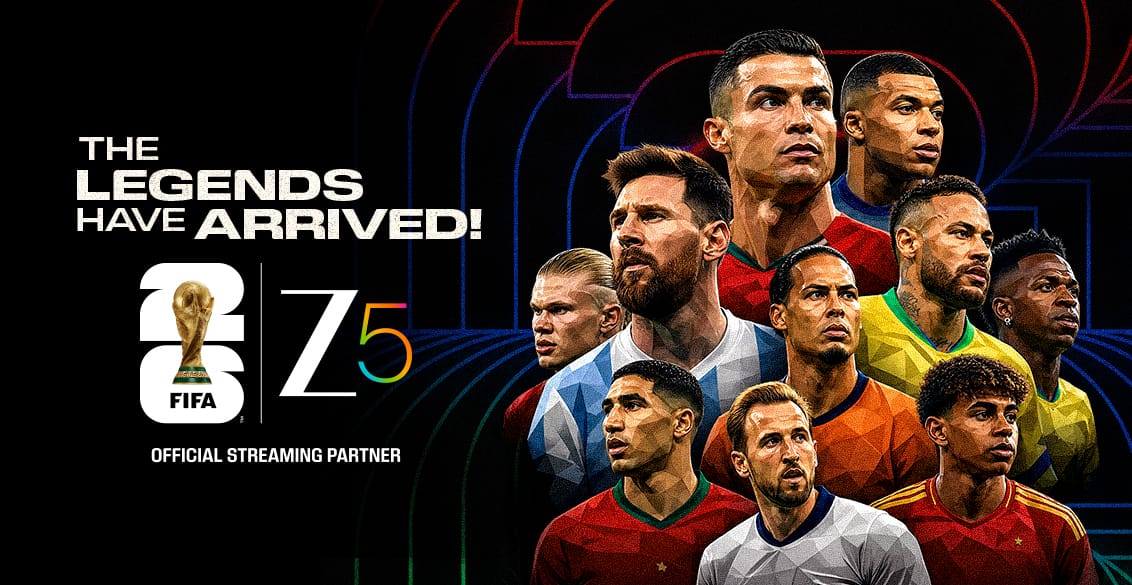
The 2026 edition features a highly exclusive group of players eligible for the Legacy Mark. Cristiano Ronaldo and Lionel Messi stand at the top of that list, with both making their sixth World Cup appearance. Their journeys began in 2006 and have continued across generations of football.
Luka Modrić, Manuel Neuer and Yuto Nagatomo also represent the spirit of the Legacy Mark. Each has played at the highest level for years and has remained important to their national team setup. Modrić’s control and intelligence, Neuer’s goalkeeping revolution and Nagatomo’s consistency for Japan all show different versions of football longevity.
The criteria also make the badge strict. It is not enough for a player to simply be named in a World Cup squad. To qualify, the player must have actually played minutes across the required tournaments. This prevents the honour from becoming symbolic only on paper. It is based on real participation on the field.
The Dual-Patch Story
One of the most interesting features of the 2026 patch system is that some players can wear more than one special badge. Along with the Legacy Mark, FIFA World Cup 2026 also includes other milestone patches such as the Debut Patch, Golden Ball Patch, Golden Boot Patch and Golden Gloves Patch.
This creates a rare “dual-patch” moment for a few players. Lionel Messi and Luka Modrić are among the standout names because they can wear the Legacy Mark along with the Golden Ball Patch. Messi has been recognised as one of the best players of previous FIFA World Cups, while Modrić won the Golden Ball in 2018 after leading Croatia to the final.
For these players, the patches tell two stories at once. One honours longevity. The other honours individual brilliance. Together, they make the shirt feel like a living record of World Cup history.
Manuel Neuer’s case also adds an interesting layer. As a past Golden Gloves winner, he was eligible for another special recognition. However, the focus around him remains strongly tied to his Legacy status, showing how powerful this badge has become in its own right.
A New Era of Football Collectibles
The Legacy Mark is also connected to the growing world of football memorabilia and trading cards. Through FIFA’s collaboration with Fanatics and Topps, these patches are expected to become part of premium collectible products. This gives fans another way to own a physical piece of World Cup history.
However, this has also created debate among traditional jersey collectors. Match-worn shirts are usually valued because they carry every detail from the game, including badges, names, numbers and marks from the pitch. If special patches are removed after matches and used in trading cards, some collectors feel the original jersey loses part of its historical identity.
This debate shows how powerful the Legacy Mark already is. It is not just decoration. It has become part of the commercial, emotional and collectible value of the tournament.
More Than a Badge
The FIFA World Cup 2026 Legacy Mark gives football a new way to honour greatness while players are still competing. It celebrates those rare footballers who have lasted across eras and remained relevant on the sport’s biggest stage.
In a tournament filled with young debutants, rising stars and future legends, the Legacy Mark reminds fans to appreciate the icons who have carried football for years. More than trophies, saves and goals in their careers they are measured in time, resilience and unforgettable World Cup chapters.
Which is why this tiny golden patch carries such enormous significance. It is a badge of honour, a marker of history, a tribute to footballers whose names will be linked with the FIFA World Cup Trophy forever after the final whistle.
About the Author